Published on February 16, 2026
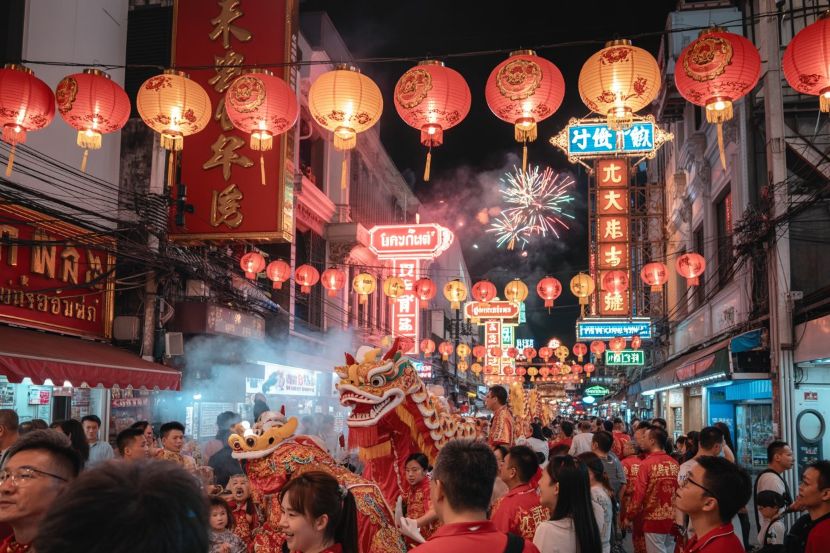
Image generated with Ai
Thailand welcomed the Chinese New Year 2026 celebrations with enthusiasm and pride as the nation hosted one of the most vibrant cultural events of the year. The Amazing Thailand Happy Chinese New Year Festival served as a remarkable opportunity to showcase Thailand’s rich cultural heritage while promoting the country as a top destination for global travelers. With festivities taking place from 13 to 22 February, the celebrations were designed to attract visitors from both near and far, offering an experience that combined Thai and Chinese traditions, as well as boosting the tourism sector.
The festival celebrated the Year of the Horse with grandeur and excitement, marking not only the start of a new Chinese zodiac year but also the 51st anniversary of diplomatic relations between Thailand and China. This significant milestone underscored the strong cultural and tourism ties between the two countries and was central to the festival’s theme of “Ride the Fortune, Share the Future.” The Tourism Authority of Thailand (TAT) worked alongside local and national partners to ensure that the festivities would not only highlight the charm of Thai culture but also attract Chinese visitors, enhancing travel between both nations.
Bangkok, the capital of Thailand, served as the epicenter of the celebrations, with the iconic Yaowarat Road (Chinatown) transforming into a vibrant spectacle of lights, music, and cultural performances. The area was adorned with traditional lanterns, dragon motifs, and displays reflecting the spirit of the New Year. From 7 February to 1 March, visitors could experience the best of Thai and Chinese culture, making it an unmissable event for tourists and locals alike. The lights illuminated Bangkok’s skyline, creating an energetic and festive atmosphere that drew in crowds, eager to partake in the celebrations.
Throughout the city, Siam Paragon became the festival’s cultural hub, hosting an array of activities, including traditional Chinese performances, cooking demonstrations, and calligraphy workshops. These events gave both international tourists and locals a unique chance to experience firsthand the artistry and cultural depth that defines Chinese New Year celebrations. The festival was not only about entertainment but also about fostering cultural understanding, making it a prime draw for tourists keen on immersive experiences.
Advertisement
Advertisement
In Hat Yai, the festival took on a southern flair, with the streets of this vibrant city coming alive with festivities from 17 to 20 February. As a region known for its Chinese‑Thai heritage, Hat Yai showcased traditional lion dances and cultural performances, which highlighted the enduring influence of Chinese culture in southern Thailand. The festival’s expansion into regions like Hat Yai made the event more accessible to a broader audience, enhancing the tourism appeal beyond just the capital.
The festival was a testament to the increasing importance of regional tourism in Thailand, where smaller towns and provinces played an integral part in the celebrations. In Nakhon Sawan, the Chao Pho-Chao Mae Pak Nam Pho procession attracted domestic tourists, while Suphan Buri hosted the 18 Years of the Heavenly Dragon Festival, adding another layer of cultural richness to the nationwide celebrations. These events reflected the deep cultural and religious ties that shape Thai society and offered visitors an authentic glimpse into the heart of the country’s traditions.
Advertisement
Advertisement
Beyond the festivities, the tourism benefits were significant. According to TAT’s projections, 1.25 million international visitors were expected during the festival period, alongside 2.3 million domestic trips. The influx of tourists contributed to Thailand’s economy, with tourism revenue forecasted to reach approximately 42.23 billion Baht. This economic impact highlights how important cultural events like the Chinese New Year festival are in driving travel to the country.
The TAT’s promotional campaign, titled “China and Thailand Are One Family,” was instrumental in attracting Chinese tourists, with packages, discounts, and travel offers tailored specifically for this market. The collaboration with Thai Airways and local travel agencies helped boost Thailand’s visibility as a sought‑after destination during the Chinese New Year period, ensuring that both short‑term and long‑term tourism growth remained a priority.
Advertisement
Advertisement
By strategically positioning the Chinese New Year festival as a key event on Thailand’s tourism calendar, the country successfully merged cultural celebration with economic impact. The event also helped strengthen Thailand’s reputation as a premier destination for cultural tourism in Southeast Asia, encouraging travel that would sustain the industry for years to come.
As the festival came to a close, the tourism sector saw its fruits. Visitors departed with a deeper connection to Thailand, appreciating its rich traditions and the warmth of its celebrations. The success of the Chinese New Year 2026 festival demonstrated the power of cultural events to drive tourism, and Thailand remains committed to expanding its tourism offerings, ensuring that future events continue to attract global travelers seeking unforgettable cultural experiences. The TAT’s strategic vision for such festivals guarantees that tourism in Thailand will continue to thrive well beyond the Lunar New Year period.
Advertisement
Tags: Amazing Thailand festival, Bangkok Chinese New Year, Hat Yai Chinese New Year, Thailand Chinese New Year 2026, Tourism in Thailand
















Monday, February 16, 2026

Monday, February 16, 2026

Monday, February 16, 2026

Monday, February 16, 2026

Monday, February 16, 2026

Monday, February 16, 2026

Monday, February 16, 2026

Monday, February 16, 2026