Published on February 28, 2026
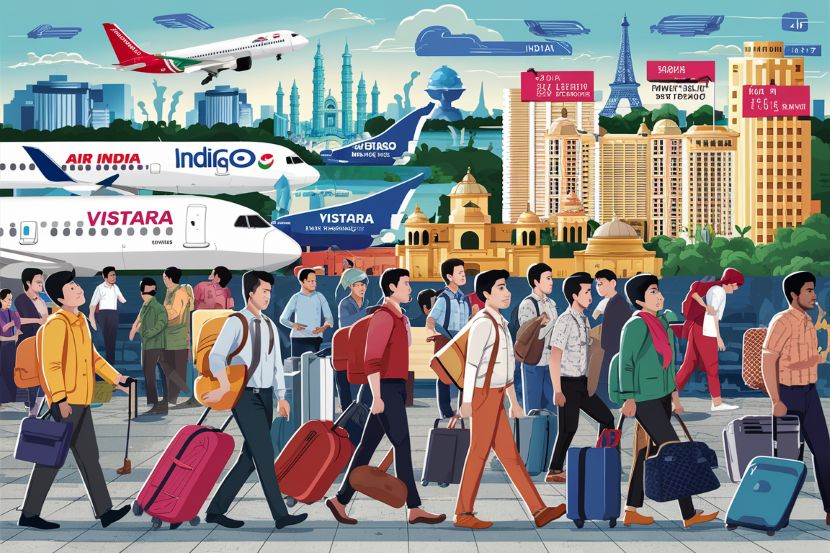
Image generated with Ai
India’s tourism landscape is undergoing significant changes in 2025, as diplomatic tensions with neighboring Bangladesh impact inbound travel, while Indian nationals flock to international destinations in record numbers. The travel and hospitality sectors are adjusting to a complex mix of factors that include rising domestic hotel costs, visa restrictions, and shifting travel preferences.
Recent data indicates a notable 9% dip in foreign tourist arrivals in India, with 2025 figures falling to 90.2 lakh. Among the most affected countries is Bangladesh, which traditionally ranks as one of the largest sources of tourists for India. However, following a diplomatic fallout and visa restrictions on both sides, the number of Bangladeshi visitors plummeted by a staggering 73% to just 470,000. This drop accounted for a significant portion of the overall decrease in tourist numbers. Despite the numbers, industry experts argue that this decline is less alarming when considering that many of these visitors were primarily in India for short-term work or medical purposes rather than leisure tourism.
While the inbound tourism sector faces these challenges, outbound travel from India has reached unprecedented heights. In 2025, Indian outbound travel surged by 6.6%, hitting a record of 3.3 crore trips. This sharp increase in international travel highlights a shift in Indian preferences, driven by a mix of affordable options abroad and increasing domestic travel costs.
Destinations like the United Arab Emirates, Sri Lanka, Thailand, Vietnam, and Malaysia have become attractive alternatives for Indian travelers. For instance, Goa and Kerala, once affordable and popular domestic holiday spots, are now seen as expensive options compared to many international locales. Comfortable hotel stays abroad, costing between Rs 5,000 and 8,000 per night, are now often cheaper than similar accommodations in India, where prices have been steadily climbing.
Advertisement
Advertisement
Hotel prices in India have been on the rise, particularly in popular tourist regions. The surge in domestic hotel tariffs is being attributed to several factors, including inflation and the increasing demand for both leisure and business travel. Goa, Kerala, and other domestic hotspots are facing significant challenges, with room rates often reaching Rs 10,000 or more per night, even in off-peak seasons. In contrast, travelers can find comparable accommodation abroad at significantly lower prices.
This price disparity has made international travel an increasingly attractive option for many Indian middle-class families. As Indian airlines expand their international routes, travel agents note that many of their customers now find it easier and cheaper to travel to places like Dubai, Kuala Lumpur, or Bangkok, where both flights and hotel stays can be more affordable than domestic alternatives.
Advertisement
Advertisement
Airlines in India have responded to the growing outbound travel demand by expanding their international networks. Major carriers such as Air India, IndiGo, Vistara, and SpiceJet have added more routes to destinations across the Middle East, Southeast Asia, and Europe. As Indian travelers increasingly look to escape the high costs at home, airlines are ramping up efforts to meet this demand by offering more competitive pricing and better connectivity to key global hubs.
At the same time, these airlines are also vying for a share of the international tourist market, catering to the growing number of foreign travelers coming to India for leisure, medical tourism, and business purposes. This shift in travel patterns underscores the changing dynamics in the aviation industry, where the focus is increasingly shifting towards meeting the needs of Indian outbound tourists.
Tips for Indian Travelers Looking to Go Abroad:
While outbound tourism is flourishing, India’s hospitality and tourism industry has not been left untouched. The drop in foreign arrivals has led many hoteliers and tourism operators to focus more on the domestic market. Strong demand in the luxury sector, particularly among business travelers, continues to keep hotels full, especially in metropolitan cities like Mumbai, Delhi, and Bengaluru.
Hoteliers remain optimistic, noting that the premium segment remains strong. Despite fewer international tourists, luxury properties are seeing continued interest from domestic visitors, especially those looking for a high-end experience in iconic locations such as the Taj Mahal, Jaipur, and the Kerala backwaters. The overall outlook for the Indian tourism industry remains positive, with local tourism expected to continue growing even as inbound numbers remain subdued.
As diplomatic tensions with Bangladesh and rising domestic travel costs continue to impact the inbound tourism sector, the outbound tourism boom shows no signs of slowing down. Airlines, travel agents, and hoteliers are all adjusting to these changes, with international travel becoming more attractive than ever for middle-class Indians. While the country faces challenges on the inbound front, the shift in travel preferences towards international destinations reflects a broader trend towards globalization and growing mobility among Indian travelers.
As India navigates these shifting dynamics, travelers can look forward to more opportunities for international exploration at competitive prices. The future of Indian tourism is evolving, with outbound tourism playing a major role in shaping the industry’s next phase.
Advertisement
Tags: Bangladesh visa restrictions, Indian airlines international, outbound travel boom, outbound travel India, rising hotel prices India


















Saturday, February 28, 2026

Saturday, February 28, 2026

Saturday, February 28, 2026

Saturday, February 28, 2026

Saturday, February 28, 2026

Saturday, February 28, 2026

Saturday, February 28, 2026

Saturday, February 28, 2026