

Inferno on the Nile: Luxor‑Esna Cruise Ship Gutted by Blaze—Evacuation Mission Unfolds in Egypt

Published
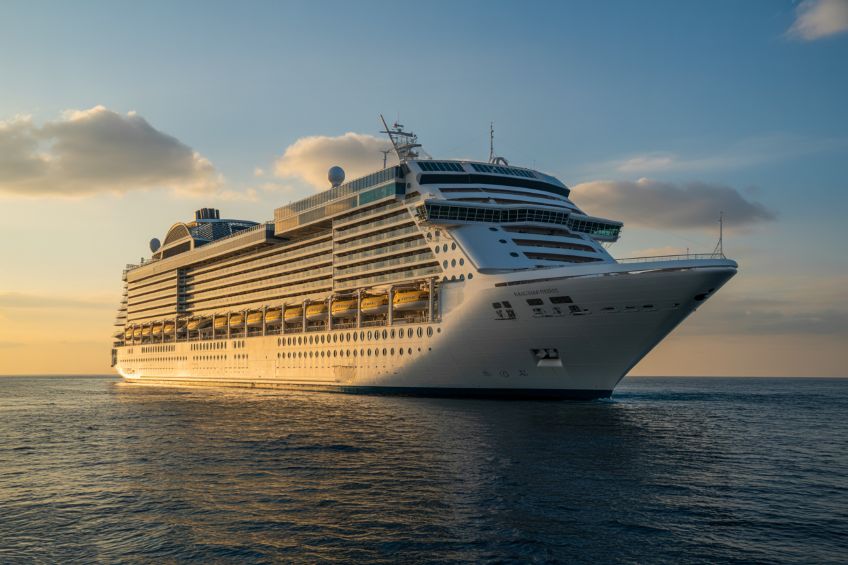 Image generated with Ai
A luxury cruise ship on the Nile River near Luxor was suddenly engulfed in fire on the evening of 28 October 2025 while carrying some 220 passengers. The blaze broke out just after departure on a multi‑day voyage and quickly spread through the vessel’s interior. The ship was diverted to an unofficial quay near Esna, where passengers were evacuated into rescue boats and transferred safely ashore.
Who was involved?
The vessel in question is identified as the Iberotel Crown Empress, a ship operating Nile cruises between Luxor and the southern governorate of Aswan. On board were approximately 220 people—many foreign tourists—plus the ship’s crew. Local Egyptian civil‑defence and maritime authorities responded, along with Good Samaritan boats that aided the evacuation.
Where did it occur?
The incident occurred on the Nile River’s stretch running south of Luxor, near the town of Esna in Upper Egypt. According to reports, the vessel was en route to Aswan when the fire erupted and forced the ship to dock unexpectedly at a non‑standard berth near Waborat Al‑Mata’na in Esna.
When did the blaze break out?
The fire began around 18:15 local time on Tuesday, 28 October 2025, at a point early in the cruise itinerary. The ship had departed from Luxor on a 12‑day journey and was only on its initial segment when disaster struck.
Advertisement
Advertisement
Why did the fire start?
Preliminary investigations by local authorities point to an electrical short circuit, believed to have originated in the galley or bar area of the vessel. The fire then spread rapidly through the lower decks before the vessel was brought under control.
How were passengers rescued?
With flames engulfing the first deck and access via standard gangways blocked, the evacuation involved upper‑deck exits and help from nearby boats that approached the burning vessel. The crew ushered all 220 passengers into rescue craft or onto adjacent ships, with no reported fatalities or serious injuries. Three crew members were treated for non‑life‑threatening injuries.
Advertisement
Advertisement
The immediate fallout
The evacuation operation was swift, despite the dramatic visuals of the ship alight on the water. Tourism‑official sources say all passengers were safely disembarked with zero tourist casualties reported. The vessel, however, appears to have been severely damaged, likely ruled out of immediate service.
Egypt’s security and maritime authorities have launched a formal probe, with the Public Prosecution Office in Luxor involved in investigating the vessel’s safety protocols and compliance status.
Advertisement
Advertisement
Implications for tourism and transport safety
This incident places fresh scrutiny on the safety standards of Nile‑cruise operations, a vital component of Egypt’s tourism economy. With more than 300 cruise vessels plying the Nile, incidents such as this threaten both traveller confidence and the country’s reputation as a cultural‑heritage destination.
Authorities may now face increased pressure to enforce stricter safety inspections, crew training protocols, fire‑suppression equipment checks and evacuation readiness for all inland‑water tourist vessels.
Looking ahead
Travel operators and excursion companies will be monitoring how Egypt’s regulatory agencies respond and whether insurance premiums or safety certifications for Nile cruises rise in the short term. For tourists planning a Nile‑route journey, checking the vessel’s safety record, operator reputation and emergency procedures may become part of the routine travel checklist.
Final word
What was meant to be a serene luxury cruise along Egypt’s iconic Nile turned into a high‑stakes evacuation scene, proving yet again that even trusted travel corridors can harbour hidden risk. For the moment, though shaken, the 220 passengers escaped with their lives—an outcome that prevented what could have been a calamity. Yet, this fire may mark a turning point in how cruise‑ship safety is enforced on Egypt’s inland waters.
Advertisement
