
Italy, Greece, Austria, Ecuador, Thailand, Malaysia, Indonesia, Japan, South Korea, Spain, France, Peru, and Hawaii Face New Travel Chaos in 2025

Published
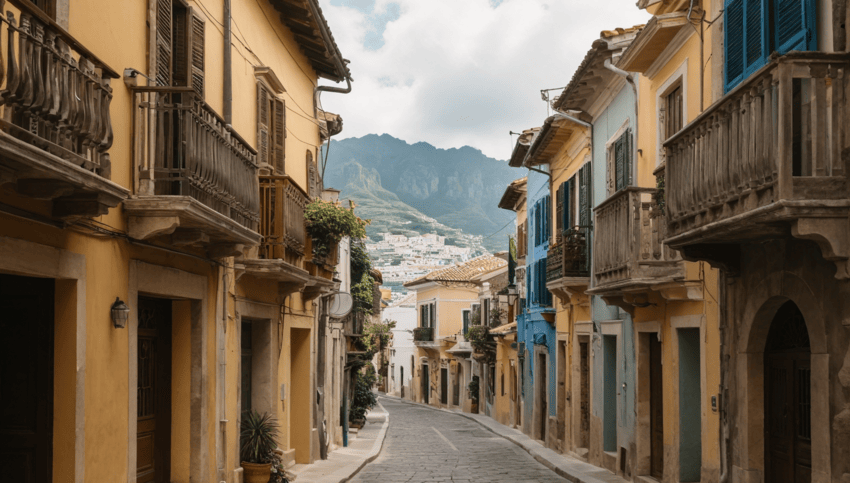 Image generated with Ai
As the world grapples with overtourism, 35 global destinations have announced measures to address the issue, with significant implications for UK travelers planning holidays in 2025. Italy, Greece, Austria, Ecuador, Thailand, Malaysia, Indonesia, Japan, South Korea, Spain, France, Peru, and Hawaii face new restrictions in 2025. Destinations ranging from Italy and Greece to Peru and Hawaii are implementing visitor caps, increased taxes, and stricter regulations to preserve their cultural and natural heritage. The steps highlight the growing tension between tourism’s economic benefits and its environmental and societal costs.
Rising Concern Over Overtourism
Reports from organizations such as UNESCO and Fodor’s “No Travel List” have flagged several tourist hotspots as being at risk from excessive visitation. Popular cultural and natural destinations are particularly affected, with local communities and ecosystems struggling to handle the influx.
Eva Satkute Stewart, YouGov’s global head of travel and tourism, observed that the issue is most acute in European cities, where mass tourism has become a persistent challenge. A YouGov survey revealed widespread public sympathy for residents of overburdened tourist areas, fueling support for measures aimed at limiting visitor numbers.
Notable Crackdowns by Country
Italy
Some of the most famous tourist spots in Italy are introducing sweeping changes. Venice, for instance, will require day-trippers to pay a €5 fee starting in spring 2025, along with new limits on tour group sizes and a ban on cruise ships entering the historic center. Similarly, Portofino will fine tourists up to €275 for creating congestion in popular selfie spots, while Sardinia is enforcing beach bans to protect fragile ecosystems.
Advertisement
Advertisement
Rome is addressing overtourism with fines for behaviors like leaving “love padlocks” or eating messy food near landmarks. Florence has introduced restrictions on short-term rentals, while Trentino Alto Adige mandates pre-registration for specific attractions.
Greece
Athens has capped daily visitors to the Acropolis at 20,000. Meanwhile, Santorini and Mykonos are limiting cruise ship arrivals and imposing a €20 levy during peak seasons. Former Santorini mayor Nikos Zorzos has emphasized the need for urgent action, warning that unchecked tourism risks destroying the very landscape that draws visitors.
Advertisement
Advertisement
Hallstatt, Austria
This picturesque village has installed physical barriers and tourist caps to manage the large crowds drawn by its scenic beauty.
Asia-Pacific Region
In Thailand, Maya Beach now has time-limited visits and a swimming ban to protect its coral reefs. Bali has introduced a $10 tourist tax, while Bhutan requires visitors to pay a $100 Sustainable Development Fee per day, encouraging “high value, low impact” tourism.
The Galápagos Islands in Ecuador have increased entry taxes and implemented stricter ecological protections. Similarly, Boracay in the Philippines is limiting visitor numbers after reopening post-closure for ecosystem recovery.
European Responses to Overtourism
Spain
A YouGov survey revealed that a third of Spanish residents believe their local areas are overrun with international visitors. Cities like Barcelona have increased tourist taxes and restricted cruise ship arrivals, while Mallorca and Menorca have implemented limits on visiting hours. Anti-tourism protests in Ibiza have prompted stricter cruise ship regulations.
France
Marseille has introduced innovative measures to reduce short-term holiday rentals. Mayor Benoît Payan has proposed requiring Airbnb hosts to purchase an additional property and rent it to long-term tenants.
Portugal
In Sintra, local residents are urging the council to address traffic and disrespectful behavior from tourists, with some describing the area as a “congested amusement park.”
Advertisement
Advertisement
Prague, Czech Republic
The city is cracking down on stag and hen party groups, proposing a ban on outrageous costumes and organized pub crawls between 10 PM and 6 AM to curb nightlife disturbances.
Americas and Oceania
Hawaii
O’ahu is considering a $25 “green fee”, requiring tourists to contribute to environmental sustainability. Hawaii receives nearly 10 million visitors annually, compared to its population of just 1.4 million.
Peru
Machu Picchu has introduced time-limited tickets and mandatory tour guides to manage footfall, preserving its archaeological significance.
French Polynesia
The region is capping annual visitor numbers and prioritizing local cruise lines to reduce the environmental footprint.
Implications for Travelers
For UK tourists, these restrictions mean careful planning and increased costs when visiting popular destinations. While the measures aim to preserve cultural heritage and protect fragile ecosystems, they also encourage travelers to adopt more sustainable habits.
Key impacts include:
Advertisement
Advertisement
- Higher Costs: Increased entry fees and tourist taxes will make certain destinations more expensive.
- Pre-Booking Requirements: Caps and pre-registration mandates necessitate early travel planning.
- Limited Access: Popular attractions may be harder to visit due to time restrictions and reduced visitor capacity.
Global Effects on Tourism
The crackdown on overtourism reflects a broader trend toward sustainable travel. For the global tourism industry, these changes signal a shift in priorities, emphasizing quality over quantity. Destinations are moving away from mass tourism models, focusing instead on preserving their cultural and environmental resources.
For travelers, this transformation presents an opportunity to explore less-crowded, off-the-beaten-path destinations. While it may alter the traditional travel experience, it also fosters a deeper connection with the places visited and encourages more responsible tourism practices.
Preparing for 2025 Travel
To navigate these changes effectively, travelers should:
- Research Destination Policies: Understand restrictions, fees, and visitor caps before planning trips.
- Book Early: Secure accommodations and attraction tickets well in advance.
- Embrace Off-Season Travel: Visit popular destinations during non-peak periods to avoid congestion and enjoy a more authentic experience.
With destinations prioritizing sustainability and quality experiences, the landscape of international tourism in 2025 is set to evolve, challenging both travelers and the industry to adapt to a new era of responsible travel.
Advertisement
