
Azerbaijan Airlines Unveils Major Central Asia Growth Drive As Baku Emerges As Eurasia’s Next Transit Powerhouse

Published
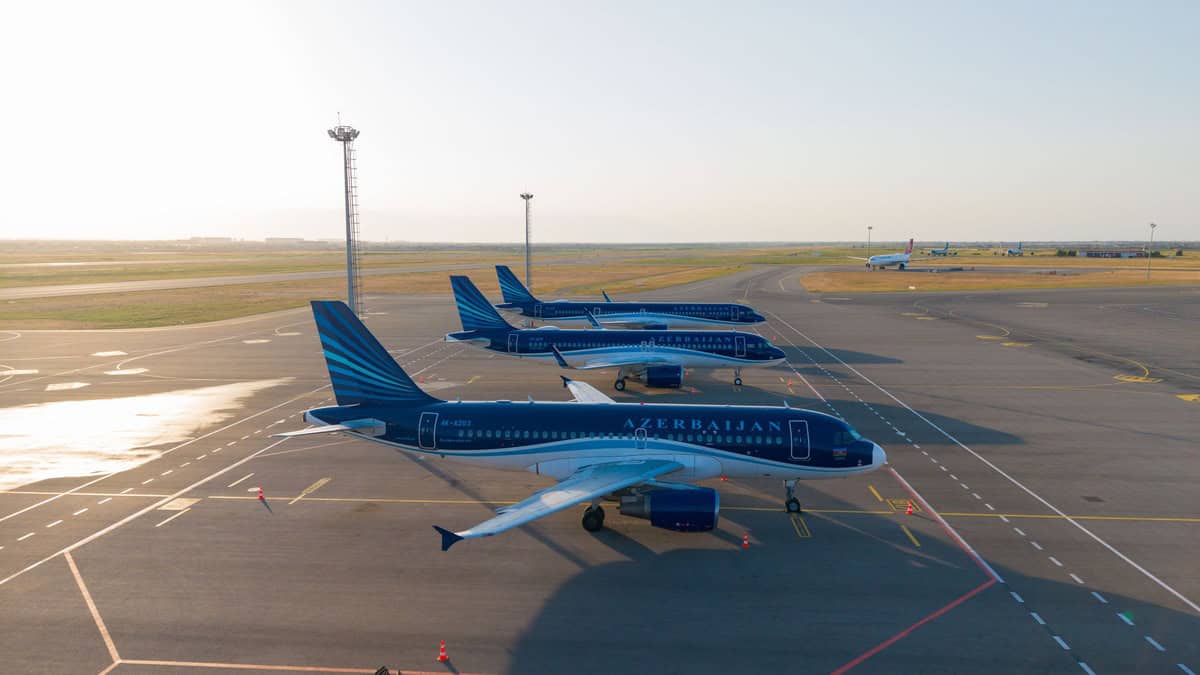
Azerbaijan Airlines (AZAL) is thickening its web in Central Asia, launching new Kazakhstani routes out of Baku in 2026. This and other new routes provide greater air connectivity out of Heydar Aliyev International Airport, helping the air hub’s efforts to connect Central Asia, Europe and the Middle East. AZAL’s services between Baku and Central Asia have transported 400,000 passengers this year, a 35% annual increase. Every year thousands of passengers transit through Baku to connect to other international flights.
Azerbaijan’s Air Corridor policy, intended to facilitate air connectivity between Central Asia, Azerbaijan and the rest of the world, is paying off. The Air Corridor policy has been instrumental in the development of an emerging East-West air bridge through Baku. The policy is providing new market access to tourists, business travelers and other passengers in and out of the Caspian region. Azerbaijan’s flag carrier is strategically placing Baku as a key hub for transit passengers traveling to and from Europe and the Middle East. The Air Corridor Policy is opening up new emerging markets to AZAL and other carriers.
Advertisement
Advertisement
AZAL Creates Wider Aviation Links Across Four Central Asian Countries
Azerbaijan Airlines has developed one of the most extensive regional networks connecting Baku with Central Asia. The carrier now operates 48 weekly flights across 10 destinations in four Central Asian countries, including Kazakhstan, Uzbekistan, Kyrgyzstan and Tajikistan.
The expansion has been particularly visible in Kazakhstan, where AZAL has introduced three new destinations within a three-month period. The addition of Shymkent, Atyrau and Aktobe has strengthened the airline’s presence in one of Central Asia’s largest aviation markets. Kazakhstan currently represents the largest share of AZAL’s Central Asian operations, with 31 weekly flights connecting Baku with six cities.
Advertisement
Advertisement
| Country | Destination | Weekly Frequency | Importance |
|---|---|---|---|
| Kazakhstan | Almaty | 7 flights | Major commercial and business route |
| Kazakhstan | Astana | 7 flights | Capital city connection |
| Kazakhstan | Aktau | 7 flights | Caspian regional link |
| Kazakhstan | Atyrau | 4 flights | Energy and business corridor |
| Kazakhstan | Shymkent | 3 flights | Southern Kazakhstan gateway |
| Kazakhstan | Aktobe | 3 flights | Industrial and regional centre |
| Uzbekistan | Tashkent | 7 flights | Main bilateral route |
| Uzbekistan | Samarkand | 2 flights | Tourism and cultural connection |
| Kyrgyzstan | Bishkek | 4 flights | Capital connectivity |
| Tajikistan | Dushanbe | 4 flights | Capital connectivity |
The introduction of services to secondary cities demonstrates AZAL’s focus on expanding beyond traditional capital-to-capital aviation links. These routes provide direct access to important economic centres while creating new opportunities for international tourism flows.
Kazakhstan Expansion Opens New Tourism And Business Opportunities
Kazakhstan has become a central pillar of AZAL’s regional growth strategy. The airline’s new routes connect Baku with cities that have growing importance for tourism, industry and commerce. The Shymkent connection, launched in June 2026, provides additional access to southern Kazakhstan, a region known for cultural attractions, historical destinations and increasing domestic tourism demand.
Advertisement
Advertisement
The Atyrau route, introduced in August 2026, strengthens links with western Kazakhstan, a region closely associated with energy production and international business activity. The latest addition, Aktobe, launched in September 2026, expands AZAL’s reach into another major industrial area of Kazakhstan. Together, these routes create a broader regional aviation network that supports both leisure and corporate travel. They also provide international travellers with additional options to explore destinations across Azerbaijan and Central Asia through combined itineraries.
Baku Transit Traffic Highlights Growing Hub Ambitions
A key element of AZAL’s expansion is the development of Baku as a transfer hub rather than only a final destination. According to operational figures, 58,734 passengers travelling on Central Asian routes transited through Baku to continue their journeys to third countries, particularly destinations in Europe and the Middle East. This growing transit movement reflects the importance of Azerbaijan’s geographical position between major regions. Located along the Caspian corridor, Azerbaijan provides a natural connection between Central Asia, the South Caucasus and international markets.
Through its hub-and-spoke model, AZAL brings passengers from regional cities into Baku before connecting them with wider international services. This approach allows the airline to strengthen route performance, increase passenger volumes and expand its global network. The development of Baku as an aviation hub also supports Azerbaijan’s wider tourism ambitions by improving accessibility for international visitors.
AZAL Strengthens Competition In Eurasian Aviation Market
The growth of Azerbaijan Airlines comes during a period of changing aviation patterns across Eurasia. Passenger movements between Central Asia and international destinations are increasingly being supported by alternative transit points. Baku is emerging as one of the important connecting locations alongside established regional aviation hubs. The city’s location provides airlines and travellers with a strategic link between Asian markets and destinations in Europe and the Middle East.
By increasing frequencies and adding new destinations, AZAL is positioning itself to capture a larger share of regional passenger flows. The airline’s expanded network also supports the development of the Middle Corridor, a major transport route connecting China, Central Asia, the Caspian region, the South Caucasus and Europe. Improved air connectivity complements wider infrastructure development by making business and tourism travel between these regions more accessible.
Uzbekistan Partnership Improves Passenger Access Through Digital Integration
Alongside route expansion, AZAL has strengthened its commercial presence in Central Asia through digital partnerships. In Uzbekistan, the airline introduced cooperation with Uzum Bank to improve ticket purchasing options for local travellers. The partnership enables direct payment processing through Uzbekistan’s domestic card systems, including Humo and Uzcard, through AZAL’s booking platforms.
Advertisement
Advertisement
The initiative supports easier access to airline services and reflects the growing importance of local digital payment solutions in international travel. As competition increases across regional aviation markets, airlines are focusing not only on expanding routes but also on improving the overall booking experience for passengers.
Fleet Modernisation Supports Long-Term International Expansion
AZAL’s Central Asia growth is supported by its ongoing fleet renewal programme, which includes Airbus A320neo family aircraft and Boeing 787 Dreamliner aircraft. Modern aircraft provide greater operational flexibility, supporting both regional expansion and longer international routes.
The airline has outlined plans to increase its fleet size towards 50 aircraft by 2032, creating additional capacity for future network development. Fleet expansion is expected to play an important role in supporting AZAL’s long-term growth strategy. A larger and more efficient fleet allows the carrier to increase frequencies, introduce new routes and improve connectivity between regional markets.
Central Asia Connectivity Becomes Key Growth Driver For Azerbaijan Tourism
The recent focus of Azerbaijan Airlines (AZAL) on Central Asia demonstrates the rising air transit and transport needs of the region. Air connections with Kazakhstan and improved connections with Uzbekistan, as well as continued connections with Kyrgyzstan and Tajikistan, enable AZAL to provide greater options to and from Central Asia and beyond. Convenient air connections to Central Asia give travelers the opportunity to enjoy the region’s and Azerbaijan’s fascinating sites and attractions.
Improved connections with Central Asia also provides greater options between and beyond the Caspian Sea’s energy and trading nations, as well as bolsters Baku’s efforts to create an international energy and transport transit center. For AZAL, and Central Asia’s other airlines, the emphasis on the Caspian region and beyond gives the airlines the opportunity to provide international, regional and intercontinental routes and services.
Advertisement
