Published on February 23, 2026

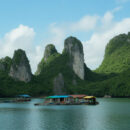
Image generated with Ai
Vietnam’s tourism industry is experiencing a remarkable surge, with countries like Japan, India, China, the United States, Russia, and South Korea driving double-digit growth across key destinations. This boost is primarily fueled by Vietnam’s growing reputation as a diverse and accessible travel destination, offering rich cultural experiences, affordable options, and improved infrastructure. As a result, the country is poised to capitalize on this momentum in 2026, transforming its tourism sector into a significant economic engine while reshaping regional travel dynamics.
Vietnam’s tourism industry is undergoing a remarkable transformation, driven by an unprecedented influx of international visitors. The country is reaping the benefits of strong global demand as major source markets—Japan, India, China, the United States, Russia, South Korea, and others—contribute significantly to its tourism recovery and growth. The surge in visitor numbers not only reflects a return to pre-pandemic levels but also signals Vietnam’s growing appeal as a global destination for leisure, cultural exploration, and adventure tourism.
Vietnam kicked off 2026 with a bang, achieving double-digit growth in tourism during the nine-day Tet holiday, which took place from February 14 to 22, 2026. The country welcomed an estimated 14 million visitors, a 12% increase from the previous year, according to official figures from the Vietnam National Authority of Tourism (VNAT). The surge in arrivals highlights the country’s continued recovery from the pandemic and the growing confidence in its tourism sector.
The success of Tet 2026 can be attributed to a number of factors, including favorable visa policies, well-targeted promotional campaigns, and the rise of Vietnam as a competitive global tourism player. This positive momentum sets the tone for the rest of the year, with a focus on meeting Vietnam’s ambitious target of 25 million international visitors by the end of 2026.
Advertisement
While Vietnam’s tourism industry has witnessed a broad recovery, certain countries have played a pivotal role in driving the surge in international arrivals. Let’s take a deeper look at how Japan, India, China, the United States, Russia, South Korea, and other countries have helped shape the current tourism landscape in Vietnam.
One of the standout contributors to Vietnam’s tourism boom is Japan, which has steadily climbed the ranks as a top international source market. In 2025, 814,000 Japanese tourists visited Vietnam, marking a significant 14% increase over the previous year. This surge is fueled by the growing number of direct flight connections between Japan and Vietnam, as well as the country’s diverse tourism offerings, including cultural tourism, beach resorts, and nature retreats.Japanese tourists are particularly drawn to Vietnam’s traditional culture, ancient temples, and picturesque landscapes. Cities like Hanoi and Ho Chi Minh City are seeing a steady increase in the number of Japanese travelers, many of whom are visiting for business or cultural exploration. Moreover, Vietnam’s rising popularity as a wellness tourism destination for Japanese visitors is expected to continue to fuel growth in the coming years.
Advertisement
Advertisement
How Japan’s Influence is Shaping Vietnam’s Tourism Future
As the Japanese middle class increasingly seeks unique international travel experiences, Vietnam stands out for offering a perfect blend of affordable luxury, traditional charm, and modern appeal. The steady increase in Japanese arrivals highlights Vietnam’s expanding influence in the East Asian market.
In recent years, India has emerged as one of the fastest-growing markets for Vietnam’s tourism sector. With a 48.9% increase in visitors in 2025, India contributed 746,480 tourists to Vietnam, a sharp rise driven by the growing Indian middle class and the increasing demand for international travel. India’s diverse population, rising disposable incomes, and growing interest in cultural tourism make it a key market for Vietnam.
Indian travelers are increasingly seeking authentic experiences, with a focus on cultural immersion and heritage exploration. The demand for longer stays, family vacations, and personalized tours has grown significantly, with destinations like Phu Quoc, Da Nang, and Hanoi becoming key hotspots for Indian tourists. The affordability and ease of travel make Vietnam an attractive option for Indian families, millennials, and solo travelers alike.
How India’s Expanding Travel Demand Is Changing Vietnam’s Tourism Landscape
India’s growing interest in Vietnam represents a shift in travel trends, with more Indian tourists seeking in-depth experiences in historical and cultural sites. Vietnam’s expanding flight connectivity with India and continued promotion of Indian-friendly packages are expected to boost visitor numbers in the coming years.
China remains Vietnam’s largest source market, with over 5.28 million Chinese tourists visiting the country in 2025, marking a 41.3% growth. The proximity between China and Vietnam, coupled with a growing number of direct flights, makes Vietnam a top destination for Chinese travelers, who flock to the country for both business and leisure tourism.
Chinese tourists are drawn to Vietnam’s affordable prices, natural beauty, and cultural offerings. Top destinations such as Ha Long Bay, Hanoi, and Ho Chi Minh City remain the favorites among Chinese travelers. In recent years, Vietnam has also seen a rise in the number of Chinese visitors seeking cultural exchanges and historical tourism, marking a shift in travel preferences.
How China’s Influence on Vietnam Tourism Continues to Strengthen
With China’s massive outbound tourism market showing no signs of slowing down, Vietnam stands to continue benefiting from its close geographical ties and growing bilateral tourism cooperation.
While China, Japan, and India remain dominant contributors to Vietnam’s tourism, the United States has emerged as a crucial long-haul market. In 2025, the U.S. contributed 849,000 visitors to Vietnam. U.S. tourists typically favor destinations with rich history, cultural diversity, and natural beauty—all of which Vietnam offers in abundance.
U.S. travelers often seek out luxury experiences, heritage sites, and eco-tourism, with top destinations including Hanoi, Hue, Sapa, and Ho Chi Minh City. High-end tourism products, extended stays, and personalized tours cater to the growing demand from U.S. tourists, who are increasingly traveling to Vietnam to experience authentic Vietnamese culture and enjoy a blend of beach and adventure tourism.
How the U.S. Market Shapes Vietnam’s Tourism Strategy
The growing affluence of U.S. travelers, paired with better air connectivity and targeted marketing efforts, has made the U.S. one of the most lucrative source markets for Vietnam. The high-value tourism from American visitors will continue to contribute significantly to Vietnam’s tourism revenue in the future.
Russia and European countries have seen a remarkable increase in tourism to Vietnam. Russian arrivals, in particular, soared by nearly 200% in 2025, with over 100,000 Russians visiting Vietnam. European countries such as Germany, France, and the UK have also experienced strong growth, with 424,000 visitors from the region.
European tourists are drawn to Vietnam for its unique cultural offerings, beach destinations, and affordable luxury. These visitors tend to stay longer and contribute to higher per-trip spending, making them key drivers of Vietnam’s tourism revenue.
How Russia and Europe’s Contribution Is Reshaping Vietnam’s Tourism Growth
As these markets continue to grow, Vietnam’s tourism product diversification is helping to appeal to the needs of long-haul travelers, making it a top choice for European and Russian visitors seeking both adventure and relaxation.
South Korea has consistently contributed to Vietnam’s tourism growth, with 4.33 million visitors in 2025. South Korean tourists have been visiting Vietnam for years, particularly for beach vacations, shopping trips, and nature explorations. The growing number of direct flights between Seoul and Vietnam has made it easier for South Korean travelers to explore Vietnam’s urban offerings and cultural sites.
How South Korea’s Influence on Vietnam Tourism Continues to Expand
South Korea’s rising outbound tourism market and increased interest in cultural experiences and family-oriented travel ensure that Vietnam remains a top destination for South Korean travelers. The country is poised to continue seeing growth from this important regional market.
The influx of international visitors from Japan, India, China, the United States, Russia, South Korea, and other countries has significantly boosted Vietnam’s tourism industry, bringing both increased volume and higher-value tourism. As the country continues to build on its competitive strengths, Vietnam is positioned to become an even more influential player in the global tourism market.
By attracting a diverse range of tourists from various regions, Vietnam is shaping a future where tourism recovery and economic growth go hand-in-hand. The evolving travel behaviors, increased international connectivity, and focus on personalized, authentic experiences will continue to attract visitors from all corners of the world, making Vietnam a top destination for years to come.
How This Growth Will Strengthen Vietnam’s Global Tourism Presence
With strategic efforts to diversify and expand its tourism offerings, Vietnam’s competitive edge will only grow. As international arrivals increase, tourism revenue will contribute more to the economy, ensuring a sustainable and resilient tourism sector for the future.
Vietnam’s tourism is booming, driven by countries like Japan, India, China, the U.S., and Russia, thanks to its cultural appeal, affordability, and improved connectivity. This surge is set to reshape the country’s tourism landscape and economic prospects by 2026.
This in-depth exploration of Vietnam’s tourism growth highlights the significant role of various global markets, each contributing to the country’s tourism surge in 2026 and beyond. With Japan, India, China, South Korea, and other countries boosting Vietnam’s tourism numbers, the future looks brighter than ever for this rapidly evolving market.
Advertisement

















Monday, February 23, 2026

Monday, February 23, 2026
Monday, February 23, 2026

Monday, February 23, 2026

Monday, February 23, 2026

Monday, February 23, 2026

Monday, February 23, 2026

Monday, February 23, 2026


