Published on January 1, 2026
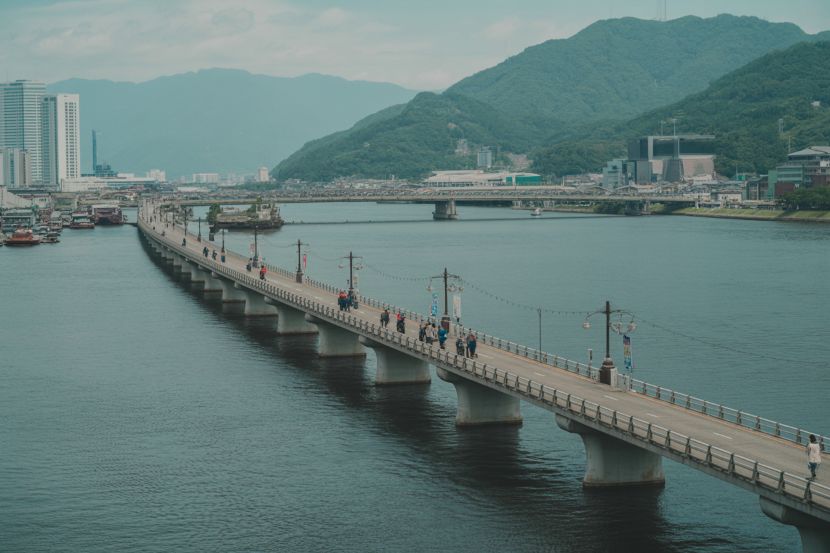
In an effort to improve border security, manage overtourism, and streamline visitor experiences, Japan has announced a significant shift in its tourism and security measures, following in the footsteps of other Asian countries like South Korea, Singapore, and Bhutan. Starting in 2026, travellers to these nations will face new regulations that will impact everything from taxes to border checks.
As international travel continues to surge in the post-pandemic era, these nations are introducing robust measures aimed at managing the growing influx of tourists, ensuring sustainability, and improving security protocols.
Advertisement
One of the most notable changes in Japan’s new tourism policies is the increase in departure taxes. Beginning in 2026, the country will triple its departure tax for all international travellers, rising from ¥1,000 to ¥3,000 per person. This new charge will apply to anyone leaving Japan by air or sea. According to government sources, the funds will be used to support regional infrastructure, improve tourism services, and manage the impacts of overtourism in popular destinations. Japan Tourism Agency has stated that the revenue will also go towards enhancing the overall visitor experience by improving multilingual signage, public transportation systems, and eco-friendly initiatives across the country.
While the increase may seem steep, the Japanese government argues that the added funds will help offset the economic burden placed on local communities by overcrowding. This tax will help finance programs aimed at distributing tourism more evenly across the country, especially to under-visited regions. It is expected that this initiative will help alleviate the pressure on heavily touristed areas such as Kyoto, Tokyo, and Osaka.
In addition to the new departure tax, Japan is also revamping its tax-free shopping system. Starting November 2026, Japan will phase out the immediate exemption system, requiring visitors to pay the Japanese consumption tax upfront and claim a refund at designated counters before departure.
This change is likely to affect many travellers who are accustomed to being able to make tax-free purchases on the spot. Under the new system, receipts will be required to process refunds, and refunds will be available only at designated locations within airports. Although the refund process may take longer, Japan’s Ministry of Finance has assured that the system will be more transparent and better for managing administrative overhead.
Advertisement
Japan is not the only country introducing new taxes to manage its tourism sector. Other countries in Asia, including South Korea, Singapore, and Bhutan, are also implementing similar measures to boost local revenue. For example, South Korea has introduced an updated digital entry system that aims to streamline border control and manage tourist flows more efficiently. These systems use biometric scanning and advanced data analytics to verify travellers’ identities and ensure public safety.
Similarly, Singapore is expanding its no-boarding policy, where travellers will be subject to even stricter pre-departure checks and screening. The government has emphasized that these changes are necessary to ensure both security and efficient immigration processing, which has become a priority as tourist numbers rise.
Bhutan continues to be a unique example in the region, maintaining its Sustainable Development Fee (SDF). The country’s approach to tourism has always been one of sustainability, limiting the number of visitors and requiring a daily fee that covers environmental and community initiatives. In 2026, Bhutan’s SDF will see an increase, in line with the country’s goal of balancing environmental conservation with economic growth from tourism. Bhutan’s government has stressed that the fee is necessary to preserve the country’s natural beauty and cultural heritage, making it one of the most eco-conscious tourist destinations globally.
For travellers, these regulatory shifts mean that planning a trip to Japan, South Korea, Singapore, or Bhutan in 2026 will require more time and preparation. From higher taxes on flights and accommodation to more rigorous border controls, visitors will need to be ready for more paperwork, longer processing times, and potentially higher costs.
These new regulations might seem like a hassle for travellers eager to visit these popular destinations, but they also reflect the need to manage the unprecedented rise in global travel. The pandemic and subsequent travel restrictions caused a huge backlog in tourism demand, and these measures are part of a broader effort to ensure that tourism remains manageable, sustainable, and beneficial for both visitors and host countries.
While it may take time for travellers to adjust to these new rules, there is also an opportunity to experience a more organised and secure travel environment in Asia’s top tourist destinations. In addition, the tax revenues generated will go toward improving infrastructure, which can benefit everyone in the long term, including local communities that rely on tourism for their livelihoods.
The travel landscape in Asia is evolving rapidly in response to both the opportunities and challenges presented by post-pandemic tourism. Countries like Japan, South Korea, Singapore, and Bhutan are leading the way with innovative solutions designed to balance the economic benefits of tourism with the need to preserve their cultural and environmental heritage.
While the new regulations might be viewed by some as a barrier to easy travel, they represent a thoughtful approach to managing the complex dynamics of modern tourism. By ensuring that tourism continues to benefit local communities and governments, these countries are setting a model for sustainable, secure, and responsible tourism in the years to come.
As we move into 2026, these major changes to Japan’s tourism and security measures—along with similar adjustments in South Korea, Singapore, and Bhutan—are a response to the evolving needs of both travellers and host countries. The rising costs and longer wait times may feel inconvenient at first, but these reforms are designed to ensure a more sustainable and secure future for global tourism. Travellers who are well-prepared for the new rules can continue to enjoy these extraordinary destinations while contributing to the long-term preservation and growth of their tourism industries.
For those planning a trip to these countries, it’s essential to stay informed and adjust your travel plans accordingly to ensure a smooth and hassle-free journey. After all, when you travel smartly, you travel responsibly.
Advertisement
Tags: Bhutan tourism tax, Japan departure tax, Japan security measures, overtourism management Asia, Singapore new regulations










Thursday, January 1, 2026

Thursday, January 1, 2026

Thursday, January 1, 2026

Thursday, January 1, 2026

Thursday, January 1, 2026

Thursday, January 1, 2026

Thursday, January 1, 2026
Thursday, January 1, 2026