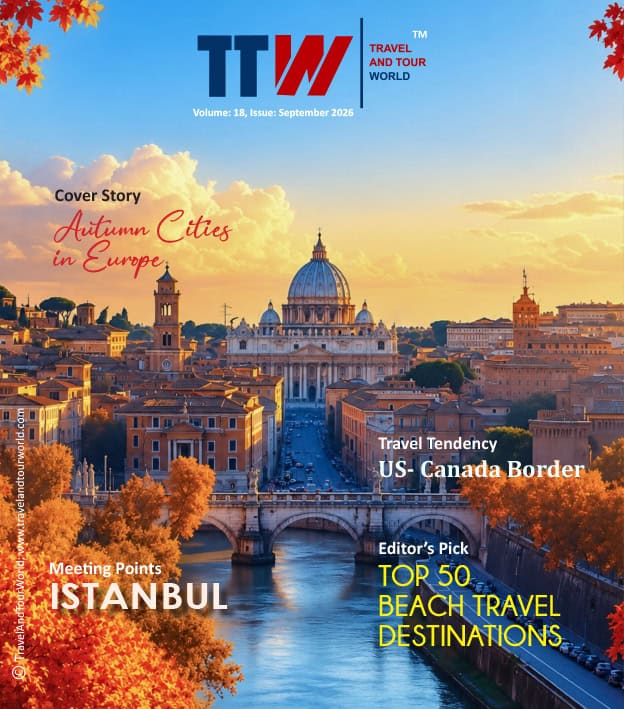
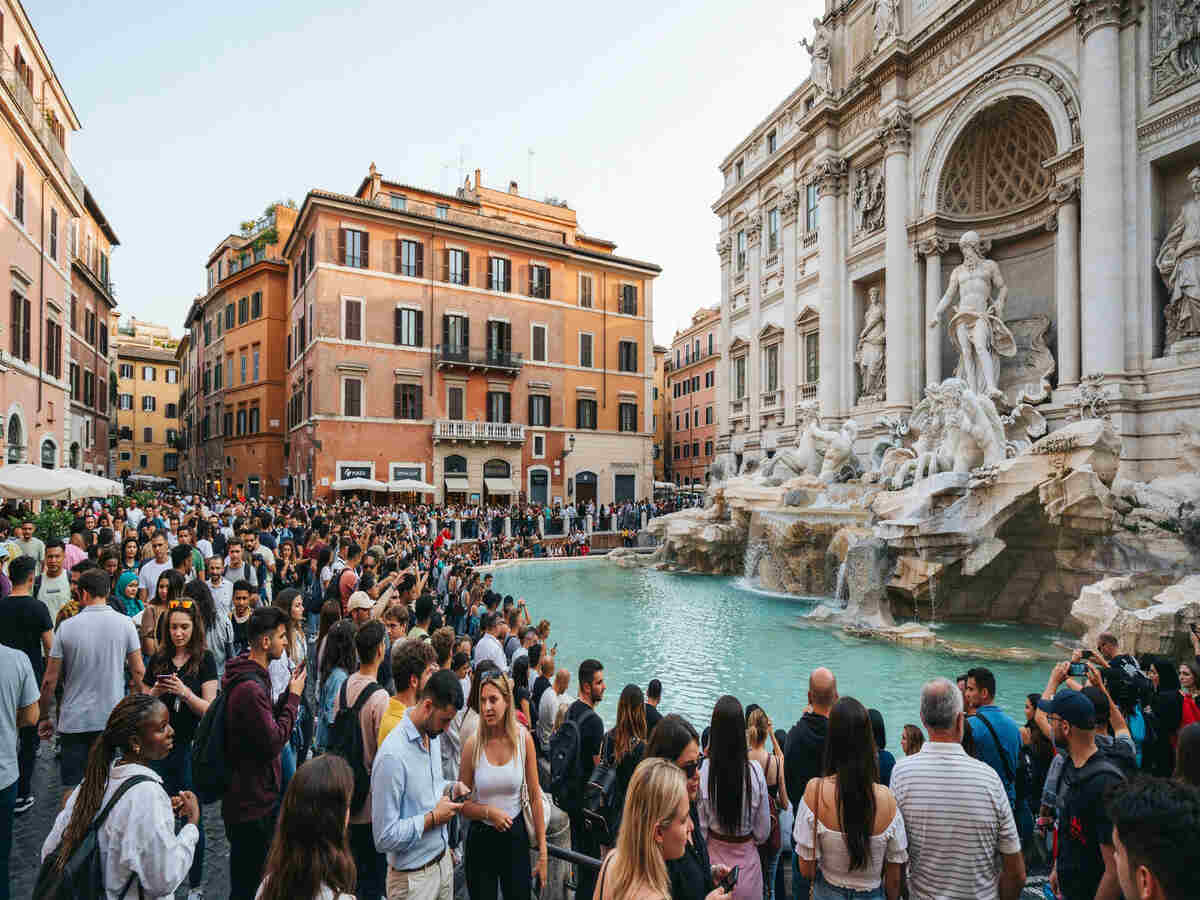
Image generated with Ai
Europe cracks down on Airbnb regulations as Slovenia, the Netherlands, among other nations, grapple with overtourism and preserve housing. Europe is poised to enter a whole new era of tourism regulation as Slovenia, the Netherlands, and a number of other nations implement stricter regulations for holiday rentals such as Airbnb, in order to curb overtourism, housing crises, and local community pressures. No longer are popular tourism destinations in Europe only concerned with drawing more tourists; rather, they have begun to enforce regulations that guarantee housing availability despite growth in tourism.
The European Commission has proposed a new framework that would give cities greater powers to restrict short-term rentals in areas facing housing pressure. The proposal aims to create a common approach across Europe, allowing authorities to introduce evidence-based limits where rising rents, housing shortages and tourist accommodation growth create problems.
From Slovenia’s emerging tourism hotspots to Amsterdam’s long-running Airbnb restrictions, European governments are increasingly taking action to reshape the future of holiday rentals.
For years, Europe has remained the world’s most visited tourism region, attracting millions of international travellers every year. However, the success of cities such as Barcelona, Venice, Lisbon, Amsterdam and Paris has created a new challenge.
Advertisement
Many local communities argue that the rapid expansion of short-term rentals has reduced the number of homes available for permanent residents. Properties once used for long-term housing have increasingly moved into the tourist accommodation market.
European authorities are now attempting to create a balance between tourism income and residential stability.
The latest EU proposal does not introduce a blanket ban on Airbnb. Instead, it would allow local authorities to identify housing-stressed areas using factors such as housing prices, affordability levels and long-term market trends. Restrictions would need to be targeted, justified and limited to affected areas.
| Country | Main Destinations Affected | Key Airbnb And Tourism Rental Measures |
|---|---|---|
| Slovenia | Ljubljana, coastal areas, tourism hotspots | New controls on short-term rental growth and stronger municipal regulation |
| Netherlands | Amsterdam and major cities | Strict rental-day limits, registration requirements and primary-home rules |
| Spain | Barcelona, Balearic Islands, Madrid | Tourist apartment licence restrictions and phase-out plans |
| France | Paris, Nice, coastal destinations | Registration, rental limits, taxation changes and stronger local powers |
| Portugal | Lisbon, Porto, tourist areas | Restrictions on new tourist rental licences in pressured zones |
| Italy | Florence, Venice, Rome | Historic-centre controls and limits on new tourist accommodation |
| Greece | Athens and popular islands | Restrictions on new short-term rental growth |
| Germany | Berlin | Permit requirements and controls on holiday rentals |
| Belgium | Brussels | Regulations on tourist accommodation conversion |
Slovenia has become one of the latest European countries strengthening oversight of short-term rentals as tourism continues expanding.
The country has experienced increasing visitor interest because of destinations such as Ljubljana, Lake Bled, the Julian Alps and the Adriatic coast. While tourism has created economic opportunities, authorities are increasingly concerned about the effect of holiday accommodation growth on housing availability.
New approaches focus on giving municipalities greater control over short-term rental activity. Local authorities are expected to have stronger tools to manage where and how tourist rentals operate, particularly in areas experiencing high visitor concentration.
The Slovenian approach reflects a wider European trend: tourism growth must be managed according to local capacity.
Instead of allowing unlimited conversion of residential properties into holiday accommodation, governments are moving towards controlled growth where communities can protect housing supply.
The Netherlands has been among Europe’s strongest regulators of short-term rentals, especially in Amsterdam.
The Dutch capital introduced strict measures after concerns that holiday rentals were contributing to housing shortages and changing neighbourhood character.
Amsterdam limits short-term rentals of private homes and requires hosts to follow registration rules. The city has also restricted the number of nights properties can be rented to tourists each year.
The goal is to ensure homes remain primarily available for residents rather than becoming permanent tourist accommodation.
The Dutch model has become an example for other European destinations facing similar challenges.
Spain has become one of the most active countries in Europe’s battle against overtourism.
Barcelona has taken some of the strongest action against holiday rentals.
The city plans to eliminate tourist apartment licences in the coming years, aiming to return thousands of homes to the residential market.
Authorities argue that housing pressure has increased as more properties moved from local residents to short-term visitors.
Barcelona’s approach represents a major shift in tourism policy. The city is no longer prioritising unlimited visitor growth. Instead, it is focusing on creating a tourism model that residents can support.
The Balearic Islands, including Mallorca and Ibiza, have also introduced stronger controls.
The region has faced intense tourism pressure, especially during peak summer periods. Rising demand for holiday homes has increased concerns about housing affordability for local workers.
Authorities have introduced measures limiting where new tourist rentals can operate and reducing uncontrolled growth.
France has developed one of Europe’s most comprehensive systems for regulating holiday rentals.
Paris has long faced pressure from the growth of short-term rentals. The city requires registration and places strict conditions on secondary residences used for tourism.
France has also expanded powers for local authorities through new legislation designed to strengthen controls over furnished tourist accommodation.
Measures include:
The French government argues that tourism accommodation must not undermine access to long-term housing.
Portugal’s tourism boom has transformed Lisbon, Porto and coastal regions into some of Europe’s most popular destinations.
However, rapid growth in holiday rentals has contributed to housing concerns.
Lisbon has introduced restrictions on new short-term rental licences in areas where tourist accommodation has reached high levels.
The country is attempting to maintain its tourism appeal while ensuring that residents can continue living in central neighbourhoods.
Italy’s famous cultural cities are facing increasing pressure from mass tourism.
Venice has become one of Europe’s strongest examples of overtourism challenges.
Authorities have introduced visitor management measures and continue examining ways to control accommodation growth in the historic centre.
Florence has focused on protecting residential areas in its historic centre by restricting new short-term rental expansion.
The city wants to preserve its cultural identity while ensuring residents are not pushed away from central neighbourhoods.
Greece has experienced record tourism growth, with Athens, Santorini, Mykonos and other islands attracting millions of visitors.
However, housing pressure has increased in some destinations.
Authorities have moved towards limiting additional short-term rental growth in areas where local housing markets are under pressure.
The country is attempting to protect residents while maintaining tourism as one of its strongest economic sectors.
Germany has introduced stronger controls, particularly in Berlin.
The city requires permits for many short-term rentals and aims to prevent residential homes from being removed from the long-term housing market.
Belgium has also strengthened local regulations, especially in Brussels, where authorities monitor tourist accommodation conversion.
The changing rules will gradually affect how travellers plan European holidays.
Possible impacts include:
However, the changes are unlikely to remove short-term rentals completely. Instead, Europe is moving towards a more regulated tourism accommodation system.
Europe’s new Airbnb restrictions show a major shift in tourism strategy.
For decades, destinations competed to attract more visitors. Today, governments are focusing on managing tourism responsibly.
The challenge is clear: Europe wants to remain the world’s leading tourism destination while protecting the communities that make these places attractive.
Slovenia, the Netherlands and other European countries are now creating a new model where tourism growth, housing protection and local quality of life must exist together.
European nations clamp down on the use of Airbnb in efforts to regulate overtourism and preserve housing as Slovenia, Netherlands, and others introduce restrictions.
Traveling in Europe in the coming years will not be determined by the number of people that make the journey. It will depend on the manner in which such travels are managed.
Advertisement
Tags: Airbnb rules, European travel regulations, Netherlands Tourism, Overtourism in Europe, Slovenia tourism
Advertisement
Advertisement














Saturday, September 12, 2026

Saturday, September 12, 2026

Saturday, September 12, 2026

Saturday, September 12, 2026

Saturday, September 12, 2026

Saturday, September 12, 2026

Saturday, September 12, 2026
Saturday, September 12, 2026