
Bab el Mandeb Strait to Red Sea are Risky African Trade Routes That Raise Alerts for Travel to Take a Note of These Security Updates

Published
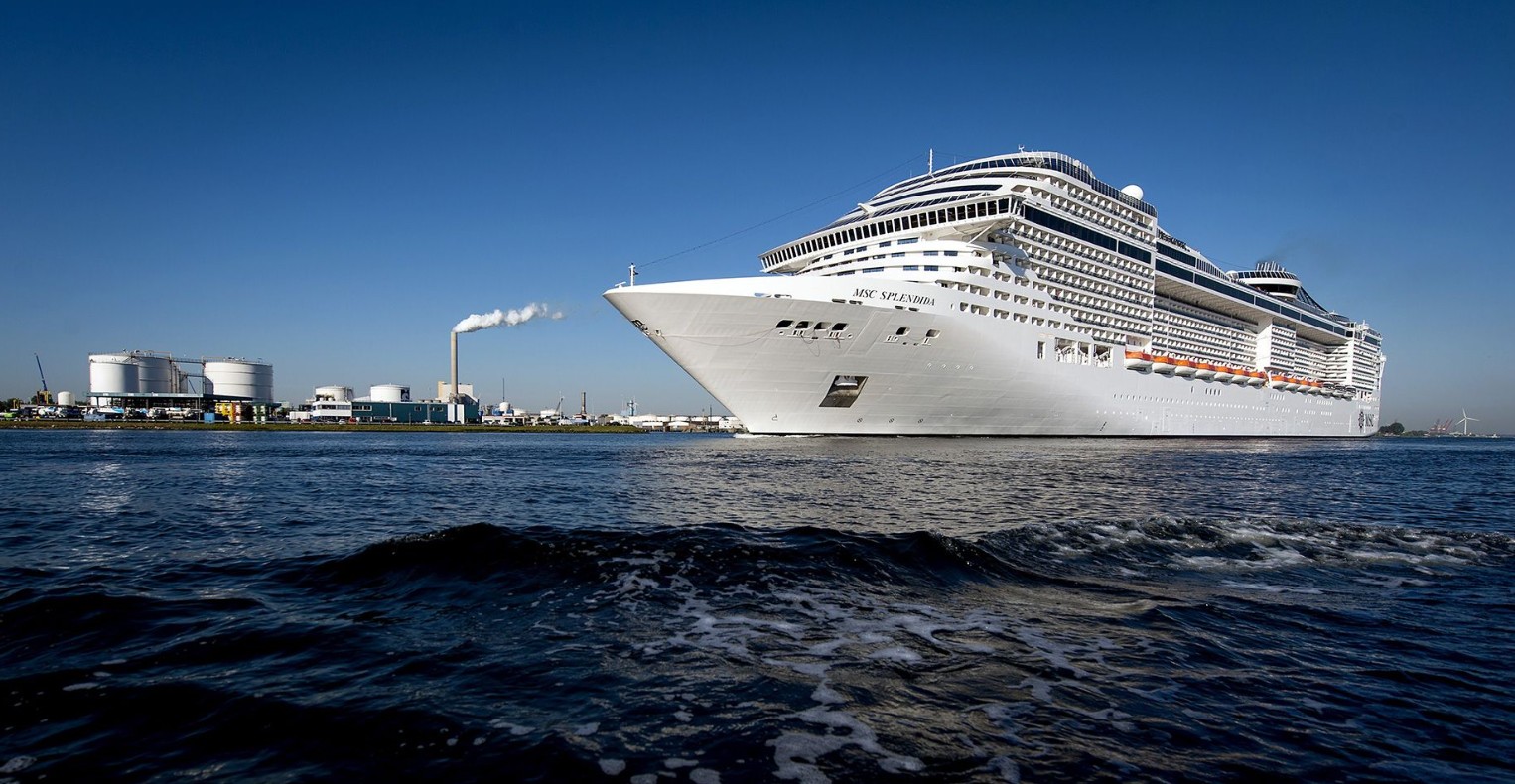
High risk African trade routes have become a security priority for governments and businesses due to global supply chain issues. There is severe disruption of maritime and land trade corridors across Africa as of September 2026 because of wars, piracy, and instability in Africa’s regions. From the volatile Red Sea and the Bab el Mandeb strait to the troublesome borders of the Sahel, there is a need for an understanding of the prevailing security conditions to use these important corridors. This report includes the latest official data, economic impacts, and travel security concerns related to trade and travel in Africa.
Background: The Strategic Framework of African Transit Corridors
The African continent stands at the physical and geopolitical epicentre of the global supply chain. Bounded by the Mediterranean Sea to the north, the Indian Ocean to the east, the Atlantic Ocean to the west, and the Cape of Good Hope to the south, Africa’s geographic positioning renders it indispensable to international commerce. Historically, the continent has served as a primary conduit connecting European markets with Asian manufacturing hubs, primarily through vital maritime chokepoints. Because over 90% of Africa’s total import and export volume is seaborne, the fluidity of these surrounding waters dictates the economic health of dozens of developing nations.
Advertisement
Advertisement
However, the maritime domain is only half of the equation. Internal terrestrial corridors—particularly those traversing landlocked regions such as the Sahel and the East African Community—are equally vital for intracontinental trade. These land routes represent the backbone of the nascent African Continental Free Trade Area (AfCFTA), an ambitious framework designed to integrate a market of 1.3 billion people and eliminate tariff barriers across member states. Yet, as global tensions have escalated throughout the mid-2020s, the interconnectivity that promised unprecedented economic growth has simultaneously exposed severe vulnerabilities. As of September 2026, the convergence of transnational armed conflicts, the resurgence of high-seas piracy, and complex regional political disputes have transformed several of these historical commercial arteries into highly dangerous transit zones. Ensuring maritime security Africa and stabilising terrestrial borders have subsequently evolved from theoretical policy goals into urgent, daily operational necessities for global logistics providers.
Latest Official Developments: September 2026 Security Updates
The security landscape surrounding African trade corridors has deteriorated markedly over the past twelve months. According to the latest advisory notes published by the United Kingdom Maritime Trade Operations (UKMTO) and the Joint Maritime Information Center (JMIC) in early September 2026, several critical transit zones have been formally categorised under elevated threat levels. The official risk assessment for the Bab el Mandeb and Southern Red Sea has been rigidly maintained at “SUBSTANTIAL,” indicating that sustained attacks on commercial vessels remain a strong possibility due to the verified capabilities and stated intents of regional militant groups. Meanwhile, the Somali Coast and the broader Somali Basin remain under a “MODERATE” threat level, with coastal opportunism persisting despite limiting monsoon weather conditions.
Advertisement
Advertisement
Beyond direct physical attacks, commercial shipping operators are actively contending with highly sophisticated electronic warfare tactics. The September 2026 UKMTO reports confirm that broad-spectrum Global Navigation Satellite System (GNSS) spoofing, GPS interference, and false Automatic Identification System (AIS) transponder manipulations remain heavily saturated across the Hodeidah littoral and the southern approaches to the Red Sea. This relentless electronic interference directly compromises navigational safety, frequently forcing merchant vessels to operate with their AIS transponders switched off—a defensive tactic that simultaneously complicates international search and rescue operations. Consequently, international maritime authorities have placed these specific maritime zones on high alert for travel, urging civilian passenger vessels and commercial cargo carriers to exercise extreme caution or re-route entirely.
The Red Sea and Bab el Mandeb: A Global Chokepoint on High Alert
The Enduring Impact of the Houthi Naval Blockade
The Red Sea corridor, stretching from the Suez Canal down through the Bab el Mandeb strait into the Gulf of Aden, is arguably the most critical maritime artery on the planet. Its uninterrupted operation is essential for the rapid movement of hydrocarbons, consumer electronics, and agricultural products between the East and the West. However, the region has been trapped in a state of severe crisis following the July 20, 2026, declaration of a naval blockade against Saudi Arabia by Houthi forces. This aggressive posturing immediately formalised what had already been months of sporadic violence into a systematic campaign against international shipping.
Advertisement
Advertisement
The immediate aftermath of this blockade declaration has been categorised by relentless kinetic activity. On August 30, 2026, the UKMTO confirmed a severe security incident involving the oil tanker BURGAN, which was struck on its starboard aft ballast tank by an unidentified projectile whilst navigating westbound near the Strait of Hormuz approaches. Merely days later, on the evening of August 31, 2026, another devastating attack crippled the oil tanker SIDR. Official reports confirmed that the vessel was forced to anchor north of Jazirat Tawakkul, awaiting urgent salvage assistance following the maritime assault. The persistence of these attacks thoroughly validates the classification of the Red Sea as one of the most perilous and risky channels right now for any form of international transit.
War-Risk Premiums and Insurability of Cargo
The relentless violence in the Red Sea has triggered an unprecedented reaction from the global marine insurance market. An authoritative 2026 report analysing the real costs to African trade highlights that underwriters have drastically tightened insurance cover for vessels attempting to navigate the Suez-Red Sea corridor. War-risk premiums, which are calculated as a percentage of a vessel’s total hull value, have surged dramatically. During periods of elevated threat in mid-2026, these supplementary premiums reached between 0.5% and 1% of a vessel’s total value for a single transit. For a modern container ship valued at upwards of $100 million, a 1% war-risk premium equates to a staggering $1 million surcharge applied to a single voyage—costs that are invariably passed down the supply chain to the end consumer.
Advertisement
Advertisement
The International Maritime Organization (IMO) has been vocal in its condemnation of this deteriorating environment. In an official statement released on August 12, 2026, the IMO firmly denounced the deadly ship attacks in the Red Sea as wholly “indefensible,” emphasising that the targeting of civilian seafarers constitutes a flagrant violation of international maritime law. In response, the IMO has accelerated its coordinated Red Sea Project, engaging directly with INTERPOL, the United Nations Office on Drugs and Crime (UNODC), and the Intergovernmental Authority on Development (IGAD) to support the institutional capacities of Djibouti, Ethiopia, Somalia, and Sudan. Despite these high-level diplomatic and security interventions, the operational reality for shipping lines remains bleak, with mass diversions away from the Suez Canal continuing unabated.
The Horn of Africa and Somali Basin: The Resurgence of Piracy
Current Status of Hijacked Merchant Vessels
While the world’s attention has been largely consumed by the geopolitical conflict in the Red Sea, the traditional scourge of piracy off the Horn of Africa has experienced a disturbing resurgence in 2026. After years of relative dormancy, heavily armed pirate action groups (PAGs) operating from the Somali coast have capitalised on the redeployment of international naval assets to launch audacious hijackings deep into the Indian Ocean. The UKMTO’s September 3, 2026, advisory note paints a grim picture of the current hostage situation, officially confirming that five major merchant vessels currently remain held captive by Somali pirate syndicates:
- MT HONOUR: A Palau-flagged product tanker, hijacked on April 21, 2026, off the northern Somali coast while en route to Mogadishu laden with critical oil products.
- MV SWARD: A Saint Kitts and Nevis-flagged general cargo ship, intercepted and hijacked on April 26, 2026, while bound for Mombasa carrying essential agricultural fertiliser.
- MT EUREKA: A Togo-flagged product tanker, brazenly hijacked on May 2, 2026, while anchored off Qana Port in Yemen.
- MT ASANA: A Tanzania-flagged product and chemical tanker, hijacked on July 17, 2026, approximately 65 nautical miles southwest of Mukalla, Yemen.
- MT SEAMULL (SIBU 1): An Eritrea-flagged tanker, representing the most recent casualty, hijacked on August 20, 2026, operating directly within the Internationally Recommended Transit Corridor (IRTC) off the coast of Somalia.
The capture of the MT SEAMULL directly within a designated secure transit corridor has sent shockwaves through the maritime community, demonstrating that even actively patrolled zones are no longer impervious to determined pirate action groups. The ongoing detention of these vessels and their civilian crews underscores why the Horn of Africa remains one of the most prominent high risk African trade routes today.
West Africa and the Gulf of Guinea: Combating Maritime Insecurity
The Intersection of AfCFTA and Regional Security
Historically infamous for high-intensity piracy and kidnapping-for-ransom operations, the Gulf of Guinea off the coast of West Africa remains a complex and heavily monitored maritime domain. Although international capacity-building efforts have reduced the sheer volume of high-seas hijackings compared to the peak crisis years of the previous decade, the region continues to grapple with pervasive illegal, unreported, and unregulated (IUU) fishing, alongside sophisticated maritime smuggling operations.
Advertisement
Advertisement
The security of the Gulf of Guinea is inextricably linked to the successful implementation of the African Continental Free Trade Area. The Economic Community of West African States (ECOWAS) has repeatedly emphasised that unlocking the transformative economic potential of the AfCFTA—which the World Bank projects could lift 50 million people out of poverty by 2035—requires absolute security across both land and sea borders. During a pivotal regional committee meeting held in Abidjan, Côte d’Ivoire, which reviewed AfCFTA progress, trade ministers acknowledged that while integration fosters economic resilience, it simultaneously presents new security challenges.
Expanded, frictionless trade flows risk inadvertently enabling the illicit trafficking of small arms, narcotics, and persons. Furthermore, the AfCFTA’s heavy reliance on digital integration, including e-customs and cross-border data exchange, exposes West African trade networks to advanced cybercrime. Analysts have officially noted that uneven economic development resulting from market liberalisation could exacerbate social tensions, potentially fuelling the very economic marginalisation that extremist groups in the neighbouring Sahel exploit. Consequently, securing the coastal ports of Ghana, Côte d’Ivoire, and Nigeria is viewed not just as a maritime policing exercise, but as a foundational requirement for continental economic survival.
Land Corridors on High Alert: The Sahel Transit Crisis
Logistical Vulnerabilities of the Alliance of Sahel States
While maritime threats dominate global headlines, the terrestrial transit routes traversing the African interior are facing an equally severe operational crisis. This is particularly evident within the landlocked nations comprising the Alliance of Sahel States (AES)—Mali, Burkina Faso, and Niger. These nations remain wholly dependent on a highly restricted number of maritime access corridors passing through neighbouring coastal states, a configuration that severely restricts their logistical adjustment capacity during times of geopolitical disruption.
The Dakar-Bamako corridor stands as the absolute lifeline for Mali’s foreign trade. Handling approximately 2 million to 3 million metric tonnes of goods annually, this single arterial route accounts for over 60% of the nation’s entire import volume. Despite recent infrastructure modernisation efforts, this corridor is plagued by severe structural constraints that persistently hinder the fluidity of transit. The physical deterioration of critical road segments, an excessive density of security checkpoints, and highly bureaucratic friction at border crossings create a logistical bottleneck that operates near its maximum capacity.
Border Closures, Sanctions, and Alternative Routes
The vulnerability of these Sahelian routes is aggressively compounded by regional political instability. Following diplomatic fallout and the imposition of ECOWAS sanctions on AES member states over the past few years, historical supply chains were fractured overnight. For instance, the suspension of transit bound for Niger via Benin in late 2023 brutally highlighted how deeply susceptible these landlocked economies are to regional political tensions. Similarly, diplomatic friction between Côte d’Ivoire and Mali temporarily disrupted the critical Abidjan-Bamako corridor, forcing logisticians to scramble for viable alternatives.
In response to this volatility, Sahelian states have increasingly pivoted toward the Nouakchott-Bamako corridor. By linking Mali to Mauritania—a nation outside the formal ECOWAS bloc—this route offers a strategic bypass around the region’s traditional, yet politically entangled, logistical circuits. However, the overarching reality remains grim: Sahelian logistics are characterised by a dangerous reliance on “single points of failure”. The disruption of merely one critical highway segment instantly leads to a rapid degradation of goods mobility, directly threatening the availability of strategic inputs, food security, and the continuity of essential public services across the region.
Advertisement
Advertisement
Economic Implications: The Real Cost to African Trade in 2026
Transit Delays and Surging Working Capital Pressures
The physical disruptions across these high risk African trade routes translate directly into massive financial burdens for African economies. The mass diversion of commercial shipping away from the Suez Canal and around the Cape of Good Hope has fundamentally rewired the geography of global trade. An authoritative 2026 economic impact assessment reveals that this contingency routing routinely adds between 10 and 15 extra days in transit time for vessels travelling between Asia and Europe or the Americas.
This extended delivery timeline inflicts a heavy toll on inventory financing and corporate working capital. Capital tied up in transit for an additional fortnight accrues significant financing costs. Economic modelling indicates that, assuming a standard 20% annual cost of capital, an extra 10 days at sea arbitrarily adds approximately 0.55% to the total cargo value, entirely exclusive of compounding storage and demurrage fees at congested destination ports. For African importers operating on razor-thin margins, these delays are financially devastating, severely restricting trade credit availability for smaller enterprises.
Inflation Pass-Through in Sub-Saharan Africa
The downstream consequences of these logistical bottlenecks are ultimately borne by the civilian population through aggressive inflation. The Red Sea trade disruption has systematically increased the landed costs of goods into Africa’s Indian Ocean ports, placing immense pricing pressure on import-dependent sectors. This is most acutely felt within critical industries such as pharmaceutical imports, fast-moving consumer goods (FMCG), and agricultural fertilisers across East and Southern Africa.
Compounding this crisis is the widespread issue of currency depreciation across many African nations. Where domestic currencies are weak, exchange rate volatility forces a much faster inflation pass-through to the consumer. Consequently, the heightened logistics costs generated by maritime insecurity are directly accelerating the cost-of-living crisis across Sub-Saharan Africa in 2026, threatening to spark localised social unrest and protests if severe shortages of staple foods or critical medicines materialise.
Industry Impact: Supply Chain Reconfigurations
The Cape of Good Hope Diversion and Port Congestion
The maritime industry’s structural pivot away from the Red Sea has placed immense operational strain on alternative transit hubs. South African ports, historically accustomed to handling steady regional traffic, have been periodically overwhelmed by the sudden influx of mega-vessels requiring bunkering, victualling, and emergency maintenance as they navigate the arduous journey around the Cape of Good Hope. This sudden surge has led to acute port congestion, further extending delivery schedules and exacerbating the global supply chain backlog.
Moving from Just-In-Time to Just-In-Case
In response to this sustained volatility, multinational corporations and regional African distributors are fundamentally restructuring their supply chain philosophies. The long-term forecast suggests that businesses are permanently abandoning the efficiency-driven “just-in-time” inventory models in favour of highly resilient “just-in-case” strategies. Firms are actively adopting nearshoring practices, seeking to source raw materials and finished goods closer to their end markets to bypass the treacherous deep-sea corridors. While holding expanded safety stock heavily reduces the risk of sudden stockouts, it fundamentally mandates a more expensive corporate cost structure—a financial reality that will permanently elevate baseline consumer prices across the continent.
Advertisement
Advertisement
Tourism, Business, and Public Impact
Travel Advisories and Commercial Aviation
The systemic insecurity plagueing these trade corridors extends far beyond commercial cargo, actively threatening passenger safety and international tourism. Numerous global foreign offices and maritime authorities have placed the Red Sea, the Gulf of Aden, and the broader Horn of Africa on severe high alert for travel. Consequently, the lucrative international cruise industry has entirely abandoned Red Sea itineraries, striking a heavy blow to the tourism revenues of coastal nations such as Egypt and Jordan, which heavily rely on transit fees and shore excursions.
Furthermore, the expansive electronic warfare and GNSS spoofing occurring over the Red Sea and the Strait of Hormuz directly imperils commercial aviation. Civilian airliners navigating the airspace above these conflict zones frequently experience severe GPS degradation, forcing pilots to rely on legacy navigational instruments and increasing the cognitive workload in highly congested airspace. This has prompted major international airlines to radically alter their flight paths, adding hours to flight times, burning excess aviation fuel, and significantly driving up ticket prices for business travellers and tourists attempting to access the African continent.
Government Announcements and Official Statements
In response to this multifaceted crisis, international governance bodies are attempting to assert control through diplomatic and regulatory interventions. The IMO’s vocal condemnation of Houthi aggression in August 2026 underscored the urgent need for a unified global naval response to protect the sanctity of freedom of navigation. Simultaneously, African multilateral institutions are striving to insulate the continent’s internal economy from external maritime shocks.
The ECOWAS Commission, alongside the AfCFTA Secretariat, has publicly doubled down on the necessity of regional integration. During official summits in late 2024 and persisting through subsequent reviews into 2026, leaders praised milestones such as the successful execution of the Guided Trade Initiative (GTI) and the rollout of the ECOWAS-ITC SheTrades AfCFTA project, which actively empowers women cross-border traders. Officials maintain that by eliminating internal tariffs and harmonising customs protocols, African nations can dramatically boost intra-African exports—projected to increase by up to 109% by 2035—thereby reducing the continent’s crippling dependency on volatile international maritime corridors.
Future Outlook: Navigating African Trade Routes on High Alert
Looking ahead to late 2026 and beyond, it is highly unlikely that global supply chains will naturally revert to the frictionless operations witnessed in the early 2020s. The ongoing militarisation of the Red Sea, the stubborn persistence of piracy off the Somali coast, and the complex political fragmentation within the Sahelian transit corridors suggest that logistical friction is the new permanent baseline.
For the global supply chain to effectively navigate these risky channels right now, a structural evolution is mandatory. Over the medium to long term, operational resilience will depend heavily on robust investments in alternative infrastructure—such as expanding the capacity of West and Southern African deep-water ports, accelerating the paving of trans-continental highways, and fully digitising border customs procedures to eradicate bureaucratic delays. Ultimately, the successful realisation of the African Continental Free Trade Area remains the continent’s most potent defensive mechanism. By fostering a self-sustaining internal market, African nations can systematically decouple their economic destinies from the geopolitical conflicts currently choking their surrounding seas, ensuring sustainable, long-term prosperity despite the looming threats.
Advertisement
