Published on January 1, 2026

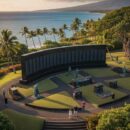
In a historic move to promote ecotourism and sustainable recreation in Karachi, Mayor Barrister Murtaza Wahab has launched an ambitious Rs200 million conservation project at Kidney Hill Park. The project, which will include the city’s largest bird aviary, is a significant step towards transforming Karachi’s urban green spaces into thriving, environmentally friendly havens. The initiative demonstrates the Karachi Metropolitan Corporation (KMC)’s growing commitment to improving the city’s environmental landscape while promoting wildlife protection.
Kidney Hill Park, an existing green space, is set to undergo a significant transformation. The most prominent feature of the project will be a large bird aviary, which will span across 1.5 acres of land. Designed to integrate seamlessly with the natural environment, the aviary is expected to rise about 40 feet high, providing a safe and serene habitat for the birds. The project will be carefully constructed to ensure minimal disruption to the surrounding flora and fauna, ensuring that the new aviary feels like a natural extension of the park itself.
This conservation project is part of a broader plan to enhance Karachi’s status as a sustainable and eco-tourism-friendly destination. The initiative will play a crucial role in wildlife protection efforts, while also serving as a key attraction for nature lovers, photographers, and tourists seeking an eco-conscious recreational space within the city.
The launch of this conservation project highlights Karachi’s increasing focus on ecotourism. Kidney Hill Park is already setting a strong example of sustainability with its solar-powered infrastructure, making it Karachi’s first park to run entirely on clean energy. The integration of solar power into the daily operations of the park is just one of many steps being taken to ensure that the development remains environmentally friendly and future-ready.
As part of the Rs200 million project, efforts are also being made to modernize other parts of the city’s recreational spaces. The Mayor has directed that similar large aviaries be constructed at Karachi Zoo and Safari Park, further elevating the city’s commitment to wildlife protection and sustainable tourism. This initiative reflects the growing importance of green spaces in urban areas, not just for residents’ well-being but also for tourists seeking serene environments amidst busy city life.
Sustainability is a central theme of the Kidney Hill Park project. The park’s commitment to eco-friendly operations is showcased through its solar power system, which ensures that its daily functions contribute to reducing the carbon footprint. In an urban landscape that often struggles with the pressures of rapid development, Kidney Hill Park stands as a model of how conservation and modern infrastructure can go hand in hand.
Advertisement
In addition to the bird aviary, the KMC’s efforts to upgrade existing facilities at the Karachi Zoo also focus on animal welfare and enhancing the overall visitor experience. The zoo’s lion enclosures and reptile houses are being refurbished to improve the living conditions of the animals, ensuring that the public can enjoy a more immersive and educational experience. These upgrades are expected to contribute to a more sustainable and visitor-friendly environment for both animals and tourists alike.
Once completed, the Kidney Hill Park project is expected to become a key tourist attraction in Karachi. Its location, coupled with the newly added bird aviary and sustainable features, is set to make it a popular destination for nature enthusiasts and tourists from both within Pakistan and abroad. By 2026, the park is anticipated to become a regular weekend spot for city dwellers, offering an opportunity to connect with nature in an urban setting.
This project represents a significant step forward in the revitalization of Karachi’s green spaces, which have long been overshadowed by rapid urbanization and encroachments. Through strategic planning and investment in sustainable development, Karachi is gradually transforming into a city that values its natural heritage while providing modern recreational spaces for its residents and visitors.
The launch of this Rs200 million conservation project is not just about building a bird aviary—it’s about setting a precedent for urban development that integrates nature conservation with community engagement. The Mayor’s commitment to turning Kidney Hill Park into a flagship model of urban ecotourism reflects a broader vision for Karachi’s future. By ensuring that public spaces are not only accessible but also ecologically responsible, the city is making strides towards a more sustainable future.
In addition to its immediate benefits for wildlife conservation and ecotourism, the project is expected to create employment opportunities and stimulate local economies through tourism. As Karachi continues to evolve as a regional hub for ecotourism, similar projects across the city could help establish Pakistan as a key destination for sustainable travel in the coming years.
With an ambitious timeline set for completion within 120 days, the Kidney Hill Park project is moving ahead at full speed. The Mayor’s emphasis on accountability and quality assurance ensures that the project will be delivered on time, with no room for negligence. This commitment to excellence is vital for ensuring that the final result not only meets but exceeds expectations, solidifying Karachi’s position as a leading city in ecotourism development.
As the project progresses, Karachi residents and visitors alike can look forward to the introduction of an entirely new kind of urban recreational space, where nature, sustainability, and wildlife protection take centre stage. Kidney Hill Park, with its expansive aviary and solar-powered operations, is set to become a shining example of what sustainable urban development can look like, providing both a sanctuary for wildlife and a tranquil retreat for people.
The launch of the Rs200 million conservation project at Kidney Hill Park demonstrates Karachi’s growing commitment to protecting its natural environment while also boosting its tourism industry. The project’s emphasis on sustainability, wildlife protection, and ecotourism is expected to turn Kidney Hill Park into a popular tourist destination by 2026. As Karachi continues to modernise its green spaces, the city’s future appears brighter, greener, and more connected to nature than ever before.
Advertisement







Thursday, January 1, 2026

Thursday, January 1, 2026
Thursday, January 1, 2026
Thursday, January 1, 2026

Thursday, January 1, 2026

Thursday, January 1, 2026

Thursday, January 1, 2026