Published on January 1, 2026
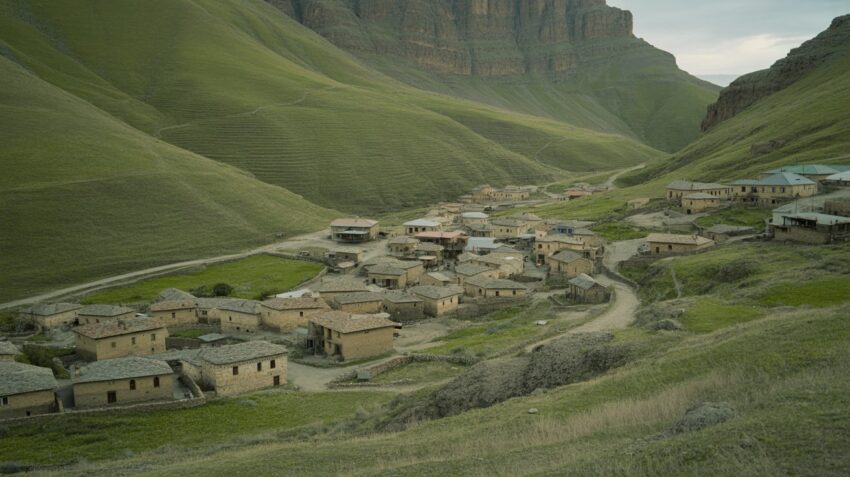
Khvarshi Villages are a small group of mountain settlements in Dagestan known for their linguistic uniqueness and deep-rooted cultural traditions. Located in isolated valleys shaped by steep ridges and narrow river corridors, these villages are home to one of the region’s lesser-known indigenous languages. For travelers seeking depth over convenience, Khvarshi villages offer an experience where culture, language, and landscape remain inseparable.

Unlike destinations defined by monuments or viewpoints, Khvarshi villages draw visitors through their living heritage. The language spoken here is not a museum artifact but a daily tool of communication, preserved through continuous use within families and communities. Tourism in this region is not about observation alone but about understanding how isolation has allowed culture to endure.
Advertisement
For culturally curious travelers, Khvarshi villages represent one of Dagestan’s most meaningful destinations, combining anthropological interest with the quiet beauty of remote mountain life.
The Khvarshi villages are situated in hard-to-reach valleys, surrounded by rugged terrain that has historically limited access. Steep slopes, winding roads, and seasonal weather conditions have shaped both settlement patterns and cultural continuity.
This isolation has played a crucial role in preserving linguistic and social traditions. While modernization has reached many parts of Dagestan, the Khvarshi valleys have changed slowly, allowing local identity to remain intact.
For travelers, the journey itself becomes part of the experience. Reaching the villages requires patience and planning, reinforcing a sense of arrival rather than casual visitation.
Advertisement
The natural environment surrounding the Khvarshi villages is dramatic yet understated. Mountain ridges rise sharply, while valley floors support small plots of farmland and grazing areas. Streams and rivers provide water for households and agriculture, linking daily life directly to the land.
Visitors often describe the landscape as quiet rather than spectacular. This calmness allows attention to shift from scenery to people, language, and tradition.
Architecture in Khvarshi villages reflects generations of adaptation to mountain conditions. Stone houses are built close together, providing insulation from harsh weather and reinforcing communal bonds.
Buildings are functional, with minimal ornamentation. Storage areas, animal shelters, and living spaces are integrated into compact layouts that maximize limited space.
For travelers interested in vernacular architecture, these villages offer insight into how form follows necessity, shaped by climate, terrain, and social structure.
Narrow footpaths link homes, communal spaces, and fields. These paths encourage frequent interaction among residents, strengthening social ties.
Visitors walking through the villages quickly notice how movement naturally leads to conversation. This openness forms the foundation of the Khvarshi approach to hospitality.
The Khvarshi language is one of Dagestan’s lesser-known indigenous tongues, spoken primarily within these villages. Its continued use is a defining feature of local identity.
Language shapes worldview, social norms, and cultural expression. For travelers, hearing the language spoken in everyday contexts offers a rare opportunity to witness linguistic heritage as a living system rather than an academic subject.
While visitors are not expected to understand the language, respectful curiosity is often welcomed, and explanations are offered through shared languages when possible.
Cultural knowledge in Khvarshi villages is passed down orally through stories, proverbs, and daily practice. Elders play a central role in preserving memory and guiding younger generations.
This transmission is informal yet effective, embedded in routine activities rather than structured lessons. Travelers who spend extended time in the villages gain insight into how culture persists without written documentation.
Daily life revolves around agriculture and animal husbandry. Small fields, gardens, and pastures support families through seasonal cycles.
Work is communal and shared, reinforcing cooperation and mutual support. Visitors may observe or participate in simple tasks, gaining appreciation for the labor behind mountain self-sufficiency.
This lifestyle offers a counterpoint to urban travel experiences, highlighting resilience and adaptability.
Hospitality in Khvarshi villages is guided by tradition rather than commercial expectation. Guests are treated with respect and generosity, often invited to share meals or conversation.
These interactions provide travelers with an authentic cultural exchange. Respectful behavior and cultural sensitivity are essential, as visitors are entering private community spaces rather than tourist zones.
Khvarshi villages appeal primarily to travelers interested in cultural immersion, linguistic heritage, and slow travel. There are no major attractions or guided routes; the experience is shaped by presence and participation.
This form of tourism prioritizes learning and connection over entertainment. Visitors often stay in local homes or small guesthouses, supporting families directly.
The surrounding valleys offer gentle walking routes that connect villages and viewpoints. These paths provide opportunities for quiet exploration without demanding technical skills.
Walking becomes a way to understand scale, distance, and daily movement patterns in mountain life. Combined with time spent in the villages, these walks deepen appreciation for the relationship between people and land.
Travelers to Khvarshi villages should approach with humility and respect. Photography should be discreet, and permission should be requested when appropriate.
Understanding that the language and traditions are integral to identity helps guide respectful behavior. Visitors are observers and learners, not consumers of culture.
The valleys hosting the Khvarshi villages are environmentally sensitive. Limited infrastructure means waste management is a shared responsibility.
Travelers should minimize impact by carrying out all waste, conserving water, and staying on established paths.
Small-scale tourism provides supplementary income without altering the core structure of village life. This support helps sustain traditional practices and encourages younger generations to value their heritage.
Unlike mass tourism, this model reinforces rather than replaces local identity.
Within Dagestan’s diverse tourism offerings, Khvarshi villages represent cultural depth and linguistic heritage. They complement destinations known for dramatic landscapes by adding human context.
For travelers building a comprehensive Dagestan itinerary, these villages offer balance and perspective.
Khvarshi villages are often included as part of longer journeys through Dagestan’s mountain regions. Travelers may combine visits with nearby valleys, plateaus, and historical settlements.
Because access is limited, visits are usually intentional, attracting travelers committed to immersive experiences.
Khvarshi villages are not defined by what they display but by what they preserve. Language, tradition, and community remain deeply connected to place, forming a living cultural landscape.
For travelers willing to move slowly and listen carefully, these villages offer more than scenery. They provide an understanding of how isolation can protect identity and how language continues to shape daily life.
In an era of global sameness, Khvarshi villages stand as quiet guardians of difference. Visiting them is not about ticking off destinations but about recognizing the value of cultures that endure through continuity, care, and community.
Advertisement










Thursday, January 1, 2026

Thursday, January 1, 2026

Thursday, January 1, 2026

Thursday, January 1, 2026

Thursday, January 1, 2026
Thursday, January 1, 2026