

Japan Along With Other Countries Boosts Global Tourism Revenue in 2026 Through Smart Strategies

Published
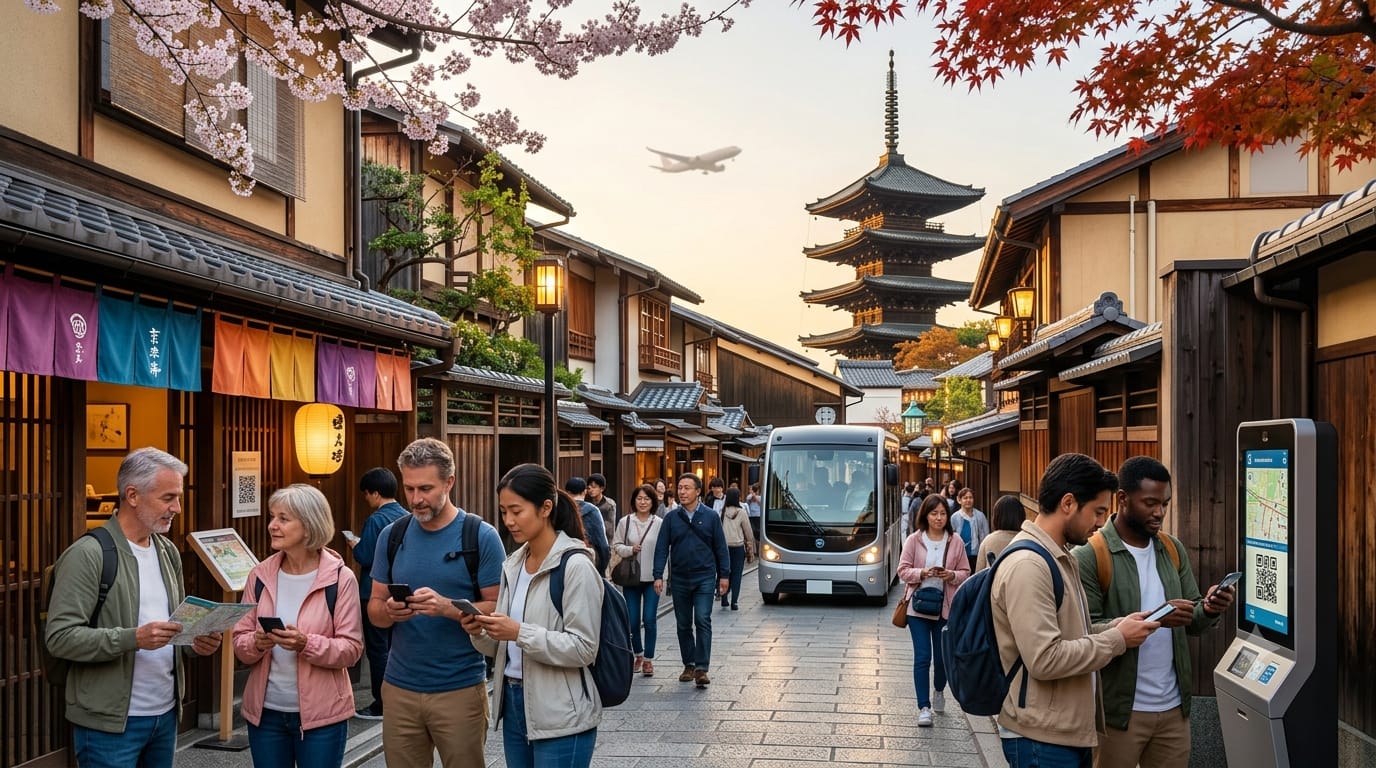
This astonishing phenomenon, which has just begun to unfold in the world, has an immense impact on the situation both globally and at the level of individual companies. Significant financial gains in the tourism sector are characteristic of the modern dynamics of the world. The implementation of innovative strategies makes it possible to completely restructure the international tourist traffic system. Thus, the competent business community is actively introducing revolutionary changes in all areas of economy, and those who are ready for innovations are always in demand among tourists.
Four countries have managed to diversify their economies by implementing smart strategies to increase revenue: Japan, UAE, Spain, and Vietnam. At the same time, they have taken steps to decentralize and develop their tourism infrastructure and adapted their services to meet the needs of the modern world.
How Is Japan Achieving Record Tourism Revenue Through Strategic Decentralisation?
Japan secured the top position in the global travel index by welcoming over forty-two million international visitors who generated nearly sixty billion dollars in total spending. The national tourism board deliberately redirected foot traffic away from congested metropolitan hubs like Tokyo and Kyoto toward emerging regional prefectures. This geographic decentralisation prevented severe local overtourism while simultaneously distributing vital economic benefits deep into rural communities. The nation also capitalised on favourable currency exchange rates that dramatically increased the purchasing power of international holidaymakers from Western markets. Infrastructure enhancements, including high-speed rail expansions and improved regional air connectivity, ensured that travelers could seamlessly access lesser-known cultural destinations. Furthermore, local authorities prioritized authentic gastronomic experiences and historic preservation projects to attract high-value tourists seeking meaningful cultural immersion. Consequently, this multi-tiered approach transformed seasonal visitor spikes into a stable, year-round revenue engine that supports long-term national economic resilience.
Japan Along With Other Countries Boosts Global Tourism Revenue in 2026 Through Smart Strategies. For official guidelines and tourism growth data, consult the Japan National Tourism Organization or the Ministry of Tourism, Government of India.
Advertisement
Advertisement
What Driving Forces Propel The United Arab Emirates To Luxury Tourism Dominance?
The United Arab Emirates continues to lead the Middle East travel market by deploying massive capital into mega-scale infrastructure projects and high-end hospitality venues. National carriers like Emirates and Etihad successfully captured surging long-haul transit traffic by expanding global route networks and upgrading fleet capabilities. Strategic marketing campaigns positioned the federation as a premier global nexus for luxury leisure travel, corporate conventions, and international sporting events. State-backed investments in futuristic entertainment districts and pristine coastal resorts consistently attracted high-net-worth individuals seeking exclusive holiday experiences. Meanwhile, streamlined digital visa processes and proactive public-private partnerships eliminated bureaucratic friction for incoming business travelers and affluent families. These coordinated initiatives elevated average visitor spending figures across the board, ensuring that the federation maximised financial returns from every arriving international flight. Ultimately, this relentless focus on premium lifestyle offerings solidified the nation’s reputation as an indispensable heavyweight within the contemporary global tourism economy.
Why Does Spain Remain A Cornerstone Of European Inbound Tourism Growth?
Spain consolidated its standing near the very top of international travel rankings by capturing robust long-haul demand from North America and the Middle East. Regional tourism boards successfully pivoted away from unmanaged mass volume toward smart tourism frameworks focused on digitalization and environmental sustainability. Strategic public initiatives encouraged visitors to explore interior culinary routes and historic heritage towns rather than crowding vulnerable Mediterranean coastal zones. Substantial investments in upgraded port facilities and modern airport infrastructure allowed the country to absorb higher volumes of affluent cruise passengers and international flyers. Local hospitality enterprises also embraced green certifications and tech-driven visitor management systems to protect natural ecosystems while enhancing service delivery standards. This meticulous balancing act between heritage preservation and commercial expansion ensured that rising visitor numbers translated directly into sustainable regional revenue. Therefore, the country serves as a vital European blueprint for managing high-demand tourism without sacrificing local quality of life or environmental integrity.
Advertisement
Advertisement
“Japan Along With Other Countries Boosts Global Tourism Revenue in 2026 Through Smart Strategies. This comprehensive analysis demonstrates how proactive governance, strategic infrastructure investments, and innovative digital marketing campaigns successfully revitalise the post-pandemic travel economy worldwide. By decentralising visitor traffic, streamlining visa liberalisation policies, and expanding international aviation networks, these nations effectively transformed seasonal fluctuations into stable, long-term economic growth engines. Consequently, industry stakeholders now possess a proven blueprint for balancing mass commercial profitability with sustainable regional preservation, ensuring resilient prosperity across the global tourism sector for years to come.”
— Anup Kumar Keshan, Founder and Editor-in-Chief, Travel And Tour World
How Has Vietnam Optimised Its Visa Policies To Accelerate Visitor Spending?
Vietnam witnessed a phenomenal surge in international arrivals by implementing highly competitive visa liberalization policies and targeted digital promotion campaigns. Favourable entry requirements allowed regional and European travelers to enter the country with minimal administrative delay, sparking a rapid increase in spontaneous holiday bookings. The nation leveraged its exceptional affordability to capture budget-conscious tourists while simultaneously developing luxury wellness resorts and eco-tourism circuits to attract affluent segments. Regional airports underwent major modernisation programmes to accommodate direct international flights from key source markets across Asia and the West. Local tourism operators collaborated closely with global content creators to showcase vibrant cultural heritage, coastal landscapes, and world-renowned culinary traditions online. These combined economic levers pushed annual tourism revenue past previous historic milestones while generating hundreds of thousands of new hospitality jobs. As a result, the country firmly established itself as one of the most dynamic and financially lucrative travel destinations across the entire Southeast Asian region.
| Country | 2026 Tourism Revenue / Arrivals | Core Strategic Growth Catalyst | Key Focus Area / Initiative |
| Japan | 42.7M Visitors / ~$59.7 Billion | Regional decentralisation & weak-currency purchasing power | Spreading foot traffic beyond Tokyo/Kyoto to rural prefectures |
| United Arab Emirates (UAE) | Regional growth leader (+15.3%) | Mega-scale infrastructure & transit-hub connectivity | Expanding luxury hospitality, aviation networks, and business hubs |
| Spain | Top 3 globally (WEF TTDI) | Long-haul demand from North America & Middle East | Smart tourism, digitalization, and heritage preservation |
| Vietnam | Significant revenue surge (~$39 Billion) | Favorable visa liberalization & competitive pricing | Developing wellness tourism, eco-tours, and modern airports |
Why are global destinations witnessing unprecedented economic gains? The governments implemented selective visa relaxations and invested heavily in the development of the aviation industry. The former helped in reducing bureaucratic hurdles for tourists while the latter improved air travel accessibility, resulting in increased spending by visitors from other countries.
In short, proactive economic strategies have considerably improved the tourism industry worldwide. The countries invested heavily in the development of the infrastructure and aggressive promotion of the destinations abroad. Thus, it is possible to claim that the contemporary tourism sector remains highly profitable due to the careful implementation of effective economic strategies by different nations. In the long run, such policies promote and ensure economic prosperity in different parts of the world.
Advertisement
