
Lufthansa Joins EasyJet, Ryanair, and Wizz Air in Facing Soaring Fuel Costs and New Uncertainty Over Middle East Crisis, Significantly Impacting Summer Bookings, Airline Profitability, and Future Forecasts: New Updates You Should Need to Know

Published
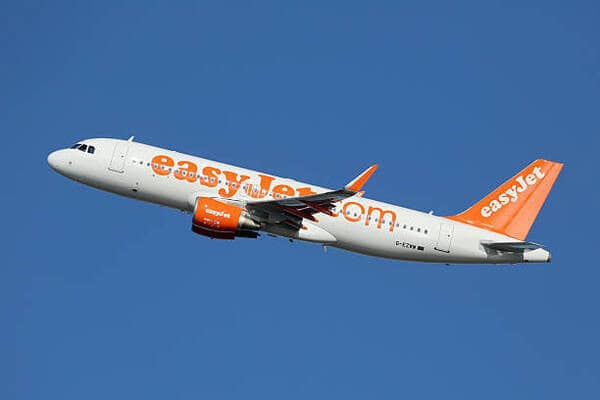
Airlines, including Lufthansa, EasyJet, Ryanair, and Wizz Air, are issuing urgent warnings about escalating operational costs, booking delays, and rising airfares. The sharp increase in fuel prices, driven by the ongoing Middle East conflict, has added significant pressure to their already fragile profit margins. These airlines are struggling to predict demand, as travelers opt for last-minute bookings and shift preferences towards domestic and regional destinations. With the summer travel season approaching, the unpredictable nature of fuel costs and geopolitical tensions is creating a volatile environment, putting additional strain on the entire airline industry and potentially impacting customer travel plans.
EasyJet is forecasting a significant increase in its first-half loss, primarily due to soaring fuel prices linked to the ongoing conflict in the Middle East, as well as a slowdown in summer bookings. The airline’s management revealed that there had been a shift in consumer travel behaviour, with customers booking closer to their departure dates and showing a greater preference for domestic destinations. Despite efforts to hedge against rising fuel costs, EasyJet warned that continued high prices could drive up airfares as the year progresses, affecting the entire industry.
Advertisement
Advertisement
On Thursday, EasyJet reported that its bookings were lagging behind the same period last year, largely due to uncertainty surrounding the Iran war. This has resulted in a dip in the airline’s stock price, as well as a broader decline in shares of budget carriers such as Ryanair, Wizz Air, and Lufthansa. The airline, like its competitors, is facing pressure on profit margins and revenue, particularly as the conflict in the Middle East continues to disrupt global fuel supply chains.
Wizz Air, another key player in the budget travel sector, has already projected a €50 million ($58.91 million) reduction in its annual net profit, highlighting the widespread impact of rising fuel costs across European carriers. Both EasyJet and Wizz Air have indicated that the conflict in the Middle East has created a sense of uncertainty regarding fuel prices and customer demand in the near term.
Advertisement
Advertisement
EasyJet has observed a shift in travel patterns, with customers opting for shorter booking windows and focusing more on domestic and city-based travel. There has been a noticeable decrease in travel to eastern Mediterranean destinations, accompanied by a corresponding increase in interest for western Mediterranean locations, such as Spain and Italy.
While some regions, including Cyprus, Egypt, and Turkey, are seeing gradual recovery, the airline’s first-half financial outlook remains bleak. EasyJet expects to report a pre-tax loss of between £540 million and £560 million ($733 million to $761 million), which includes an additional £25 million in fuel costs for March and £30 million in legal provisions. This comes after the airline posted a loss of £394 million in the same period last year.
Advertisement
Advertisement
Bookings for EasyJet’s summer season are trailing behind last year’s figures, with only 63% of third-quarter flights sold so far, compared to 65% at the same time last year. For the fourth quarter, from July to September, the airline has sold just 30% of available seats. This leaves the airline uncertain about its load factors—how many of its available seats will be filled by paying customers—during the peak summer travel months.
The airline’s leadership expressed concern over the potential impact of the Iran conflict on future bookings, particularly in light of the ongoing geopolitical uncertainty. EasyJet had already warned that ticket prices would rise towards the end of the summer season, with the Middle Eastern crisis affecting consumer confidence and spending habits. However, the company remains optimistic that its hedging strategy will help buffer some of the short-term fuel price volatility.
EasyJet has locked in 70% of its fuel needs for the summer at a rate of $706 per metric tonne, providing some protection against price fluctuations in the immediate future. However, these hedges are set to unwind towards the end of the summer, meaning that the airline may face higher fuel costs in the latter part of the year. This could result in an upward push on ticket prices across the entire industry, particularly if fuel prices remain elevated for an extended period.
Despite these challenges, EasyJet maintains a solid liquidity position, with £4.7 billion in available funds to help weather the current operating environment. This financial cushion will allow the airline to continue working towards its medium-term targets, including expanding its network and investing in fleet upgrades.
Overall, EasyJet’s cautious outlook reflects the broader challenges facing the aviation industry, with fuel prices, shifting booking trends, and geopolitical risks all contributing to a complex and uncertain operating environment. As the airline navigates this turbulence, it will be closely monitoring the situation in the Middle East and adjusting its strategies accordingly. For budget airlines like EasyJet, Ryanair, Wizz Air, and Lufthansa, the stakes remain high as they face increased pressure on profit margins and the potential for rising fares in the months ahead.
Advertisement
