
Transform Your Thailand Tourism Experience with the New TAT Culinary Map

Published
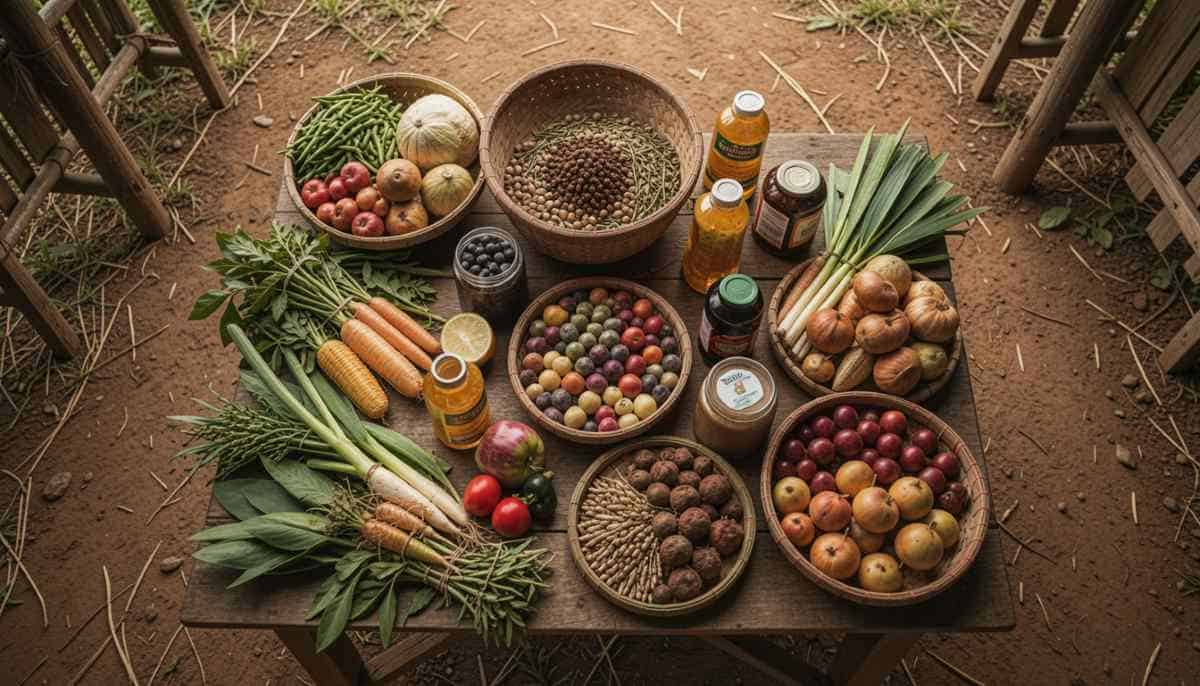
Today’s international travel has moved away dramatically from passive sightseeing to immersion and taste-driven discovery. Gastronomy tourism is now widely acknowledged by global experts as an important gateway to understanding the soul, heritage and agricultural traditions of a destination. For world travellers seeking authentic experiences, food is the ultimate cultural passport. It speaks volumes of centuries of history through flavour. With this increasing consumer demand in mind, the Tourism Authority of Thailand (TAT) has officially launched a new culinary map to showcase the kingdom’s rich localised flavours.
This national campaign is aimed primarily at inspiring travellers to explore destinations far beyond the usual city-based tourist circuits and to experience the unique local offerings that have been perfected thru centuries of tradition. The campaign creates direct links between visitors and genuine local production so that tourism spending goes straight to the grassroots agricultural communities. For those planning a Southeast Asian itinerary soon enough, knowing these different culinary roots is a must for a flavour-focused, meaningful trip that respects local traditions.
What Are Geographical Indication (GI) Products in Thailand?
A Geographical Indication, or GI, functions as a powerful form of intellectual property that identifies goods whose exceptional quality, reputation, or distinct characteristics are explicitly linked to their specific place of origin. According to official data from the Department of Intellectual Property (DIP), these certified items represent the unique soil composition, climatic conditions, and traditional generational knowledge of specific Thai regions.
When a commodity receives official GI status, it protects the legacy of local producers while giving discerning consumers an absolute guarantee of authenticity and superior craftsmanship. The new TAT culinary map leverages these protected statuses to curate a definitive route of five elite regional items. Rather than sampling mass-produced food items, travelers are invited to explore the distinct micro-climates and heritage techniques that make each designated speciality entirely irreproducible anywhere else in the world, anchoring tourism firmly in authenticity.
Advertisement
Advertisement
Exploring the Five Designated Regional Specialities in Detail
The newly released map spans the geographical expanse of the nation, highlighting five distinct products certified for their exceptional regional heritage and distinct production methodologies:
- Doi Chang Coffee (Chiang Rai): Harvested in the mist-shrouded northern mountains, this internationally celebrated Arabica coffee owes its complex flavour profile to the rich highland soil and unique micro-climate of Chiang Rai. Cultivated by local hill tribes, the farming methods prioritize shade-grown practices that protect local biodiversity.
- Phon Yang Kham Premium Beef (Sakon Nakhon): Raised using specialized cooperative agricultural practices in the northeast, this tender, highly marbled beef represents the absolute pinnacle of Thai livestock production. Rigorous feed management and cooperative oversight guarantee unmatched quality and support local farming families.
- Sam Phran Aromatic Coconut (Nakhon Pathom): Situated in the fertile central region, these coconuts are globally praised for their naturally sweet water and distinct, popcorn-like fragrance derived from local alluvial soils and specialized irrigation networks managed by experienced orchardists.
- Chanthaburi Durian (Chanthaburi): Grown in the fertile, mineral-rich eastern province, this revered fruit benefits from coastal humidity and specialized orchard management, yielding a creamy texture and robust taste that satisfies connoisseurs worldwide through strict harvesting standards.
- Trang Roast Pork (Trang): Hailing from the deep south, this culinary masterpiece involves a meticulous preparation method featuring a secret marinade and an ultra-crispy crackling finish rooted in centuries of southern Chinese-Thai trading tradition.
How the TAT Culinary Map Transforms Regional Travel and Slow Tourism
The integration of GI products into a national tourism strategy changes the way tourists travel around the country. The TAT project promotes slow travel through agricultural heartlands, decentralising travel away from overpopulated urban centres. The map encourages visitors to engage directly with local farmers, plantation owners and village co-operatives, fostering cross-cultural appreciation.
Advertisement
Advertisement
In addition, this campaign protects intangible heritage. The increasing demand for certified products such as Trang Roast Pork and Doi Chang Coffee is prompting the younger generation to continue harvesting and cooking in the traditional way, rather than moving to the cities. It is a powerful economic driver for the regions, and it’s a demonstration that sustainable tourism and great gastronomy can come together to safeguard local pride and balance with the environment.”
Frequently Asked Questions
What is a Geographical Indication (GI) product in Thailand?
A GI product is an item—such as coffee, fruit, meat, or prepared food—whose specific quality, reputation, and characteristics are fundamentally determined by its unique geographical origin and traditional local production techniques.
Advertisement
Advertisement
How many products are featured on the new TAT culinary map?
The initial rollout of the TAT culinary map highlights five premier Geographical Indication (GI) products sourced from different regions across Thailand, each representing distinct local environments.
How does this culinary map benefit local communities?
By directing travelers to regional specialities, the initiative stimulates local economic growth, protects intellectual property rights for farmers, and promotes sustainable community-based tourism.
Advertisement
