Image generated with Ai
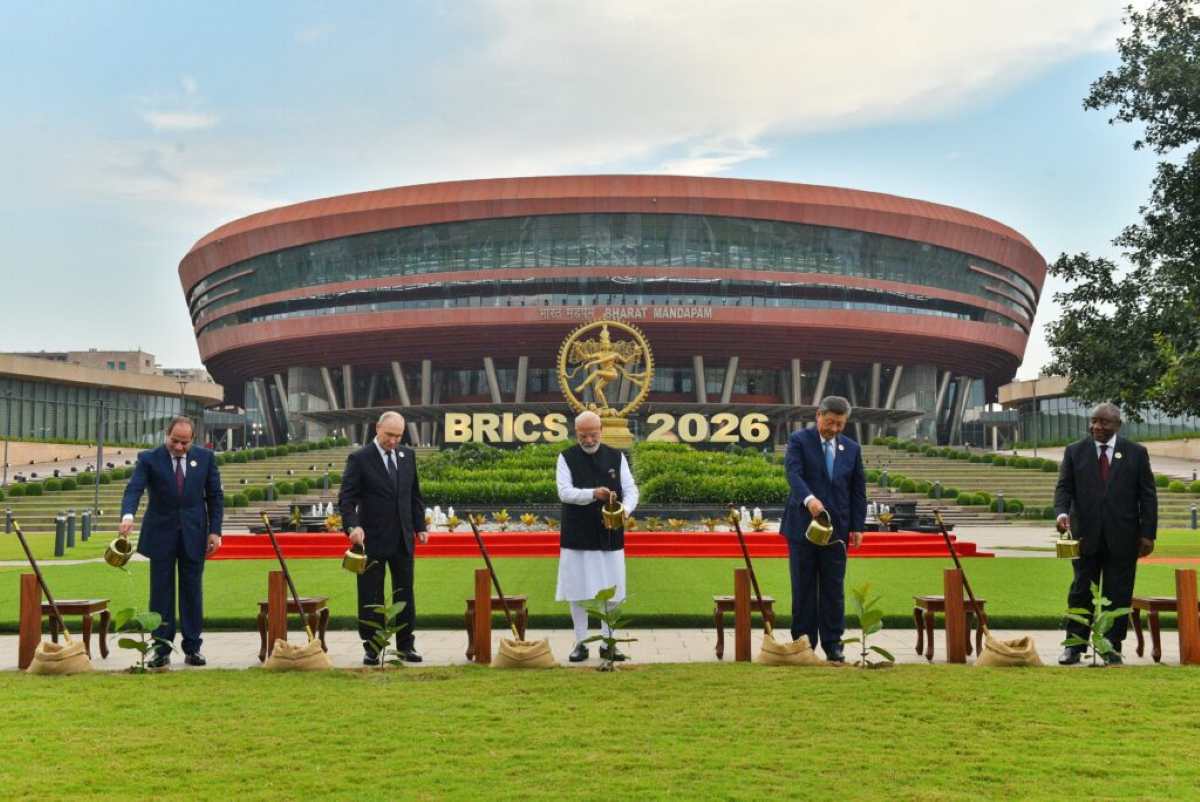
The 18th BRICS Summit held in New Delhi marked a pivotal milestone in international diplomacy, where leaders from emerging economies converged to reshape multilateral frameworks. Amidst evolving geopolitical landscapes, cultural diplomacy and intergovernmental solidarity were placed at the forefront of global discourse. The event witnessed the unanimous adoption of the New Delhi Declaration, an expansive blueprint designed to transcend traditional economic parameters. By focusing heavily on civilizational dialogue, the member states sought to build upon prior cooperative achievements while addressing contemporary global challenges. This historic gathering emphasized that sustainable international growth relies fundamentally on mutual respect for diverse heritages, shared educational objectives, and inclusive societal frameworks.
The newly unveiled framework carries substantial implications for international travellers, tourists, and cultural explorers. Tourism was formally recognized as a vital catalyst for economic diversification, local livelihood support, and foreign exchange generation. Consequently, streamlined visa facilitation processes, enhanced connectivity, and cooperative tourism initiatives are anticipated across member nations. Travellers can expect enriched cross-cultural experiences, improved heritage preservation sites, and greater ease of mobility. Furthermore, initiatives prioritizing sustainable and responsible tourism are projected to transform regional itineraries, making international exploration more structured, inclusive, and educationally rewarding for visitors from diverse backgrounds.
Advertisement
From an industry perspective, the summit outcomes herald a transformative era for multiple sectors, including education, tourism, labor, and creative economies. Stakeholders in higher education benefit directly from reinforced commitments established during the 13th BRICS Education Ministers’ Meeting in Bhubaneswar, facilitating joint research and academic mobility. Similarly, the commercial and entrepreneurial sectors—bolstered by the Business Council, Women’s Business Alliance, and Think Tank Council—are poised to experience accelerated public-private synergies. Industry experts note that the emphasis on human capital development, labor rights, and youth-led innovation will foster a highly resilient economic environment suited for long-term collaborative ventures.
For individuals engaging with the outcomes of the summit, specific operational guidelines and logistical frameworks have been outlined to facilitate seamless participation.
Advertisement
When evaluated against previous iterations of multilateral agreements, the framework established at the New Delhi Summit represents a paradigm shift from purely macroeconomic cooperation to deeply integrated societal connectivity. Earlier declarations primarily emphasized trade balances, financial institution building, and geopolitical security. In sharp contrast, the current framework institutionalizes multilateralism through structural mechanisms such as the Parliamentary Forum, Youth Council, and specialized ministerial pacts on women-led development. This structural evolution demonstrates a mature, human-centric approach that seeks to bridge institutional policies with grassroots community engagement, thereby ensuring lasting solidarity among member states.
Official Image Credits- https://www.brics2026.gov.in/gallery/
Advertisement
Advertisement
Advertisement














Saturday, September 12, 2026

Saturday, September 12, 2026

Sunday, September 13, 2026

Sunday, September 13, 2026

Sunday, September 13, 2026

Saturday, September 12, 2026

Sunday, September 13, 2026

Saturday, September 12, 2026