
Cuba’s Tourism in 2026 Balances Recovery, Visitor Losses, Visa Access, New Opportunities and Ongoing Challenges: Can the Caribbean Nation Regain Its Global Travel Appeal?

Published
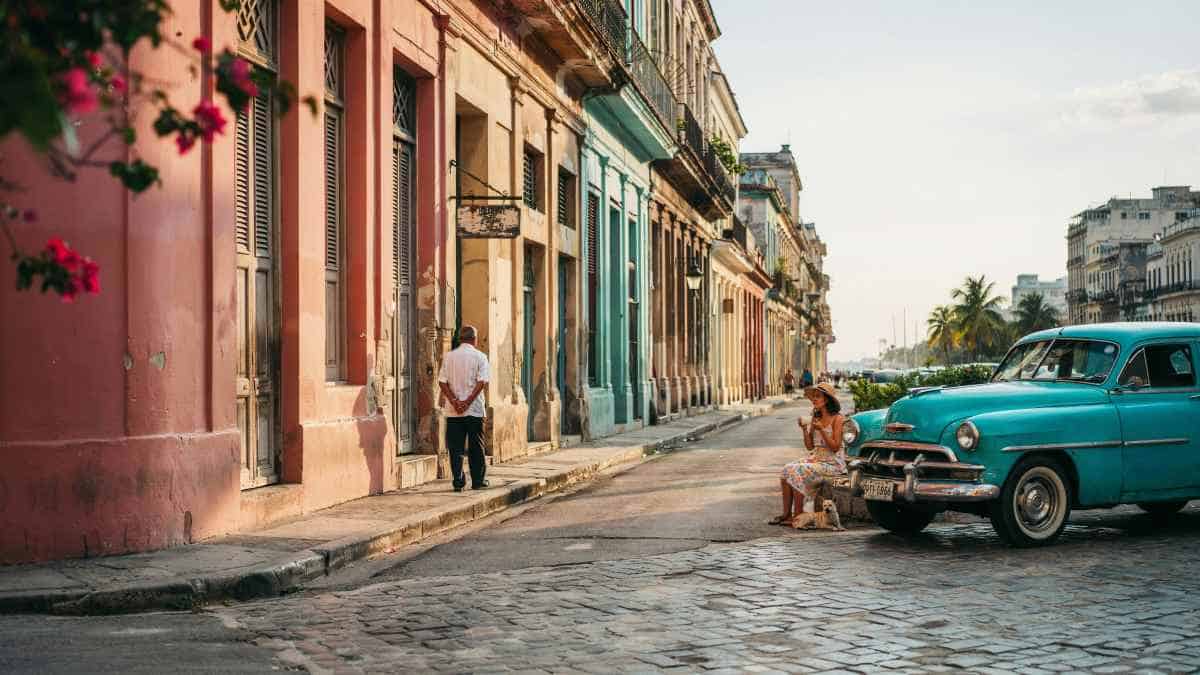
Cuba remains one of the Caribbean’s most distinctive travel destinations, blending colonial architecture, classic American cars, white-sand beaches and a rich cultural heritage. Yet in 2026, the country’s tourism industry is navigating one of its most complex periods in decades. While authorities continue introducing measures to attract international visitors and diversify tourism markets, the island is also dealing with lower-than-expected visitor arrivals, economic constraints and infrastructure pressures.
The result is a tourism landscape defined by both opportunity and challenge. From expanded digital visa systems and growing interest from emerging markets to hotel investments and ongoing concerns over transport and electricity, Cuba’s tourism sector is evolving as it seeks a stronger recovery.
Advertisement
Advertisement
Tourism Recovery Continues, but Growth Remains Uneven
Cuba has continued working to rebuild its visitor economy following the severe disruption experienced during the pandemic years.
While international arrivals have improved compared with the lowest post-pandemic levels, overall visitor numbers remain below the country’s historic tourism peaks. Traditional source markets, particularly Canada, continue to supply a significant share of visitors, while authorities are pursuing greater diversification by targeting travellers from Latin America, Europe and Asia.
Advertisement
Advertisement
Government agencies and tourism stakeholders remain focused on increasing arrivals through destination marketing, improved air connectivity and new tourism products.
Visitor Losses Continue to Challenge the Sector
Despite ongoing recovery efforts, Cuba has experienced slower tourism growth than several competing Caribbean destinations.
Advertisement
Advertisement
Multiple factors have contributed to the softer performance:
- Reduced international airline capacity on certain routes.
- Global inflation affecting travel budgets.
- Economic uncertainty in major source markets.
- Competition from destinations offering wider resort choices.
- Domestic infrastructure challenges.
Lower visitor numbers have affected hotel occupancy, tourism revenue and employment across parts of the hospitality sector, encouraging authorities to introduce new promotional strategies.
Visa Access Continues to Improve
One positive development has been Cuba’s modernisation of its visitor entry process.
The country has increasingly adopted digital travel authorisation systems, making the application process more convenient for many international travellers. Depending on nationality, visitors can obtain the required electronic travel authorisation or tourist card before departure.
In global passport and visa-access rankings, Cuba maintains relatively moderate international mobility. However, entry requirements for travellers visiting Cuba are generally straightforward compared with many long-haul destinations, particularly for leisure tourists arriving through organised holiday packages.
Travellers should always verify the latest entry requirements before departure, as visa policies may change.
Advertisement
Advertisement
New Tourism Benefits Supporting Recovery
To strengthen competitiveness, Cuba continues investing in several tourism initiatives.
Key developments include:
- Expansion of digital visitor services.
- Continued investment in beachfront resorts.
- Growth of boutique hotels and private guesthouses (casas particulares).
- Increased promotion of heritage and cultural tourism.
- Development of eco-tourism experiences.
- Improved cruise and marina infrastructure where operationally feasible.
Authorities are also encouraging longer visitor stays by promoting multi-destination itineraries that combine beaches, history, music and nature.
Infrastructure Challenges Remain
Infrastructure remains one of the industry’s biggest challenges.
Travellers may experience:
- Occasional electricity disruptions.
- Limited internet connectivity in some areas.
- Transport delays.
- Fuel shortages affecting domestic travel.
- Limited availability of certain consumer goods.
Most international resorts continue operating with contingency arrangements, but visitors travelling independently should remain flexible when planning itineraries.
Advertisement
Advertisement
Safety and Travel Considerations
Cuba generally continues to experience relatively low levels of violent crime against tourists compared with many destinations in the region.
Nevertheless, visitors should exercise normal travel precautions, including:
- Protecting valuables.
- Using licensed taxis.
- Carrying sufficient cash, as international card acceptance can be inconsistent.
- Purchasing comprehensive travel insurance.
- Monitoring official travel advisories before departure.
Travellers should also prepare for tropical weather conditions during the Atlantic hurricane season, which typically runs from June through November.
Tourism Hotspots Continue to Attract Visitors
Despite industry challenges, Cuba’s leading attractions remain popular.
These include:
- Havana, renowned for Old Havana (UNESCO World Heritage Site), vibrant nightlife and historic architecture.
- Varadero, famous for its beaches and all-inclusive resorts.
- Trinidad, one of the Caribbean’s best-preserved colonial towns.
- Viñales Valley, known for tobacco farms and dramatic limestone landscapes.
- Cayo Coco and Cayo Santa María, celebrated for pristine beaches and marine tourism.
- Santiago de Cuba, offering rich Afro-Cuban history and music.
Practical Travel Information
International travellers typically arrive through:
Advertisement
Advertisement
- José Martí International Airport (Havana) – approximately 18 km from Old Havana.
- Juan Gualberto Gómez Airport (Varadero) – about 35 km from Varadero’s hotel zone.
- Abel Santamaría Airport (Santa Clara) – serving central Cuba and nearby cayos.
- Frank País Airport (Holguín) – gateway to eastern Cuba.
Accommodation ranges from international hotels to locally operated casas particulares, offering visitors a more authentic cultural experience.
Key Stats
- Tourism recovery continues but remains below pre-pandemic highs.
- Canada remains Cuba’s largest international visitor market.
- Digital entry processes have simplified travel for many visitors.
- Investment continues in hotels, cultural tourism and eco-tourism.
- Infrastructure constraints remain a key operational challenge.
- Tourism remains one of Cuba’s most important sources of foreign exchange earnings.
Timeline and Events
- 2026: Tourism recovery efforts continue with destination diversification.
- Ongoing: Investment in hospitality and visitor services.
- Year-round: Expansion of cultural, heritage and nature tourism experiences.
- Atlantic Hurricane Season: June–November.
FAQ
Is Cuba’s tourism industry recovering?
Yes. Visitor numbers continue to improve compared with pandemic lows, although recovery has been slower than in several competing Caribbean destinations.
Do travellers need a visa to visit Cuba?
Many visitors require an electronic travel authorisation or tourist card, depending on their nationality. Requirements vary, so travellers should confirm the latest rules before departure.
What are the biggest challenges for tourists?
Visitors should be prepared for occasional infrastructure issues such as power outages, transport delays, limited internet access and fluctuating availability of goods and services.
Conclusion
Cuba’s tourism industry in 2026 reflects a destination balancing optimism with reality. The country continues to invest in digital entry systems, hospitality infrastructure, eco-tourism and cultural experiences while working to attract a broader mix of international visitors. At the same time, slower visitor growth, infrastructure constraints and strong regional competition continue to weigh on the pace of recovery. For travellers, Cuba still offers one of the Caribbean’s most distinctive cultural and historical experiences, from the colourful streets of Havana to the beaches of Varadero and the heritage of Trinidad. Those who plan ahead, remain flexible and stay informed about local conditions can still enjoy a rewarding journey while witnessing a destination steadily adapting to a changing global tourism landscape.
Advertisement
