Published on March 2, 2026

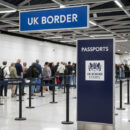
Image generated with Ai
As the Middle East continues to navigate airspace restrictions and travel disruptions due to ongoing geopolitical tensions, Malaysia has stepped up to collaborate with countries like Israel, Iraq, Jordan, Qatar, Bahrain, Kuwait, UAE, Saudi Arabia, and Syria. Together, these nations are working closely with international aviation and tourism authorities to address the severe mobility issues arising from the closure of key airspaces and the ongoing conflict in the region.
In response to these challenges, Malaysia, alongside the aforementioned countries, is taking significant steps to ensure that air travel routes are gradually restored and rerouted to safer alternatives. By engaging with global aviation bodies such as the International Civil Aviation Organization (ICAO), and regional regulators, Malaysia aims to play a pivotal role in mitigating travel chaos, providing necessary operational updates, and facilitating smoother transit for travelers who are affected by these disruptions.
In response to ongoing airspace restrictions in the Middle East, Malaysia Airlines has temporarily suspended several flights connecting Kuala Lumpur to Doha, Jeddah, and Madinah. This action, which took place from 28 February to 1 March 2026, was triggered by the temporary closure of parts of Middle Eastern airspace following escalating geopolitical tensions in the region. While the suspension is precautionary, the airline is committed to ensuring passengers’ safety and offering alternative travel options.
The decision to suspend flights came as several Middle Eastern nations, including Iran, Israel, Iraq, and others, closed portions of their airspace. These closures are part of a broader effort to ensure the safety of civil aviation amid the ongoing conflict in the region. As a result, Malaysia Airlines has taken proactive steps to mitigate risks, prioritizing the safety of its passengers and flight crew. The airline’s actions align with broader guidance from regulatory bodies that urge carriers to avoid high-risk areas.
Advertisement
Advertisement
The Kuala Lumpur-Doha, Kuala Lumpur-Jeddah, and Kuala Lumpur-Madinah routes have been temporarily halted for the period of 28 February to 1 March 2026. Malaysia Airlines has clarified that not all flights on these routes were affected, but several services, including specific flight numbers, were cancelled. The airline has indicated that this suspension is a temporary measure, and flight operations will resume as airspace conditions and security assessments evolve.
The airline’s decision reflects its commitment to maintaining the safety of its passengers and responding to real-time risk assessments related to ongoing regional developments.
Advertisement
Advertisement
Passengers affected by the suspension of these flights are being actively contacted by Malaysia Airlines. The airline is offering several options for those impacted, including:
Malaysia Airlines has encouraged passengers to ensure that their contact details are up-to-date through the “My Booking” section on the airline’s official website. This allows the airline to send real-time notifications about any changes or developments regarding the flight status.
For additional assistance, the airline’s Global Contact Centre is available 24/7 at 1 300 88 3000 (within Malaysia) and +603 7843 3000 (for international inquiries).
While the suspension impacts several key Middle Eastern routes, Malaysia Airlines has confirmed that flights to London Heathrow and Paris Charles de Gaulle continue to operate. However, in response to airspace closures, these long-haul services have been rerouted, avoiding affected Middle Eastern corridors. This rerouting is a common safety practice, enabling airlines to maintain connectivity while bypassing conflict zones.
Passengers traveling to Europe on these routes are advised to monitor their bookings closely, as last-minute changes to flight schedules, gate assignments, or departure times are possible. The airline has emphasized that despite the rerouting, safety remains the top priority for all operations.

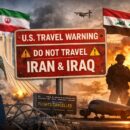
Image generated with Ai
The ongoing geopolitical tensions have far-reaching consequences for the global aviation industry. Major air hubs like Dubai International and Ben Gurion Airport in Israel, as well as airports in Iran and other Gulf states, have experienced significant operational disruptions. Airlines operating in and around these regions are faced with the challenge of rerouting flights, leading to additional costs in fuel, extended flight times, and passenger delays.
As a result, thousands of flights have been cancelled, rerouted, or delayed, stranding travelers and creating a ripple effect across the aviation network. Travel insurers and regulators are classifying this disruption as a major event, advising passengers to stay informed and adjust their travel plans as necessary.
The Civil Aviation Authority of Malaysia (CAAM) has issued several advisories, reinforcing the importance of safety for all airlines operating in the region. Malaysia’s regulators are closely monitoring the situation and working in coordination with international aviation bodies like the European Union Aviation Safety Agency (EASA). The CAAM has instructed airlines to keep passengers informed of any changes to flight schedules and to provide care options, including rebooking and refunds, in line with national consumer protection laws.
For passengers traveling to or from the Middle East, it is strongly recommended to consult official airline channels and government advisories regularly to stay informed of any travel restrictions or changes.

Image generated with Ai
The ongoing airspace crisis in the Middle East is not isolated to Malaysia Airlines. Dozens of countries across Europe, Asia, and North America are impacted by the closures and restrictions enforced by Middle Eastern states. Airlines from Europe, Asia, and other regions have been forced to cancel or reroute flights, resulting in significant travel chaos. Countries like Iran, Iraq, Israel, Qatar, and others have closed parts of their airspace, which is forcing airlines to adjust long-haul flights that would typically pass through these regions.
The European Union and India, for example, have issued guidelines for their carriers to reroute flights, avoiding high-risk areas in the Middle East. The result has been widespread flight cancellations, delays, and long diversions, especially for flights traveling between Europe and Asia, two regions that rely heavily on Middle Eastern air corridors for efficient travel.
Travelers heading to or from the Middle East in the coming days are urged to stay updated on the latest advisories from their airlines and government bodies. With the airspace crisis in full swing, it’s critical for passengers to monitor their flight status regularly and to verify the status of each leg of their journey, especially if connecting through regional hubs.
As airspace closures continue to affect key routes, airlines and governments worldwide are collaborating to mitigate disruptions and provide alternative solutions to ensure passenger safety.
Advertisement


















Monday, March 2, 2026
Monday, March 2, 2026
Monday, March 2, 2026
Monday, March 2, 2026
Monday, March 2, 2026
Monday, March 2, 2026

Monday, March 2, 2026