Published on December 10, 2025
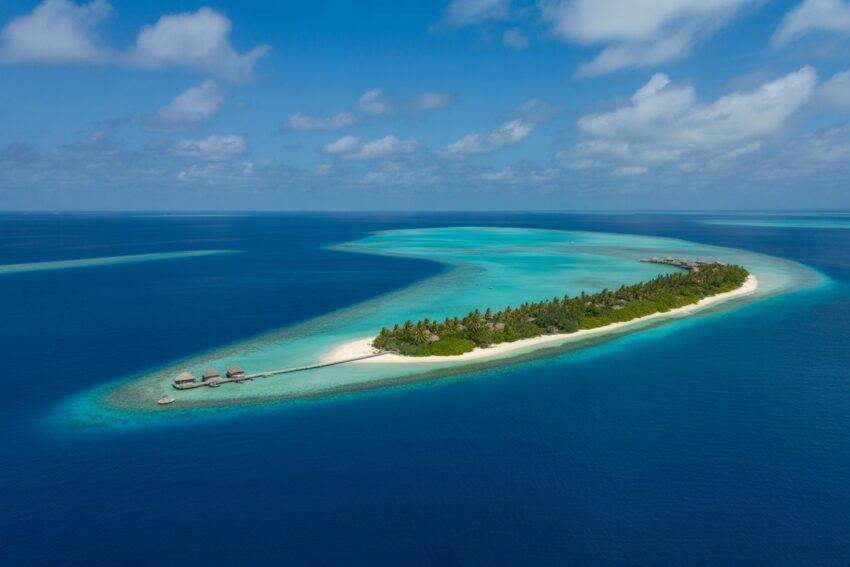
Image generated with Ai
The Maldives, a place that has attracted beach lovers and underwater adventurers for a long time, has approved the sixteenth amendment to the Maldives Tourism Act on 6 December 2025, thereby declaring a significant change in the regulation of tourism, resorts, guesthouses and tour operators. The implication for tourists is an implicitly changed picture, from the places you might stay to how and by whom tours are arranged.
In human terms: this change aims not only to modernise how tourism is managed, but also to ensure that tourism benefits local communities more directly, while offering new opportunities for state-run enterprises and training resorts.
Under the new law, tourist services regulated by the Act have been redefined. Water-sports and dive-centres are now explicitly listed as regulated tourism services, giving the government clearer oversight over activities that often draw adventurous holiday-makers. Interestingly, resort hotels have been removed from the specific section that defines tourism services, though they remain covered elsewhere in the law.
A novel category, Tourism Training Resorts has been introduced. These resorts will behave much like conventional resorts but will include structured training facilities. The objective appears to be to professionalise hospitality training on-site. Lease, development and operational regulations for these training resorts will follow soon.
Advertisement
For resort developers whose leases are due to expire, there is a special six-month window from 6 December 2025 to 5 June 2026 during which they may apply to extend leases under favourable (reduced-fee) terms. This may encourage some resorts to commit to longer-term plans.
For resorts currently under construction, the amendment spells out how construction-period extensions may be granted. Rather than penalising delays automatically, developers may now choose to contribute payments to a Tourism Trust Fund or invest in state-designated public projects (as part of corporate social responsibility) or pay a fee. This provides more flexibility while seeking compliance.
Advertisement
Advertisement
Perhaps most relevant for international tourists: any foreign tour operator that sells or facilitates Maldives travel packages must now have a valid Foreign Tour Operator Licence and must partner with a locally licensed operator under a formal affiliation agreement.This formalises the role of foreign agencies and ensures responsibility lies with local partners.
On inhabited islands or within city jurisdictions, the law prohibits full-scale resort developments. Only guesthouses or hotels may be built there. Revenue generated by these accommodations will now go directly to the island or city council concerned. At the same time, the amendment widens eligibility for lease allotment to state-owned enterprises (SOEs) provided they meet financial and professional capacity requirements.
To strengthen compliance, operating tourism services without the appropriate licence may now attract a fine of up to MVR 1,000,000; continuing violations may incur daily fines of MVR 100,000.
For you, as a tourist planning a Maldives getaway, the Amendment has practical implications.
The shift also suggests possible changes in availability: with some developments limited on inhabited islands, demand for resort-islands may shift; new SOE-run resorts or training resorts may appear over time, potentially offering novel types of stays.
Finally the reopening of the lease-extension window may lead to renovation or redevelopment of some resorts, which could mean improved facilities or temporary closures. So it’s wise to check with your travel operator or resort on the status if you have bookings in 2026.
The 16th Amendment lays down a broad legislative framework. But many of the details crucial for day-to-day tourism, such as fee formulas, standards for the Tourism Training Resorts, CSR obligations, and specific licence-issuance procedures will depend on regulations due to be published within 90 days from enactment.
Until these regulations come out, there may be a period of uncertainty. Tour operators, resorts and guesthouses may need to adjust operations, and travellers should double-check licences and affiliations when booking.
Local councils, too, will begin receiving tourism revenues from guesthouses and hotels which could influence how inhabited-island tourism develops over the coming years.
For tourists seeking more than just luxury resorts, the Amendment might encourage growth in locally rooted guesthouse stays and low-key island visits. Because guesthouse-hotel revenue will now benefit local councils, there is likely to be more community buy-in, and perhaps more support for infrastructure, local-culture projects, and sustainable island living.
The formal recognition of dive-centres and water-sport operators under regulated tourism services may lead to improved safety standards, clearer licensing and better-managed marine activities which could be a boon for scuba divers, snorkelers and adventure-seekers.
And with the introduction of Tourism Training Resorts, Maldives might begin to see hospitality facilities staffed by better-trained, professionally skilled staff, translating into higher service standards for visitors.
Maldives remains a paradise for travellers. This 2025 update to the Tourism Act signals not a retreat, but a recalibration, one that aims to balance resort-style luxury, local-island authenticity, environmental and regulatory responsibility, and long-term viability of tourism.
It’s a wake-up call for tourism: opt for the service of licensed tour operators, follow the rules of the respective local islands, and bear in mind that the Maldives of 2026 might feel slightly different: maybe more regulated, more involved with local government and probably more considerate of the local people and nature.
Advertisement
Tags: maldives, Maldives Tourism Act, resorts, Tourism


















Sunday, March 1, 2026

Sunday, March 1, 2026

Sunday, March 1, 2026