Published on March 3, 2026

Image generated with Ai
The ongoing conflict in the Middle East, particularly following the US-Israel military strikes on Iran, has led to widespread airspace closures across multiple Middle Eastern states. Countries including Iran, Iraq, Israel, Qatar, Kuwait, Bahrain, and the UAE have shut down their civilian skies, resulting in one of the largest airspace shutdowns in global aviation history. This disruption is comparable in scale, though different in cause, to the 2010 European ash cloud incident, which had a massive effect on international air travel.
The closure of these critical airspaces has had far-reaching consequences, severely affecting flight schedules, tourism, and global travel patterns. The aviation and tourism sectors, two industries that are deeply interconnected, have faced substantial disruptions, and the full extent of the economic and long-term impacts is still emerging. This article will delve into the impact on the aviation and tourism industries, particularly focusing on the Middle East, Europe, and the United States, providing a comprehensive analysis of the crisis’s effects.
The immediate effect of the airspace closures has been the cancellation or diversion of over 3,400 flights globally. Major European airports such as London Heathrow, Paris Charles de Gaulle (CDG), and Frankfurt Airport have reported massive cancellations and reroutes, as airlines are forced to avoid flying through closed or conflict-affected airspace. This has caused major disruptions to air travel, especially for passengers flying from Europe and the United States to Middle Eastern destinations or transiting through the region.
Key Middle Eastern hubs, including Dubai International, Abu Dhabi’s Zayed Airport, and Doha’s Hamad International, have also been directly impacted. The closures have effectively severed major global air routes and led to considerable congestion at remaining operational airports, further straining international travel networks. The consequences of these disruptions have been felt not only by airlines but also by travelers who have had their flights either cancelled or delayed indefinitely.
Advertisement
In response to the airspace closures, airlines have been forced to reroute flights around volatile regions. Many airlines have opted to use longer northern corridors over Russia and the Caucasus or to deepen their flight paths over Africa and Europe. These alternative routes add hours to flight times, increasing fuel consumption, crew costs, and operational complexities. European and American carriers have either suspended or limited their flights to many Middle Eastern destinations entirely, including popular cities such as Dubai, Doha, and Tel Aviv.
The impact of these reroutes has extended beyond just flight delays. Tourism flows to Europe and the United States have been disrupted, with inbound visitor schedules facing significant delays, missed connections, and cancelled itineraries. The airline chaos is not limited to just passenger flights; the disruptions have had ripple effects throughout the broader travel and tourism sectors.
Advertisement
Advertisement
The aviation industry has been severely impacted by these disruptions, with flight cancellations, rerouting, and suspensions affecting both European and US travel operations. The shutdown of major Middle Eastern hubs and the subsequent flight changes have led to massive disruption for airlines, travel agencies, and passengers.
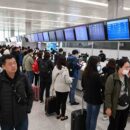
Thousands of passengers have been stranded due to sudden flight suspensions and airport closures, affecting international travel between Europe, the US, and the Middle East.
Advertisement
Advertisement
Key impacts include:
In addition to individual airline suspensions, international alliances have had to rearrange connections, which has significantly impacted Europe–Asia and US–Asia services. These flight suspensions and reroutes have created a knock-on effect on tourism flows, particularly affecting inbound travelers to Europe and the US. Many travelers have had their itineraries cancelled or delayed, leading to a significant reduction in the number of international visitors to these regions.
The aviation disruptions have had a ripple effect throughout the entire travel and tourism industries, including hotels, tour operators, and other destination services. The broader tourism sector is feeling the effects of the Middle East crisis, with significant impacts on tour operators, hotels, and other services that rely on stable flight operations and international tourist arrivals.
With flights cancelled and airports shut down, thousands of tourists have found themselves stranded in airports or hotels, with unclear exit plans. This has created significant logistical challenges for travel companies and operators, as well as reputational issues for the brands involved. European tour operators such as TUI and Dertour have cancelled Middle Eastern excursions and cruises due to the instability caused by the ongoing conflict.
These disruptions have led to widespread lost bookings across the tourism sector. Tourists are hesitant to travel to or through regions affected by the conflict, leading to a downturn in future season bookings. As uncertainty continues, many travellers are choosing to delay or cancel their trips, fearing further disruptions to their travel plans.
Wider Aviation Network Impacts
The crisis in the Middle East has affected not only direct flights between Europe and the Middle East but also the wider global aviation network. Airlines across the world have had to adjust their operations, which has led to broader disruptions in international travel and tourism.
Even flights that do not enter the Middle East have been affected by the crisis. Airlines are now being forced to reroute flights around hostile airspace, which has added hours to flight times between Europe, the US, and Asia. The increase in flight duration has led to higher fuel consumption, additional crew costs, and increased airport handling fees.
Industry analysts have warned that these longer reroutes could drive up ticket prices for both leisure travelers and business flyers. Airlines will likely pass on these increased operational costs to passengers in the form of higher ticket prices.
Even legacy routes that pass near conflict zones are under review due to safety risks and insurance liabilities. These factors add further strain on airlines and their customers, as both face uncertainties regarding safety, scheduling, and pricing.
The broader economic consequences of the airspace closures and tourism disruptions are becoming more apparent as the travel and aviation sectors face significant financial losses.
The financial performance of the travel industry has taken a considerable hit, with European and global aviation stocks falling sharply. This reflects investor concern about the ongoing conflict and its prolonged impact on the aviation and tourism sectors.
Travel platforms and carriers are now reporting revenue warnings linked directly to the disruptions caused by the conflict and the airspace closures. This uncertainty has caused declines in hotel bookings, tour operators, regional airports, and employment in travel services.
Governments have issued urgent travel advisories for citizens, urging them to avoid or leave the Middle East due to the escalating conflict. These advisories have had a direct effect on tourism demand for the region, particularly for long-term bookings and future travel plans.
Such travel advisories and evacuations have not only deterred leisure travel to the Middle East but also impacted long-term tourism demand for the region. These advisories also affect indirect routes through European hubs, as many tourists would be reluctant to travel via countries with heightened security concerns.
A significant challenge for both travelers and travel agencies has been the lack of protection for disruptions caused by war or military conflict. Many travel insurance policies do not cover these types of disruptions, particularly those caused by military actions.
Authorities in the EU and the UK have urged consumers to check their insurance policies carefully to ensure they are adequately protected against potential cancellations or changes in travel plans.
As the ongoing conflict and resulting instability continue, tourists may find themselves responsible for extra hotel nights or reroute costs, leading to further financial uncertainty. This has dampened consumer confidence in travel planning, and travelers have become more conservative, postponing or cancelling future bookings.
Even regions that are not directly impacted by the conflict in the Middle East are feeling the effects of the airspace closures and broader disruptions.
European destinations that typically rely on long-haul visitors may see a decline in bookings, as travelers choose to avoid complicated international travel routes. The conflict has made international journeys more challenging, leading to delays, cancellations, and disrupted plans.
In the US, booking patterns indicate that travelers are postponing or cancelling multi-leg itineraries that involve stopovers in the Middle East. This will likely affect demand for outbound tourism to Asia and Europe, as travelers seek alternative routes that do not pass through affected regions.
Regions requiring transit through affected corridors are especially vulnerable to ongoing disruptions, leading to a wider decrease in travel demand across international tourism.
The ongoing conflict could trigger significant structural changes in global airline route planning. Airlines may shift towards developing new non-Middle Eastern routes between Europe, the US, and Asia to avoid the risks associated with flying through volatile airspace.
This could lead to regional hubs outside volatile areas gaining market share over traditional Middle Eastern gateways like Dubai, Doha, and Abu Dhabi. These shifts may redirect traffic and change the flow of tourism economies globally, which could have long-term effects on airline partnerships, tourism growth, and destination exposure.
| Impact Category | Direct Effect | Implications |
| Airspace Closures | Middle Eastern skies shut | Flight cancellations, stranded passengers |
| Network Disruption | Airline suspensions | Reroutes, higher costs, ROI pressure |
| Tourism Demand | Travel advisory issuance | Reduced bookings, cautious travellers |
| Economic | Share price shocks | Industry confidence loss |
| Consumer Rights | Policy exclusions | Insurance challenges for travellers |
| Long-Term Routes | Structural network redesign | Competitive shifts away from Middle East hubs |
The Middle East crisis has caused massive disruptions in the aviation and tourism industries across Europe, the US, and the Middle East. From flight cancellations to tourism booking losses and economic downturns, the aviation and tourism sectors face a challenging future. This crisis could potentially reshape global air travel networks, as airlines and travelers alike are forced to adapt to new realities. The full extent of the economic loss, long-term industry restructuring, and tourism impact will unfold over time as official data and global trends emerge.
Advertisement
Tags: airspace closures, Aviation industry, Europe travel impact, flight cancellations, global travel disruption


















Tuesday, March 3, 2026

Tuesday, March 3, 2026

Tuesday, March 3, 2026
Tuesday, March 3, 2026
Tuesday, March 3, 2026

Tuesday, March 3, 2026

Tuesday, March 3, 2026

Tuesday, March 3, 2026