
Matusadona National Park: A Rising Sustainable Tourism Destination In Zimbabwe

Published
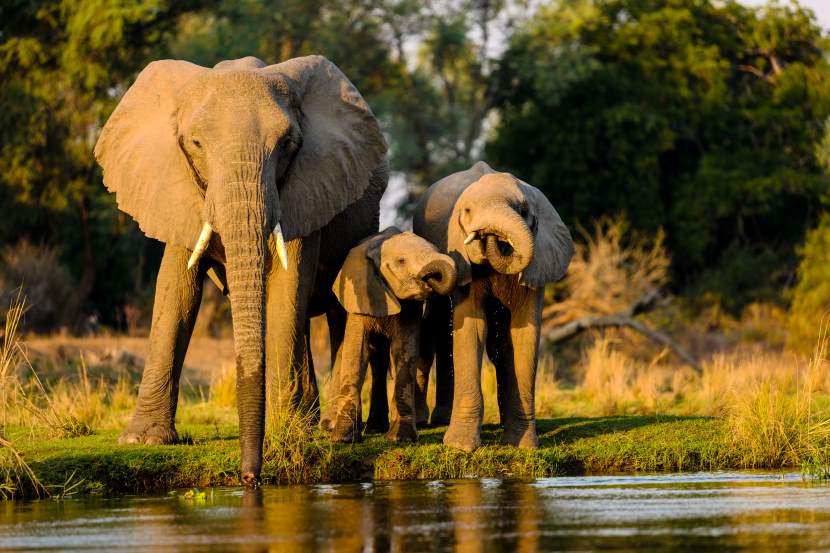 Image generated with Ai
Matusadona National Park, situated along the shores of Lake Kariba in Zimbabwe, is undergoing significant transformation aimed at positioning the park as a top-tier example of low-density sustainable tourism. A strong partnership between African Parks and the Zimbabwe Parks and Wildlife Management Authority, established in 2019, has yielded remarkable results in terms of conservation and community involvement. This partnership is helping ensure the park’s future as a sustainable and thriving eco-tourism destination, contributing significantly to local economies and the country’s broader tourism sector.
A Collaborative Approach to Conservation and Wildlife Protection
The co-management partnership between African Parks and Zimbabwe’s wildlife authority has led to groundbreaking efforts to combat elephant poaching and restore wildlife populations. Significant progress has been made in securing wildlife corridors, ensuring the safe passage of animals between protected areas, and fostering responsible natural resource management. Matusadona, once known for declining wildlife populations, has seen a dramatic revival due to enhanced anti-poaching measures and the reintroduction of key species.
Advertisement
Advertisement
The park now boasts increasing numbers of elephant herds, lion prides, and other large mammal populations, including sightings of leopards along the shoreline. These efforts to restore the ecosystem have been met with wide acclaim from conservation experts and wildlife enthusiasts alike.
Future Plans for Wildlife Reintroductions
One of the park’s most exciting developments is the planned reintroduction of black rhinos in 2026. The successful reintroduction of other wildlife, including eland, sable, and buffalo, has further strengthened Matusadona’s appeal as a premier wildlife destination. These efforts are not only a step forward in wildlife conservation but also a major draw for eco-tourists seeking unique and off-the-beaten-path experiences.
Advertisement
Advertisement
Tourism Growth and Its Impact on the Local Economy
Since African Parks’ involvement, the park has experienced a staggering 1,300% growth in revenue, much of which has been generated through tourism. This surge in tourism revenue is positively impacting the local community, providing employment opportunities and encouraging sustainable tourism practices. Matusadona’s low-density sustainable tourism model is helping maintain the delicate balance between visitor numbers and conservation, ensuring that the park remains a pristine and wild destination.
As tourism continues to grow, the park is also set to improve access, making it more accessible to travelers. The introduction of ferry networks on Lake Kariba and the launch of daily scheduled flights from Harare, alongside regular flights from Victoria Falls, will further enhance the park’s accessibility. While these developments promise to boost tourism, the park’s management is committed to maintaining its low-impact sustainable tourism model, ensuring that the park’s wild character is preserved for future generations.
Advertisement
Advertisement
New Tourism Products and Enhanced Experiences
In addition to traditional game viewing, Matusadona is diversifying its tourism offerings. New experiences such as guided walks, hiking, boating, and fishing are set to complement the park’s existing wildlife attractions. The park is also actively engaging with Lake Kariba’s growing houseboat industry, providing tourists with more ways to explore this stunning region.
Moreover, community-led tourism initiatives are being developed in nearby areas, further expanding opportunities for local involvement in conservation and tourism activities. This approach supports the long-term goal of making tourism a sustainable source of income for local communities while minimizing environmental impacts.
Balancing Tourism with Conservation Goals
A key component of Matusadona’s approach is maintaining the park’s authenticity. As a remote and relatively unvisited destination, it has remained largely untouched by mass tourism. Despite the growing interest, the park’s management remains committed to preserving its natural beauty and biodiversity. This commitment to low-density tourism ensures that visitors can experience the park’s unspoiled landscapes while supporting its conservation efforts.
Mike Pelham, the park manager, emphasized that the priority remains the conservation of the area’s unique ecosystem. He highlighted that although tourism is vital to the park’s economic success, it must never come at the cost of environmental integrity. The park’s planned sustainable tourism developments will always be centered around maintaining the principle of “conservation and communities first.”
Significance for the Broader Safari Industry
Matusadona’s success story is particularly important in light of the growing concerns about over-tourism in popular African wildlife destinations, such as the Serengeti. With increasing pressure on high-traffic parks, Matusadona provides a much-needed alternative for travelers seeking less crowded, more intimate wildlife experiences. The park’s relatively low visitor numbers allow it to maintain an environment where both wildlife and tourists can thrive.
By showcasing lesser-known destinations like Matusadona, Zimbabwe is encouraging tourists to explore off-the-beaten-path locations, thereby reducing pressure on more famous parks. This shift not only benefits the environment but also helps distribute the economic benefits of tourism more widely, supporting local communities and ensuring that more regions benefit from tourism’s economic impact.
Advertisement
Advertisement
Conclusion: A Promising Future for Matusadona and Zimbabwe’s Tourism Industry
Matusadona National Park is positioning itself as a premier sustainable tourism destination that blends wildlife conservation with sustainable tourism practices. The park’s ongoing development, which includes the reintroduction of key species and the expansion of tourism offerings, promises to attract eco-conscious travelers seeking authentic and remote safari experiences.
As Zimbabwe continues to invest in its sustainable tourism infrastructure, Matusadona’s success could serve as a model for other conservation areas across the continent, ensuring that tourism remains a force for good, both for local communities and the environment. With increasing tourism growth, better access, and continued dedication to conservation, Matusadona National Park is poised to become a key player in Zimbabwe’s tourism sector, benefiting both wildlife and local economies.
Advertisement
