Published on February 23, 2026

Image generated with Ai
The Winter Olympics have reshaped travel patterns across Northern Italy, with Milan emerging as a powerful magnet for global tourists. What began as a sporting celebration has quickly evolved into a wide-ranging travel and tourism phenomenon. Visitors are not only attending events. They are shopping, dining, exploring, and extending their stays. From city streets to alpine towns, the Olympic season is redefining how travellers experience Italy in winter.
The Winter Olympics linked to the Milano Cortina 2026 have triggered a sharp rise in visitor arrivals. Milan, as a key gateway city, has seen a noticeable increase in international footfall. Travellers from long-haul markets and neighbouring European countries arrived in large numbers. Many planned their trips around competition dates. Others used the Games as an excuse to finally visit Italy in winter. This mix of sport and leisure created a strong tourism wave that extended well beyond stadiums.
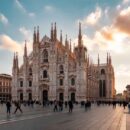
Milan’s appeal goes far beyond sport. The city offers culture, fashion, food, and history in a compact space. During the Olympic period, travellers treated Milan as a base. They explored landmarks during the day and attended events later. Museums, historic streets, and cultural venues recorded higher visitor interest. The Olympics gave first-time visitors a reason to choose Milan over traditional summer destinations. Winter travel suddenly felt exciting and exclusive.
One of the most striking outcomes has been the rise in visitor spending. Travellers invested heavily in fashion, accessories, dining, and premium experiences. Milan’s reputation as a style capital played a major role. Shopping districts thrived as visitors combined sightseeing with retail therapy. Restaurants and cafés experienced steady demand throughout the day. This spending pattern highlights a shift in traveller behaviour. Modern tourists want experiences, not just accommodation and transport.
Advertisement
The Olympic effect did not stay within city boundaries. Travellers moved easily between Milan and alpine locations. Mountain towns became essential parts of the winter journey. Visitors enjoyed snow sports, scenic stays, and wellness retreats. The ability to combine urban culture with mountain adventure made Northern Italy especially attractive. This dual experience encouraged longer stays and higher overall spending. For many tourists, the journey itself became part of the story.
Smooth transport played a vital role in the tourism boost. Efficient rail and road connections helped visitors travel between venues and destinations. Airports handled increased traffic without major disruption. Urban mobility in Milan allowed tourists to explore comfortably. Simple travel logistics reduced stress and encouraged spontaneous exploration. When movement is easy, visitors spend more time and money across multiple locations.
Advertisement
Advertisement
Traditionally, Italy’s tourism peaks in warmer months. The Winter Olympics changed that narrative. Winter is now seen as a premium travel season. Fewer crowds, festive energy, and special events made winter visits appealing. Milan demonstrated that cold weather does not limit tourism potential. Instead, it can enhance it when combined with global events. This shift could influence future travel planning for both tourists and operators.
The Olympic-driven tourism surge offers lasting advantages. Hotels, retailers, transport providers, and cultural attractions gained international exposure. Many visitors expressed interest in returning during other seasons. This repeat potential is crucial for sustainable tourism growth. Milan’s successful hosting experience strengthens its position as a year-round destination. The wider region also benefits from improved visibility on the global travel map.
For travellers, the message is clear. Major sporting events can unlock deeper travel experiences. Planning around such moments allows access to vibrant atmospheres and unique local energy. Milan’s Olympic season shows how sport, culture, and lifestyle can blend into one memorable journey. For future visitors, winter in Italy now offers more than expected. It offers discovery, excitement, and value.
As the Winter Olympics leave their mark, Milan stands as proof that travel thrives when sport, infrastructure, and destination appeal come together. Northern Italy has shown the world that winter tourism can be just as powerful as summer sun.
Advertisement















Monday, February 23, 2026

Monday, February 23, 2026

Monday, February 23, 2026

Monday, February 23, 2026

Monday, February 23, 2026
Monday, February 23, 2026
Monday, February 23, 2026
Monday, February 23, 2026


