





































UAE Outpaces Other GCC Countries with Over Nine Million Travellers, AI-Powered Biometric Borders as Passport-Free Tourism Expands: Is This the New Future of Global Travel?

Published
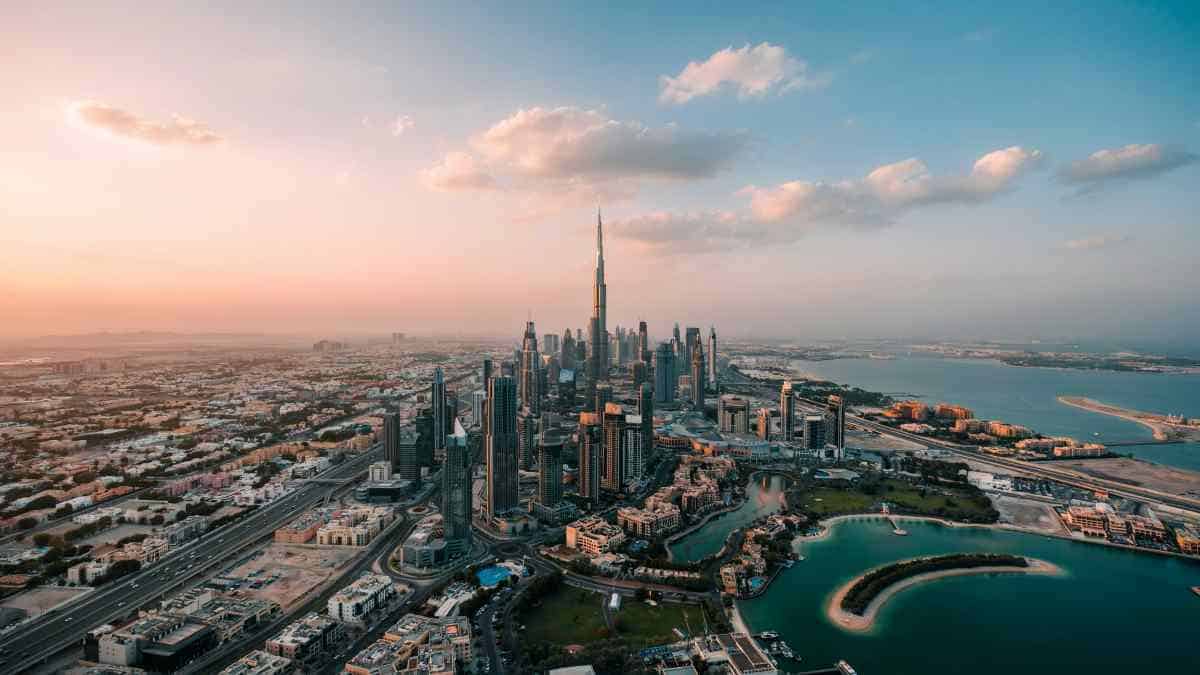
Image generated with Ai
Dubai is taking another major step towards becoming one of the world’s most technologically advanced travel destinations after the General Directorate of Residency and Foreigners Affairs (GDRFA) revealed that its next-generation AI-powered biometric border systems successfully processed more than 9.4 million travellers during the peak early summer travel period. Alongside this milestone, the emirate is expanding its contactless biometric hotel check-in programme, bringing Dubai closer to a seamless tourism experience where passports, paper documents and traditional check-in procedures are increasingly replaced by digital identity technologies.
Dubai Pushes Smart Travel to the Next Level
Let’s be honest—standing in immigration queues or waiting at hotel reception desks is hardly anyone’s favourite part of travelling.
Dubai is working to change that.
By integrating artificial intelligence with advanced biometric technologies, the emirate is creating a travel ecosystem where visitors can move more quickly through airports and complete accommodation check-ins with minimal physical documentation.
The latest figures released by the General Directorate of Residency and Foreigners Affairs (GDRFA) demonstrate how rapidly these systems are becoming part of everyday travel across the emirate.
Processing more than 9.4 million passengers during one of the busiest travel periods of the year highlights both the scale and reliability of Dubai’s smart border infrastructure.
AI and Biometrics Improve Border Processing
Border control has traditionally relied on passport inspections and manual identity verification.
Dubai’s latest systems use facial recognition, biometric authentication and artificial intelligence to streamline immigration procedures while maintaining security standards.
Rather than replacing border officers entirely, these technologies support faster identity verification and more efficient passenger movement through immigration checkpoints.
As international passenger numbers continue increasing, automated processing helps reduce waiting times while improving the overall airport experience.
For travellers, quicker border clearance means less time spent in queues and more time enjoying their destination.
More Hotels Introduce Contactless Check-In
The transformation extends beyond the airport.
Dubai is expanding its citywide biometric hotel check-in initiative, allowing participating hotels to verify guest identities using digital technologies rather than relying solely on traditional paperwork.
The contactless process simplifies arrival procedures while reducing administrative tasks for both guests and hotel staff.
Instead of completing lengthy registration forms, eligible travellers can move more efficiently from reception to their accommodation.
As more hotels adopt the technology, Dubai continues moving towards an integrated smart tourism ecosystem.
Tourism Benefits From Digital Innovation
Here’s something many travellers may not immediately notice.
Smart technology is becoming just as important as luxury hotels or iconic attractions when choosing destinations.
Visitors increasingly value convenience, speed and seamless digital experiences throughout their journeys.
From online visa applications and digital boarding passes to biometric immigration and hotel check-ins, travellers expect technology to simplify every stage of their trip.
Dubai’s continued investment in smart tourism positions the city to meet these evolving expectations while strengthening its competitiveness as a global destination.
Dubai Strengthens Its Position as a Global Aviation Hub
Dubai International Airport remains one of the world’s busiest international airports, serving millions of passengers travelling between Europe, Asia, Africa, Oceania and the Americas.
Managing such high passenger volumes requires continuous investment in technology and operational efficiency.
Biometric border systems help accommodate growing demand without proportionally increasing processing times, allowing airport infrastructure to handle larger numbers of international travellers more effectively.
The result is a smoother journey for tourists, business travellers and transit passengers alike.
Artificial Intelligence Is Reshaping Tourism
Artificial intelligence is rapidly becoming one of the tourism industry’s most influential technologies.
Beyond border control, AI now supports personalised travel recommendations, airport operations, customer service, hotel management and predictive tourism planning.
Dubai has consistently placed digital innovation at the centre of its tourism strategy, integrating emerging technologies across transport, hospitality and visitor services.
The latest biometric expansion reflects the emirate’s broader ambition to become one of the world’s smartest tourism destinations.
Supporting Future Tourism Growth
As global tourism continues expanding, destinations capable of delivering efficient visitor experiences are likely to gain a competitive advantage.
Reducing administrative processes not only improves passenger satisfaction but also increases operational capacity during peak travel periods.
With visitor numbers continuing to rise, digital identity solutions may become an increasingly important part of managing future tourism growth.
Dubai’s investments demonstrate how technology can support both convenience and operational resilience without compromising security.
Towards Passport-Free Tourism
Could passports eventually become unnecessary for parts of the travel journey?
While physical passports remain essential for international travel, Dubai’s expanding use of biometric verification suggests that many routine interactions—including border processing and hotel check-ins—may increasingly rely on secure digital identities.
This evolution represents another step towards a more connected, contactless and efficient tourism experience.
Although full passport-free international travel remains a longer-term objective, Dubai is already demonstrating what elements of that future could look like.
Key Stats
- GDRFA processed more than 9.4 million travellers using AI-powered biometric systems during the early summer peak.
- Dubai is expanding biometric contactless hotel check-in across the emirate.
- AI and facial recognition technologies are streamlining border processing.
- Dubai International Airport remains one of the world’s busiest international aviation hubs.
- Smart tourism continues to form a key pillar of Dubai’s long-term development strategy.
FAQ
1. What are Dubai’s biometric border systems?
They use artificial intelligence and biometric identity verification to speed up immigration processing while maintaining security standards.
2. How many travellers were processed?
According to GDRFA, more than 9.4 million travellers were processed during the peak early summer travel period.
3. What is biometric hotel check-in?
It allows participating hotels to verify guest identities using biometric technologies, reducing paperwork and creating a faster, contactless arrival experience.
Timeline and Events
Early Summer 2026 – GDRFA processes over 9.4 million travellers through AI-powered biometric border systems.
2026 – Dubai continues expanding biometric contactless hotel check-in across participating hospitality properties.
Conclusion
Dubai’s latest biometric milestone demonstrates how advanced technology is transforming international travel from arrival to accommodation. By processing more than 9.4 million travellers through AI-powered border systems and expanding contactless hotel check-ins, the emirate continues strengthening its reputation as one of the world’s leading smart tourism destinations. As digital identity technologies become more widely adopted, Dubai is positioning itself at the forefront of a future where seamless, secure and technology-driven travel experiences become the global standard.
