Published on February 15, 2026
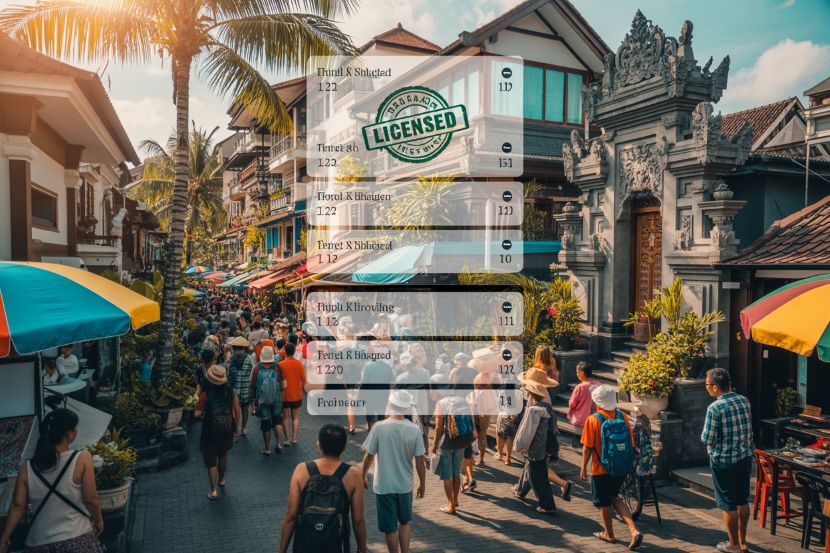
Indonesia’s tourism industry is about to undergo a significant transformation as the government introduces new regulations that aim to tackle the widespread issue of unregistered accommodation providers. These new rules will mandate that all hotels, villas, and short-term rentals secure valid licenses by March 2026 to stay active on major online travel agency (OTA) platforms like Airbnb and Booking.com. This move seeks to address the growing gap between the actual number of legally registered accommodations and those marketed online, aiming to improve safety, ensure tax compliance, and promote a fairer competitive environment.
This regulatory shift is especially important in popular tourist destinations such as Bali and Jakarta, where thousands of properties are currently operating without licenses. By enforcing stricter regulations, the Indonesian government hopes to create a more transparent and reliable tourism market for both travelers and businesses.
The need for these regulations became particularly clear during a government survey conducted in late 2025, which highlighted significant discrepancies in the number of accommodations operating online versus those registered with the authorities. In Bali, it was discovered that while over 29,000 non-hotel properties were listed online, only about 14,500 were legally registered. Similarly, Jakarta had around 5,000 unregistered properties listed on OTAs, with just 1,500 (approximately 28%) complying with the legal requirements.
This imbalance between registered and unregistered accommodations poses a series of challenges, from inaccurate data collection to difficulties in enforcing safety standards and service regulations. In addition, it creates an unfair competitive advantage for unlicensed properties, undermining the efforts of fully licensed hotels and accommodation providers.
Advertisement
Advertisement
For travelers, these new rules bring a much-needed sense of security and transparency to their booking process. With the growing popularity of short-term rentals, many tourists are unaware that some of the properties they book may not adhere to local safety or quality standards. The push for formal licensing and registration will ensure that only properties meeting government standards are available for booking on major platforms.
For the local economy, the regulation aligns with broader tax collection goals and the creation of a fairer playing field for legitimate accommodation providers. With unlicensed properties removed from booking platforms, travelers will have access to a more curated list of accommodations, all adhering to the same legal and safety frameworks. The government’s decision to focus on licensing and regulation instead of outright bans also means the country can embrace new trends in short-term rental accommodation while ensuring proper oversight.
Advertisement
Advertisement
The Indonesian government’s strategy involves requiring all accommodation providers to register via the Online Single Submission (OSS) system by March 31, 2026. Properties failing to comply will be delisted from major online travel platforms, making it a critical deadline for thousands of accommodation owners who rely on OTA exposure to attract customers.
This initiative is part of a broader effort to integrate short-term rentals and villas into the formal tourism economy. The Ministry of Tourism has coordinated efforts with regional governments and major booking platforms to ensure that accommodation providers understand the new licensing process and comply with the necessary regulations.
Advertisement
Advertisement
While there are differing opinions on how aggressively these rules should be enforced, with some calling for stricter measures, the government has made it clear that it favors a regulated market over blanket bans. This will ensure that the rapidly growing short-term rental sector can be harmonized with traditional accommodation providers in a way that benefits both business owners and tourists.
The new licensing rules are expected to affect accommodation markets well beyond Bali and Jakarta. Other popular tourist destinations across Indonesia will be subject to the same regulations, which will create a more streamlined and competitive accommodation sector. For travelers, this means better-quality options and improved transparency in their booking process.
In particular, regions like Yogyakarta, Lombok, and Surabaya, which have seen growing numbers of unlicensed properties in recent years, will now be more closely scrutinized. These areas may also experience a shift in accommodation options, with more licensed properties emerging to meet demand.
OTAs play a central role in the implementation of this regulation. Platforms such as Airbnb, Agoda, and Booking.com will be working closely with the Indonesian government to ensure that only registered properties remain listed. These platforms will be required to verify that the properties listed on their sites meet the necessary licensing requirements by the deadline.
This collaboration will help eliminate any remaining ambiguity around property listings and create a more uniform and legally compliant accommodation market. However, challenges may arise in areas where local governments lack the resources to properly enforce the new regulations. It will be crucial for both central and regional authorities to work together to ensure that the rules are implemented consistently across the country.
Indonesia’s move is part of a broader global trend toward stricter regulations for short-term rentals and tourism accommodations. Countries around the world are focusing on ensuring that all accommodation providers meet tax, safety, and licensing standards. As these changes unfold, Indonesia’s approach will likely serve as a model for other countries looking to regulate their rapidly growing short-term rental markets.
Advertisement
Tags: accommodation licensing, Bali regulations, indonesia tourism, Short-term Rentals, Travel Safety

















Sunday, February 15, 2026

Sunday, February 15, 2026

Sunday, February 15, 2026

Sunday, February 15, 2026

Sunday, February 15, 2026

Sunday, February 15, 2026

Sunday, February 15, 2026

Sunday, February 15, 2026