
Abu Dhabi Underground Corridor Transforms Regional Mobility and Commuter Safety

Published
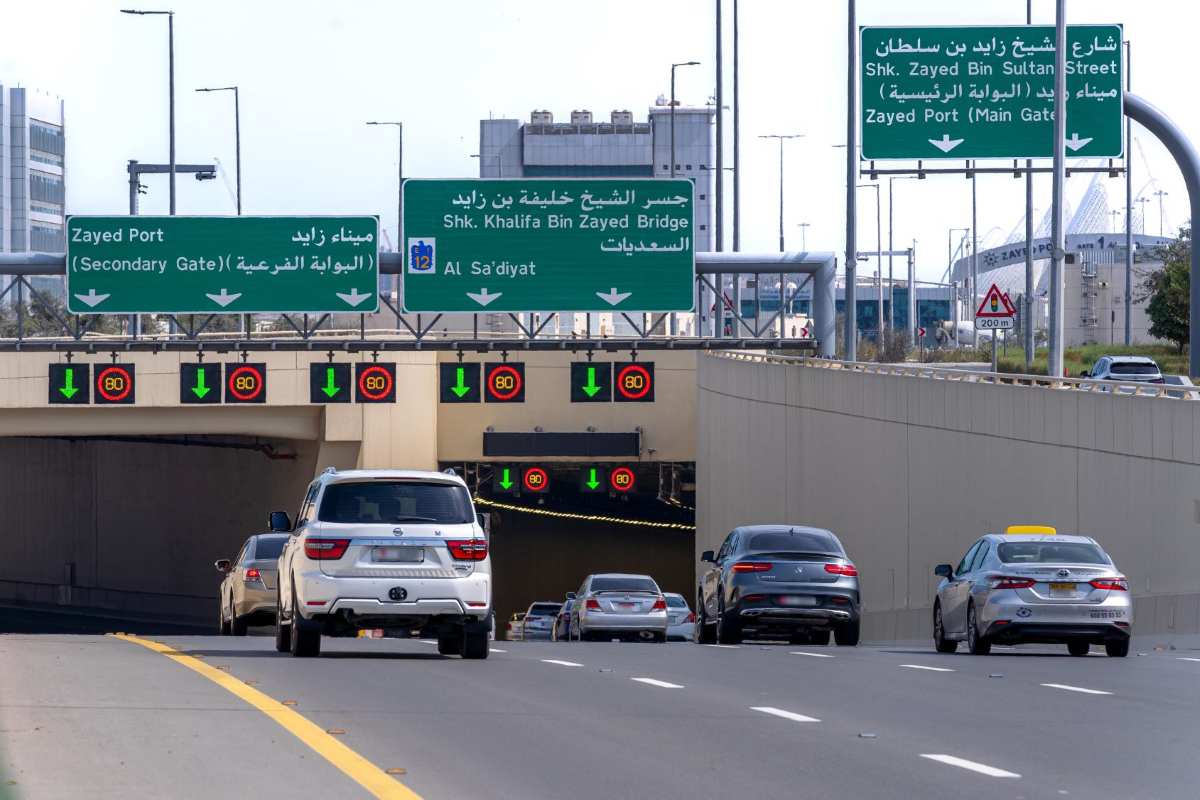
Strategic urban infrastructure developments are continually being implemented across the United Arab Emirates to accommodate rapid urban expansion and population growth. Among these transformative projects, Abu Dhabi Mina Tunnel has emerged as a critical engineering milestone designed to streamline vehicular movement and alleviate congestion throughout the emirate. Since its official opening in 2023, the infrastructure initiative has been overseen by the Department of Municipalities and Transport, an entity dedicated to modernizing regional transit networks and enhancing overall public convenience.
The implementation of this vital corridor addresses historical bottlenecks within congested districts, providing a seamless subterranean route that connects key commercial, maritime, and residential zones including Mina Zayed, the Corniche, and adjacent coastal corridors. Detailed studies released by municipal authorities highlight that the establishment of the subterranean passage forms a core component of long-term civic planning strategies aimed at future-proofing the metropolitan transit grid.
Advertisement
Advertisement
Impact on Travellers
Commuters, residents, and visitors navigating the capital city have experienced immediate and substantial enhancements to their daily transit routines. Statistical evaluations confirm that Abu Dhabi Mina Tunnel has reduced journey times by up to 40 per cent for motorists utilizing the corridor. Furthermore, enhanced road design and optimized traffic flow have contributed to a significant 23 per cent decrease in traffic accidents along connected routes, fostering a much safer driving environment for all road users.
Beyond time savings and safety enhancements, environmental monitoring reports indicate that air pollution levels have been lowered by as much as 37 per cent in the surrounding vicinity due to reduced vehicle idling and smoother traffic progression. Projections compiled by transport planners indicate that the project is expected to save a cumulative 34 million hours of travel time by 2050, delivering enduring advantages for daily commuters and long-term residents alike.
Advertisement
Advertisement
Tourism Boom and Visitor Mobility
The rapid expansion of the regional tourism sector relies heavily on efficient transportation networks that connect international visitors to major cultural, commercial, and leisure landmarks. By drastically reducing transit delays and smoothing traffic flow, Abu Dhabi’s Mina Tunnel plays an instrumental role in facilitating seamless travel for tourists exploring the emirate. Seamless connectivity between iconic heritage sites, coastal attractions such as Mina Zayed, Saadiyat Island’s cultural district, and modern hospitality zones encourages higher visitor mobility and longer stays.
Tour operators, hospitality providers, and transport services benefit from predictable transit schedules, allowing for optimized itinerary planning and enhanced visitor satisfaction. Reduced congestion and lower environmental emissions additionally elevate the aesthetic and ecological appeal of tourist hotspots, positioning the destination as a progressive, visitor-friendly hub that prioritizes modern infrastructure and sustainable urban living.
Advertisement
Advertisement
Industry Insights
Transportation experts, urban planners, and civil engineering authorities view the successful execution of the subterranean project as a benchmark for future regional roadway developments. Industry analysts note that integrating advanced traffic management systems with subterranean engineering solutions effectively resolves persistent urban congestion challenges without compromising environmental standards. Stakeholders within the logistics and mobility sectors emphasize that reduced transit durations directly translate into operational efficiencies for commercial transport fleets operating within the capital. Furthermore, the systematic reduction in vehicular emissions aligns closely with national sustainability agendas, proving that large-scale infrastructure investments can successfully balance economic growth, public safety, and ecological preservation.
Practical Information
Navigating the upgraded transit corridor requires minimal adjustment for motorists familiar with the metropolitan road network. Clear signage and intelligent traffic direction systems guide drivers seamlessly into and out of the subterranean passage, ensuring smooth transitions between major arterial roadways. Regular maintenance schedules and automated monitoring protocols are maintained by the Department of Municipalities and Transport to guarantee uninterrupted operational efficiency and optimal safety standards around the clock. Motorists are encouraged to utilize modern navigation applications that integrate real-time traffic updates to maximize the travel time benefits provided by the corridor.
Advertisement
Advertisement
For logistics operators and daily commuters, understanding peak operational patterns can further optimize travel efficiency. While the corridor is designed to absorb high-volume traffic continuously, adherence to designated speed limits and lane discipline remains essential for maintaining safety. The integration of advanced closed-circuit television surveillance and automated incident detection systems ensures that any mechanical breakdowns or minor collisions are addressed swiftly by municipal response teams, minimizing secondary delays and preserving the free flow of traffic throughout the tunnel network.
Comparison with Previous Policies and Developments
Prior to the inauguration of the infrastructure project, motorists traversing the area frequently encountered severe bottlenecks, prolonged travel delays, and higher frequencies of vehicular incidents during peak commuting hours. Traditional surface-level intersections struggled to manage the escalating volume of commercial and private vehicles, leading to increased fuel consumption and elevated local air pollution levels. In contrast to older traffic management frameworks that relied solely on surface widening and traditional signal timing, the contemporary subterranean approach addresses root causes of congestion by separating through-traffic from local street networks in Abu Dhabi. This progressive policy shift from reactive congestion management to proactive, engineering-led spatial planning has established a new standard for urban transit efficiency across the region.
Image Source- dmt.gov.ae
Advertisement
