
North Korea Adopts Unique Tourism Strategy: Emphasizing Local Language and Cultural Integrity in Wonsan and Pyongyang

Published
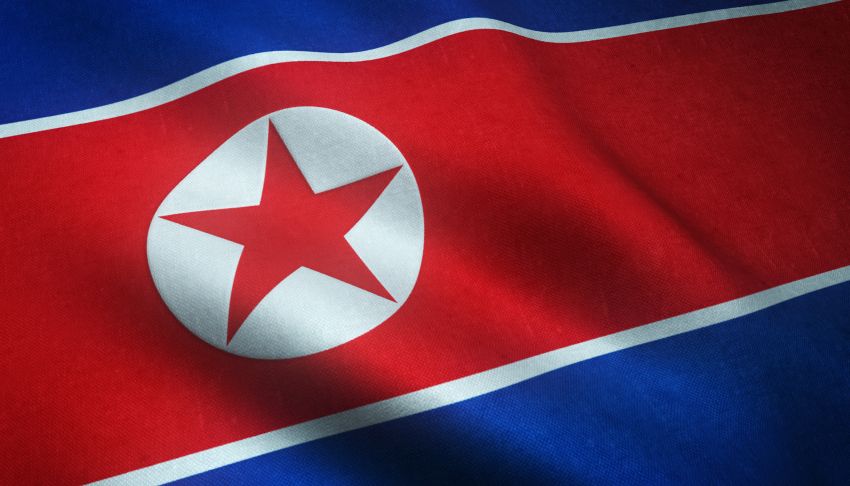 Image generated with Ai
North Korea has adopted a unique tourism strategy that prioritises cultural preservation and patriotism. As part of a recent initiative, the nation’s tour guides are being rigorously trained to make sure they avoid foreign influences, like South Korean terms and foreign loanwords, and instead concentrate on local expressions. The country’s capital, Pyongyang, and coastal towns like Wonsan have seen significant investments in tourism infrastructure as part of a continuous effort to draw in foreign tourists, especially from the Russian region.
Intensive Training for Tour Guides
In early August, the North Korean government issued directives to enhance the skill set of its tourism professionals. The government’s primary concern was to prevent the influx of foreign ideologies and cultural influence that could be seen as undermining the nation’s values. To achieve this, all tour guides were ordered to avoid the use of terms that had entered the country through foreign influence, particularly from South Korea. This move is part of the country’s broader strategy to safeguard its culture by limiting foreign words, especially those adopted from neighbouring South Korea.
The programme, which began in late August, has had a specific focus on helping guides maintain North Korean vocabulary while carefully avoiding terms from South Korea or any other foreign loanwords. The measures included the teaching of local terminology for popular items, such as replacing the word “hamburger” with the term “double bread with ground beef”. The concept of “ice cream”, a widely used term, was similarly replaced by local expressions.
Wonsan, a coastal city known for its stunning beaches, has played a key role in this new approach. It has become a prime location for these training programmes, which also cover essential tourist etiquette and professional standards. Tour guides have been instructed not only in language but also in the correct way to interact with international visitors, ensuring their experience is both culturally enriching and in line with North Korean values.
Advertisement
Advertisement
A Shift Toward Self-Sufficiency in Language
The ultimate goal of these changes is not just linguistic. The North Korean government aims to reinforce the importance of local expressions in every aspect of daily life, with tourism being no exception. By focusing on the use of “on-screen accompaniment machines” rather than karaoke, North Korea hopes to prevent the introduction of foreign concepts. This effort reflects the country’s broader concern with cultural integrity, encouraging tourism professionals to use expressions that align more closely with the government’s vision of the nation’s self-reliance.
While these efforts may seem unusual to outsiders, they are part of a larger trend seen across the country, where localism and cultural pride are emphasised. The government is actively working to ensure that no outside influence, particularly from the South, is allowed to permeate the national consciousness.
Advertisement
Advertisement
Challenges Facing North Korea’s Tourism Industry
Despite the governmental push to make Wonsan and other coastal cities attractive to international tourists, the country still faces significant challenges. The most glaring issue is the low volume of visitors. As reported, only a small group of Russian tourists visited the beaches of Wonsan during the summer months, highlighting a larger problem for North Korea’s tourism sector—an absence of international foot traffic.
There are various factors at play here. Strict visa policies, limited international flights, and a general lack of access to the country prevent a wider global audience from visiting. Additionally, while the government is making substantial investments in tourism infrastructure, such as hotels and amusement parks, the restrictive nature of the regime and its tight control over the movement of people mean that large-scale tourism is still a far-off dream.
Wonsan, despite its beautiful beaches and modern developments, remains largely inaccessible to international visitors. The region, segregated into zones for foreign and domestic tourists, has led to a lack of interaction between locals and international visitors. Tourists have reported being unable to access certain attractions, such as a large water park, simply because it was located in the domestic zone. This divide further complicates efforts to foster international tourism.
Tourist Service Still Praised
Despite the logistical challenges, the feedback from tourists who have visited North Korea’s coastal cities has been notably positive. Visitors praised the professionalism and dedication of the tour guides, who were reported to be committed to offering high-quality service despite the limited tourist numbers. The tour guides’ strict adherence to the country’s principles and their drive to ensure an exceptional experience for international visitors have been a key highlight.
Many tourists have expressed admiration for the guides’ efforts to provide a personal touch, ensuring that each visitor felt valued and attended to. The focus on local customs and etiquette, as well as the consistent use of native language, has left a positive impression on those who have experienced North Korea’s hospitality.
North Korea’s Tourism Future: Slow but Steady Growth
While North Korea’s tourism sector is still in its early stages, the country’s determination to maintain a distinct cultural identity through its tourism policies is evident. The focus on local language and expressions demonstrates the country’s desire to protect its heritage and limit outside influences. However, for this sector to truly thrive, North Korea will need to address its accessibility issues, allowing a broader range of tourists to visit.
Advertisement
Advertisement
Wonsan’s pristine beaches and other attractions hold promise, but the lack of international visitors remains a hurdle. As the government continues to develop the country’s tourism infrastructure and refine its training programmes for tour guides, there is hope that North Korea’s tourism sector will see growth in the years to come.
Conclusion
Although it is still in its early stages, North Korea’s tourism sector is making progress in preserving its distinct cultural identity through regional customs and language. The nation is creating a tourism industry that stays loyal to its ideals by emphasising the use of indigenous terminology and reducing the impact of foreign terms. The nation’s dedication to providing top-notch, culturally rich experiences to those who do visit is evident, despite the ongoing difficulties in drawing in foreign tourists.
North Korea provides a unique experience for anyone looking for a window into a remote but intriguing region of the world. The nation’s focus on regional culture and language, along with its ongoing efforts to improve its tourism offerings, will surely make it a desirable travel destination in the future.
Advertisement
