

Now, U.S. Visa Policy Update, New Restrictions for Cameroon, Ethiopia, Ghana, and Nigeria Under Trump Administration: Everything You Need to Know About it

Published
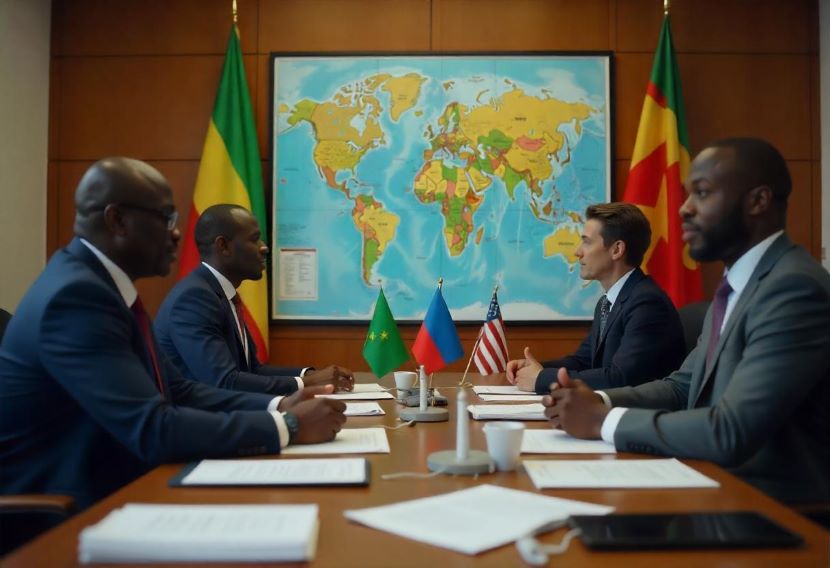 Image generated with Ai
The U.S. Trump administration has introduced a new policy that will impact its visa process to different African nations. The policy, which begins from July 2025, now applies to restricting most non-immigrant and non-diplomatic visas issued to citizens of Cameroon, Ethiopia, Ghana, and Nigerian to one-entry, three-month validity. The U.S. visa policy update from previous visa policies is lower, which issued multiple-entry visas that could potentially have longer lifetimes, e.g., up to two years or longer terms.
The policy change is part of a broader U.S. effort to revise its visa policy to make it more compliant with visa reciprocity principles, so that visa conditions imposed on nationals from such countries are identical to visa conditions they impose on U.S. nationals. The U.S. State Department stated that the new regulations aim to streamline security, address problems related to visa overstays, and further harmonize U.S. visa policy with that of other nations.
The Background to the Policy Change
This shift in visa policies aligns within a wider U.S. policy approach that seeks to overhaul its policies on immigration while acting to ensure that its overseas diplomatic relationship remains healthy and intact. The administration of Donald Trump put particular emphasis on re-examining visa terms with those countries which historically benefited from laxer visa policies towards the U.S., particularly those countries where security and immigration became a focal point of contention.
Addressing Problems Across Africa
The new visa regulations have brought about doubts and questions among various stakeholders, especially among the impacted African countries subjected to such changes. The tourists, professionals, and students from Cameroon, Ghana, Ethiopia, and Nigeria may face new hardships obtaining U.S. visas, and this may affect learning opportunities and work exchange.
Advertisement
Advertisement
In Nigeria, the country has been among the leading providers of international students to migrate to the U.S. The Nigerian students, according to the 2024 Open Doors report, comprised a 13.5% share among African students to study in the U.S. These changes may garner more debate on the impact from the new terms on visa on university and professional know-how exchange between the U.S. and African nations.
The same concerns have been raised in Ghana and Ethiopia, and there was among professionals and corporate leaders hope that the transition will not disturb long-time cooperation in such areas as education, commerce, and cultural exchange.
Advertisement
Advertisement
The Reasons Behind the U.S. Visa Policy Update
The U.S. State Department has explained that the policy updates are initiated by the need to increase visa reciprocity, such that the U.S. visa policy is synchronized with the visa policy of impacted states. The U.S. Government has additionally explained that such revisions intend to reduce security concerns and to secure improved visa overstay control.
Even though the policy changes have been described as a reciprocal readjustment, there have been complaints from Nigerian and other affected country officials, who feel that the new terms on visas do not precisely reflect the visa conditions that they extend to U.S. nationals.
Advertisement
Advertisement
For example, the Nigerian state still offers U.S. nationals long-term, multi-use visas, which diverges from the new short-period U.S. visa to Nigerian nationals. The difference has led to arguments regarding the purpose behind the changes and the broader impacts on global diplomacy.
Solidifying Diplomatic and Academic Ties
While the policy changes have received some criticism, there remains a possibility within the policy changes to ensure an ongoing dialogue between African nations and the U.S. The longstanding ties between the U.S. and African nations, and especially in areas like education, commerce, and cultural exchange, remain intact and healthy. Both sides must work to further those relationships and ensure that visa policy changes do not create future impediments to cultural exchange and academic mobility.
The vast majority of specialists on international relations believe that despite the changes, the United States and the nations on the continent will still manage to further strengthen their cooperation and adapt to evolving global circumstances. Cooperation on priority areas such as science, trade, and technology should still take center stage, and mobility on an international scale is still possible through adequately crafted arrangements.
Affect of U.S. visa policy update on Travelers
While the new policies will face scrutiny, they represent a shift towards re-evaluation and adjustment. The U.S. will still gather the affected countries to account for the success rate of such changes and to ensure that visa documentation, security, and information sharing meet the requirements of both sides.
Advertisement
Advertisement
As the U.S. mission in Abuja, Lagos, Addis Ababa, and Accra prepares to respond to inquiries from citizens curious to know about new procedures, travelers and students will need to take careful note of the new regulations. Affected travelers need to stay abreast of any probable changes or developments to such policies as they occur.
The Future Direction of U.S.-Africa Relations
Visa reciprocity remains an important issue within the contemporary relationship between the U.S. and Africa. The visa policy shifts inside the U.S. are not yet done, and there is leeway on both sides to achieve an agreed result which aligns the national security interests against the continued cultural interchange and professional collaboration that comprise such an essential component of this relationship.
As each side continues to assess the repercussions that such policies create, there is within the longer term much potential to forge stronger U.S.-Africa relationships. In the near future, travelers, students, and professionals from Cameroon, Ethiopia, Ghana, and Nigeria will adjust to new regulations, although the end goal should be a continual, positive discussion that enriches both sides.
Advertisement
