Published on February 16, 2026
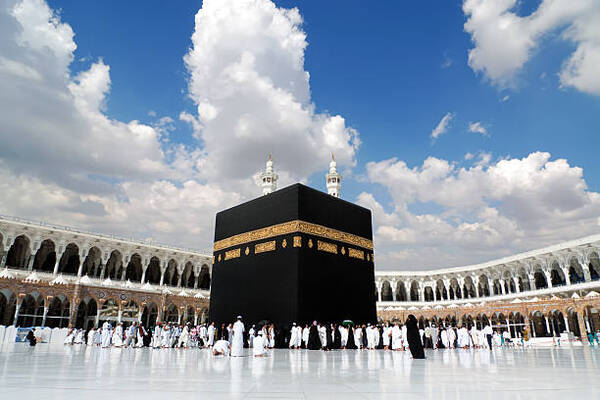
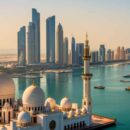
Image generated with Ai
Saudi Arabia’s introduction of the Nusuk platform has dramatically reshaped the Hajj travel landscape for South African pilgrims and agents alike. This new digital system eliminates the traditional accreditation process, shifting South African agents’ roles from package creators to local marketers. While this change opens the door for more streamlined bookings, it also brings higher costs for pilgrims, unfamiliar hotel options, and reduced flexibility in customizing packages. With agents no longer in control of the itinerary or pricing, the industry faces significant challenges as it adapts to this new model, leaving both agents and travelers uncertain about the future of Hajj travel.
The role of South African agents in the Hajj travel sector has undergone significant changes, shifting from directly managing pilgrim journeys to acting primarily as local representatives for Saudi-based operators. This transformation follows a major policy update from the Saudi Ministry for Hajj and Umrah, which introduced a new consumer-facing online travel platform, Nusuk Hajj, aimed at facilitating the booking process for South African pilgrims.
In late 2025, the Saudi Ministry replaced its traditional accreditation system, which required South African agencies to manage a minimum of 500 pilgrims to gain accreditation, with the Nusuk platform. As a result, only 12 Saudi-based travel operators were licensed to offer Hajj and Umrah packages through this platform. Local South African agencies, no longer able to customize or manage these packages themselves, now serve as marketing and facilitating agents. They no longer handle the full spectrum of services for pilgrims but instead act as intermediaries to sell these packages to the South African market.
This change in structure has sparked both concern and adaptation among South African travel operators. Instead of curating unique travel packages, agents are now tasked with marketing and facilitating packages designed by the Saudi operators. While they continue to provide guidance to pilgrims, they no longer have control over the logistics of bookings or the quality of the services provided. For many agencies, this shift has necessitated new agreements with Saudi-based operators to establish local representation.
Advertisement
Advertisement
A major issue arising from these changes is the increase in pricing. Under the new system, packages are priced in Saudi Riyals by the Saudi operators, leading to higher costs for South African pilgrims who were accustomed to a particular price range and service level. Previously, South African travelers could expect more personalized packages with extended stays of up to 40 days. Now, the itineraries available on the platform range from five to 20 days, a significant reduction that has raised concerns for some travelers.
The hotels offered through the new system are also a point of contention. South African agents noted that the accommodation options were unfamiliar and did not match the usual four- or five-star standard that South African pilgrims had come to expect. In addition to being more expensive, the hotels on offer were seen as less luxurious and did not offer the same level of comfort that previous packages had included. Furthermore, there is no guarantee that South African operators will receive visas to accompany pilgrims on their journeys, which could leave them without the familiar support they had previously offered to travelers.
Advertisement
Advertisement
Another concern is the lack of familiarity with the new itineraries. South African agents have expressed that they have yet to experience the new packages firsthand and are uncertain about how these operators will perform. They must rely on the feedback from the Saudi operators and hope for the best as they continue to market these offerings to pilgrims.
Adding to the challenges, the reduction of South Africa’s Hajj quota to just 1,140 pilgrims—down from 2,500 in previous years—has put additional strain on the booking process. A new phased sales system was introduced, beginning on February 1, when phase one of the pilgrimage sales opened. Within less than two hours, all 1,140 spots were filled. The second phase of sales is expected to be based on the redistribution of unused quotas from other countries. However, the first phase was marred by delays, with many pilgrims and agents reporting waiting times of between three and eight hours on the Nusuk platform.
South African agents are facing a steep learning curve with the new system. They have had to educate both themselves and their customers on the intricacies of using the Nusuk platform, from registration to ensuring their e-wallets are fully stocked for payment. This new digital landscape has added another layer of complexity to the already challenging process of securing a spot for the Hajj pilgrimage.
The uncertainty surrounding the new technology is also a source of anxiety for many South African pilgrims. The fear of losing money or not being able to secure a spot is prevalent among travelers, who are inherently risk-averse. Pilgrims are concerned about the transparency of the system and whether their payments are secure. As a result, agents have been stressing the importance of preparing for phase two of the sales, ensuring that all potential pilgrims are ready to act quickly once the remaining spots are available.
The shift to a more centralized and digitally-driven booking process has drastically altered the dynamics of the South African Hajj travel industry. What was once a highly personalized and agent-driven process has now become more streamlined, but not without its challenges. Agents and pilgrims alike are navigating a new, uncharted territory, with many hoping for smoother transactions and a better understanding of how the system will evolve.
For South African travel agents, the change represents both a challenge and an opportunity. The ability to represent top-tier Saudi operators could allow them to tap into new offerings and build stronger partnerships with Saudi-based companies. However, the uncertainty surrounding pricing, service quality, and the platform’s functionality presents significant hurdles that will require both time and effort to overcome. As the Hajj season draws nearer, South African agents will continue to adapt to the evolving landscape, hoping that the new system will lead to a smoother, more efficient pilgrimage experience for South African Muslims.
Advertisement
Tags: Hajj package prices, pilgrimage booking system, Saudi Arabia Nusuk platform, South African Hajj travel















Monday, February 16, 2026

Monday, February 16, 2026

Monday, February 16, 2026

Monday, February 16, 2026
Monday, February 16, 2026

Monday, February 16, 2026

Monday, February 16, 2026

Monday, February 16, 2026