
WorldHotels Targets Independent Luxury Growth Across Europe, Middle East and Africa

Published
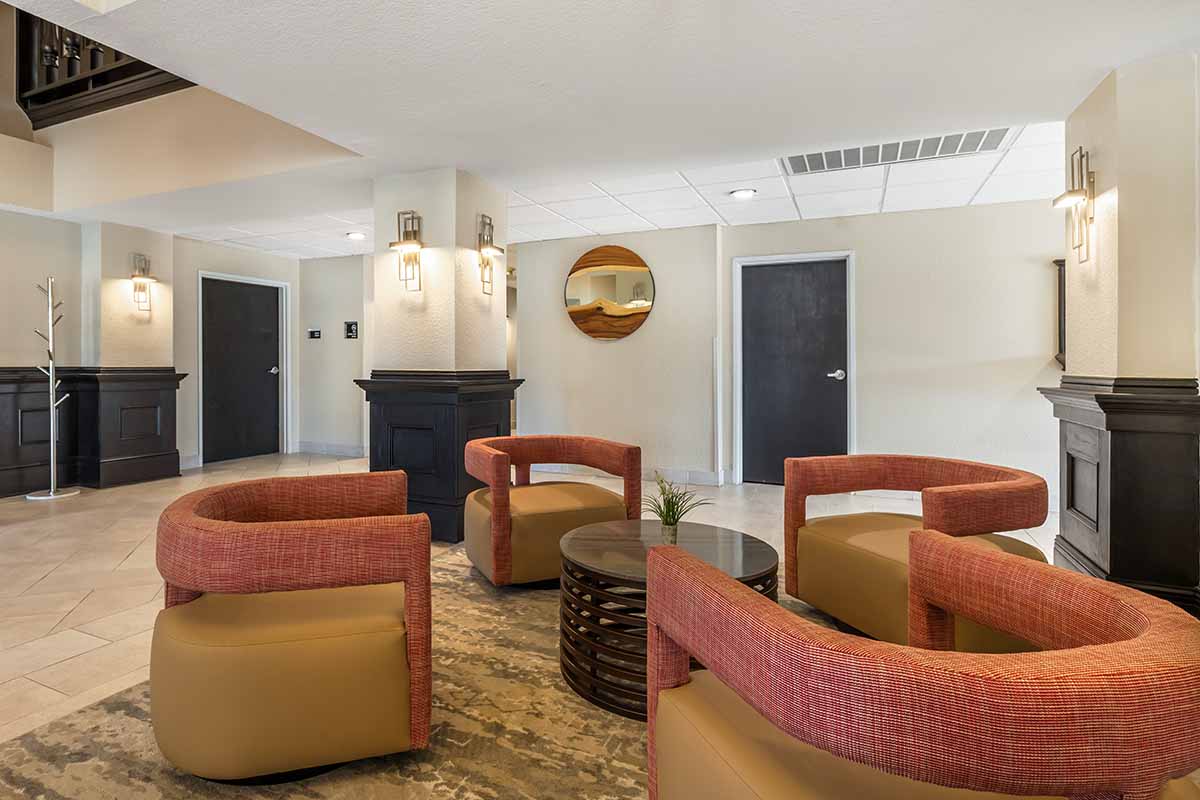
BWH Hotels is pushing WorldHotels further across EMEA as independent luxury hotels seek international growth without surrendering their local identity. The strategy puts distinctive properties at the centre of expansion. At the same time, owners gain access to global distribution, commercial technology, revenue expertise and loyalty through BWH Hotels. WorldHotels is therefore positioning itself between independence and scale.
Meanwhile, demand is evolving across Europe, the Middle East and Africa, with guests increasingly seeking authenticity, personalised service, wellness and distinctive experiences. As a result, BWH Hotels is targeting carefully selected properties rather than pursuing portfolio growth simply for volume.
Advertisement
Advertisement
BWH Hotels Pushes WorldHotels Growth Through Independent Luxury Across EMEA
BWH Hotels is strengthening the role of WorldHotels as a platform for independent luxury and lifestyle hotels across Europe, the Middle East and Africa, with a strategy centred on individuality, commercial performance and international visibility.
The approach reflects a wider shift in the hospitality industry. Independent hotel owners increasingly want access to the distribution, technology, loyalty programmes and commercial expertise associated with large hotel groups, but they also want to protect the identity that differentiates their properties.
Advertisement
Advertisement
WorldHotels is designed to address that balance.
The BWH Hotels soft-brand platform is seeking distinctive hotels where local character, guest experience and individuality remain central to the proposition. Rather than applying a uniform brand identity, the model allows participating properties to retain their own positioning while gaining access to the wider capabilities of BWH Hotels.
Advertisement
Advertisement
At the centre of the EMEA strategy is Wytze Van Den Berg, Vice President, EMEA of WorldHotels and Vice President International Operations, EMEA of BWH Hotels.
Van Den Berg has spent two decades within the BWH Hotels organisation and leads WorldHotels activities in the region from Frankfurt, Germany.
Advertisement
Advertisement
Why Is WorldHotels Focusing On Independent Luxury?
The answer lies in the changing relationship between hotel owners and international hospitality groups.
Independent properties can offer highly individualised experiences, distinctive architecture, local culture and destination-specific hospitality. These characteristics can be particularly valuable as travellers increasingly search for accommodation that feels connected to its surroundings rather than interchangeable with properties elsewhere.
However, independence can also create commercial challenges.
Hotels must manage increasingly sophisticated distribution systems, digital marketing, revenue management, loyalty expectations and changing booking behaviour. Maintaining these capabilities requires investment, specialist knowledge and access to international markets.
Advertisement
Advertisement
WorldHotels aims to provide that infrastructure without removing the individuality of participating hotels.
Van Den Berg describes the strategy as combining global reach with independence. The focus is therefore on selecting properties with distinctive characteristics and then supporting them with the commercial capabilities available through BWH Hotels.
This creates a soft-brand proposition in which the hotel remains recognisable as an individual business while benefiting from a broader hospitality network.
How Is BWH Hotels Supporting Owners Across EMEA?
BWH Hotels is placing commercial performance at the heart of its support for independent owners.
Revenue optimisation is one element. Distribution is another. Digital marketing, loyalty-driven demand and international visibility also form part of the wider proposition.
For owners, the advantage is not simply additional exposure. The objective is to translate access to a global platform into stronger commercial performance.
Advertisement
Advertisement
That requires understanding individual markets rather than applying identical strategies across the region.
France and Italy, for example, present substantial opportunities because of their established tourism infrastructure, strong leisure demand and diverse hotel markets. Yet competition in both countries means properties must differentiate themselves while reaching the right customer segments.
WorldHotels’ approach is consequently based on market-specific support, business reviews and closer engagement with owners.
Van Den Berg highlights agility and local expertise as important factors in competitive European markets. The model seeks to combine those characteristics with data-driven commercial decision-making.
What Does Local Identity Mean For Modern Luxury Hotels?
Luxury is increasingly being defined by more than room design, facilities or traditional service standards.
For many travellers, a sense of place has become an important part of the hotel experience. Local cuisine, architecture, culture, wellness traditions and destination-specific activities can influence how a property is perceived.
Advertisement
Advertisement
This trend creates an opportunity for independent hotels.
A property with a strong local story can differentiate itself from larger, standardised accommodation brands. WorldHotels is seeking to preserve that advantage rather than replace it with a common operating identity.
The proposition is particularly relevant to lifestyle hotels, where design, culture and guest experience frequently form part of the property’s core identity.
For WorldHotels, global scale is therefore intended to support individuality rather than eliminate it.
That distinction could become increasingly important as travellers compare hotels through international booking platforms while simultaneously looking for experiences that feel personal and authentic.
How Are Wellness And Glamping Changing The WorldHotels Portfolio?
The expansion of wellness retreats, glamping concepts and luxury lifestyle properties reflects broader changes in travel behaviour.
Advertisement
Advertisement
Wellness has moved beyond traditional spa breaks, with travellers increasingly looking for experiences involving nature, fitness, relaxation, food and mental wellbeing.
Glamping is similarly expanding the definition of luxury accommodation by combining outdoor experiences with higher levels of comfort.
WorldHotels sees these concepts as opportunities for independent properties because many are built around a particular destination, landscape or experience.
However, regional expectations remain important.
European travellers may place strong emphasis on sustainability, authenticity and cultural immersion. In Middle Eastern markets, privacy, personalised service and family-oriented hospitality can carry particular importance.
The strategy is therefore not to replicate one concept across every market.
Advertisement
Advertisement
Instead, WorldHotels is seeking to help properties maintain local relevance while reaching international customers through the BWH Hotels network.
Why Are France And Italy Important For WorldHotels?
France and Italy remain significant European hospitality markets, offering a combination of international tourism, domestic travel, luxury demand and diverse destination types.
For an independent hotel network, these markets provide opportunities across major cities, resort destinations, cultural centres and emerging lifestyle locations.
Yet the scale of opportunity also creates competitive pressure.
Independent owners must compete for visibility across online travel agencies, direct booking channels, search platforms and increasingly complex distribution environments.
WorldHotels’ commercial infrastructure is intended to help properties address these challenges.
Advertisement
Advertisement
Revenue management can support pricing decisions. Distribution capabilities can increase market reach. Loyalty programmes can generate repeat and network-driven demand. Digital marketing can strengthen visibility among international audiences.
Together, these capabilities can allow independent hotels to retain their distinctive positioning while operating with greater commercial reach.
Can Independent Hotels Really Combine Identity With Global Scale?
WorldHotels’ strategy is built around the proposition that they can.
The key is that scale is being positioned as an infrastructure advantage rather than a branding requirement.
An independent hotel can maintain its name, design, service philosophy and local character while gaining access to broader commercial resources.
For owners, that distinction can be significant.
Advertisement
Advertisement
Joining a large hospitality network does not necessarily mean abandoning individuality when the relationship is structured around a soft-brand model. Instead, the network can provide systems and capabilities that would otherwise require substantial independent investment.
The challenge remains implementation.
A global platform only creates value if its technology, distribution, marketing, revenue and loyalty capabilities translate into measurable commercial outcomes for individual hotels.
That makes owner engagement particularly important.
Van Den Berg’s emphasis on regular business reviews and local market knowledge reflects this requirement. The strategy depends not only on centralised resources but also on understanding the circumstances of individual properties.
What Does Van Den Berg’s Leadership Bring To The Strategy?
Van Den Berg brings extensive hospitality and commercial experience to the WorldHotels operation.
Advertisement
Advertisement
Before joining BWH Hotels, he held leadership roles in marketing and revenue management at Accor. He subsequently became CEO of Best Western in the Netherlands in 2006 and later held several international committee positions within the organisation.
His current responsibilities combine WorldHotels’ EMEA leadership with wider international operations for BWH Hotels.
That dual perspective is relevant to the soft-brand strategy because WorldHotels operates within a larger hospitality ecosystem while maintaining a distinct proposition for independent hotels.
His experience also spans revenue, marketing, operations and regional hotel management, areas that are directly connected to the challenges facing independent owners.
What Could Shape The Next Phase Of WorldHotels Growth?
The next stage of WorldHotels’ EMEA development is likely to depend on the quality of its portfolio as much as its size.
Independent luxury and lifestyle hotels can offer the individuality that many travellers increasingly seek. However, these properties also need access to international demand, sophisticated technology and effective commercial management.
Advertisement
Advertisement
WorldHotels is attempting to bridge those two requirements.
The strategy places particular emphasis on carefully selected properties rather than expansion for its own sake. That approach allows the platform to maintain a connection between hotel individuality and network-wide commercial capabilities.
Meanwhile, evolving travel segments such as wellness, glamping and experiential hospitality provide additional areas for portfolio development.
The wider hospitality market is also becoming increasingly segmented. Travellers are not necessarily looking for one definition of luxury. Instead, luxury can mean privacy, personalisation, sustainability, cultural immersion, wellness or simply an exceptional sense of place.
That creates space for independent hotels with strong identities.
For BWH Hotels, WorldHotels provides a mechanism for bringing those properties into a global network while allowing their individual characteristics to remain visible.
Advertisement
Advertisement
What Does This Mean For EMEA Hospitality?
The WorldHotels strategy highlights a broader structural development in the hotel industry: independence and international scale no longer have to be mutually exclusive.
Independent owners face growing pressure from technology, distribution, marketing and changing customer expectations. At the same time, their distinctive identities can be powerful competitive assets.
WorldHotels is positioning itself around that intersection.
For BWH Hotels, the opportunity is to grow its international presence by attracting properties that already possess a compelling identity rather than forcing independent hotels into a standardised model.
For hotel owners, the proposition is access to a wider commercial ecosystem while maintaining control over the elements that make their properties distinctive.
Across EMEA, that balance could become increasingly important as travellers search for more personalised and locally connected experiences, while hotel owners continue to demand stronger international reach.
Advertisement
Advertisement
The result is a hospitality strategy built around a simple principle: global scale can support local identity when the two are designed to work together.
“BWH Hotels’ WorldHotels strategy reflects an important evolution in international hospitality, where global reach and local identity can increasingly work together. Independent luxury hotels have distinctive stories, strong destination connections and highly personal guest experiences, yet they also require sophisticated distribution, technology, revenue management and international marketing to compete effectively. WorldHotels’ approach is notable because it seeks to provide those global capabilities without removing the individuality that makes independent properties valuable to travellers. Wytze Van Den Berg’s EMEA strategy also highlights the importance of understanding regional guest expectations, from European demand for authenticity and sustainability to Middle Eastern preferences for privacy and personalised service. This combination of local relevance, commercial expertise and international connectivity could create meaningful opportunities for independent hoteliers across EMEA as travellers continue to seek more distinctive and experience-led stays.”
— Anup Kumar Keshan, Founder and Editor-in-Chief, Travel And Tour World
BWH Hotels is using WorldHotels to pursue independent luxury growth across EMEA, while keeping local identity at the centre of the proposition. The strategy responds to a clear industry challenge: independent hotels want international visibility, sophisticated technology and stronger commercial capabilities, but they also want to protect the individuality that attracts guests.
WorldHotels addresses this gap through BWH Hotels’ distribution, revenue expertise, digital capabilities and loyalty ecosystem. Meanwhile, emerging segments such as wellness, glamping and luxury lifestyle accommodation are creating new opportunities for distinctive properties. France and Italy remain important markets, while Middle Eastern demand highlights the need for privacy and personalised service.
Under Wytze Van Den Berg, the regional strategy prioritises carefully selected properties, owner engagement and market-specific support. Therefore, the model is not simply about adding hotels; it is about connecting independent hospitality with global commercial reach without removing the character that defines each property.
The cause is the growing pressure on independent hotels to compete across technology, distribution, revenue management and international marketing while maintaining distinctive guest experiences. The answer is WorldHotels’ soft-brand model, which connects independent properties with BWH Hotels’ global distribution, commercial expertise, loyalty ecosystem and technology. The reason is that travellers increasingly value authenticity, local culture, personalised service and memorable experiences, giving distinctive hotels a strong competitive proposition. At the same time, owners need the resources of a global network to reach international customers efficiently. WorldHotels therefore seeks to combine independence with scale, creating a commercial framework in which individuality remains central to the hotel’s identity.
Advertisement
Advertisement
Image: BWH Hotels
Advertisement
