
Minas Gerais Savours Quilombola Heritage at Conceição do Mato Dentro Food Festival
Published
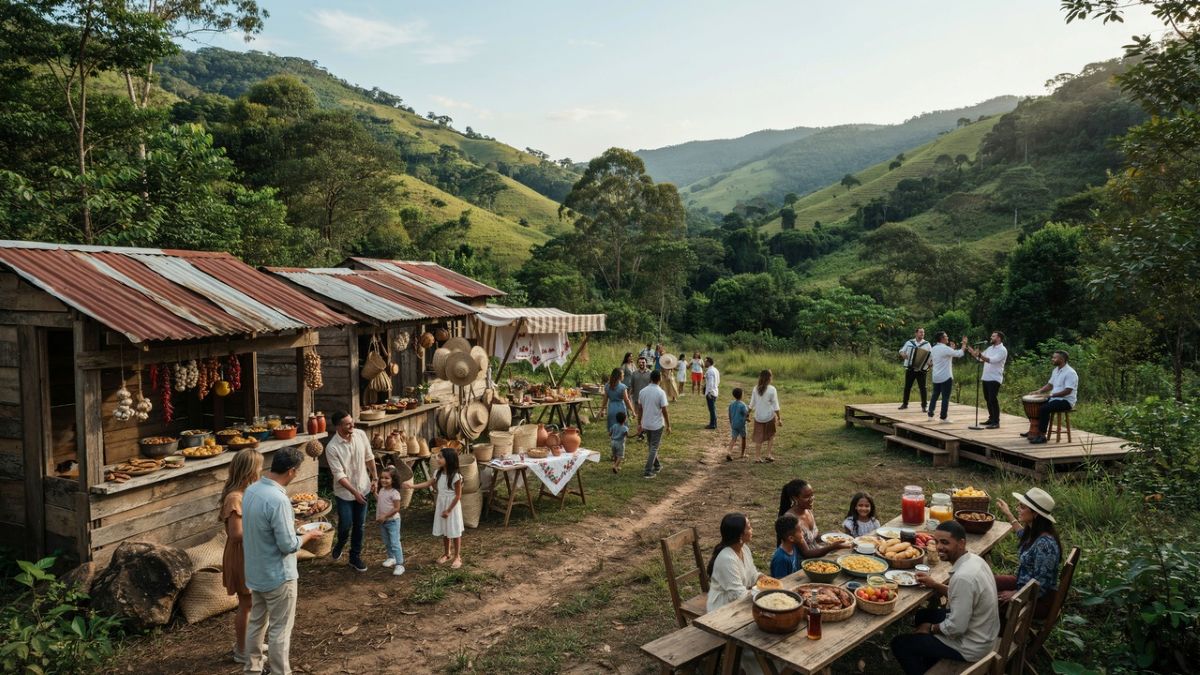 Image generated with Ai
Conceição do Mato Dentro in Brazil’s Minas Gerais is bringing food, music, craft and community history together on 18 October 2026. The 11º Festival de Comida da Roça – Área Quilombola will fill Campo de Futebol do Buraco with rural flavours and live performances from 11am.
The event brings together the communities of Três Barras, Cubas and Buraco. It forms part of the wider 11th Festival de Comida da Roça, which is travelling across districts of Conceição do Mato Dentro between September and November. For visitors, it offers a closer look at rural Minas Gerais beyond famous city streets and large-scale tourist landmarks.
This is a day shaped by people, place and local tradition. It gives families a chance to meet, eat, listen to music and support artisans. It also gives travellers a meaningful reason to explore a part of Minas Gerais where culture remains closely tied to the land.
A Festival Where Food Tells a Local Story
Food is at the centre of the festival. Stalls will offer countryside dishes and traditional treats linked to the region’s rural way of life. The wider Festival de Comida da Roça celebrates the flavours, skills and traditions found in the districts of Conceição do Mato Dentro.
Rural food in Minas Gerais is about more than a meal. It often reflects farming, family recipes, shared cooking and ingredients from nearby land. The event gives these practices a public stage. Visitors can expect a warm, informal setting where local food sits beside craft, music and conversation.
The festival name itself carries an important meaning. “Comida da Roça” refers to food of the countryside. It celebrates simple, deeply rooted cooking rather than a formal restaurant experience. This makes the event attractive to travellers looking for local culture through taste.
The municipal programme also includes local craft stalls. These stalls can help visitors take home objects made by people from the area. Craft is an important part of the local economy in Três Barras, where agriculture, trade and handicrafts play a central role in daily life.
Advertisement
Advertisement
Three Quilombola Communities Come Together
The festival connects Três Barras, Cubas and Buraco, three communities in the rural area of Conceição do Mato Dentro. The municipality states that the three localities have been certified as Quilombola communities by the Fundação Cultural Palmares.
Quilombola communities are central to Brazil’s cultural story. They are linked to the descendants of Afro-Brazilian communities formed during the country’s colonial period. Their traditions, forms of community life, food, music and heritage continue to shape many regions of Brazil today.
That setting gives the festival a deeper purpose. It is not simply a day of food stalls and music. It is also a platform for cultural visibility. The programme places community traditions in front of residents and visitors in a way that supports local pride.
Três Barras has its own strong identity. Its name comes from the meeting of three rivers: Rio Preto, Rio Três Barras and Rio Cubas. The village has around 400 residents, according to municipal information. Agriculture, commerce and craft work support its local economy.
For travellers, this creates a more personal experience than a big city event. The festival invites people into a living rural landscape. It shows how food, music and heritage work together in daily community life.
Music and Family Activities Shape the Day
The programme begins at 11am at Campo de Futebol do Buraco. Alongside food and craft stalls, the event includes Rua de Lazer, a family leisure programme designed to bring children and adults into the celebration.
Music will run through the day. Confirmed performers include Adoradores do IBVP, Dani Silva, Forró Pura Fama and Trio Quilombola. The line-up mixes local participation with forró rhythms and community-focused music.
This is important because music helps turn a food festival into a shared social event. Families can stay longer, enjoy the stalls and watch performances together. The programme is built for a broad audience, rather than a narrow group of specialist visitors.
The event also reflects earlier cultural projects in the area. The communities of Três Barras, Cubas and Buraco have hosted cultural and leisure activities through local community partnerships. The 2026 festival continues that wider focus on culture, recreation and community participation.
Advertisement
Advertisement
A Rural Escape Near Nature
The festival offers a useful starting point for travellers who want to see another side of Minas Gerais. Conceição do Mato Dentro is known for mountains, waterfalls and outdoor experiences. The Três Barras area is close to Cachoeira das Três Barras, one of the municipality’s recognised natural attractions.
The waterfall lies near the village and forms part of the destination’s wider appeal. The area can be reached from Conceição do Mato Dentro by heading along MG-010 towards Belo Horizonte, then following local roads near the Três Barras turn-off.
This natural setting makes the festival more than an indoor cultural date. Visitors can connect food and heritage with landscapes, rivers and countryside views. The region offers a slower pace and a chance to understand how rural communities live with their surroundings.
Travellers should plan carefully. The official programme confirms the venue and start time, but it does not publish a detailed transport plan, parking information, an end time or a full vendor list. Visitors should check local updates before travelling, especially for road and weather conditions.
Part of a Bigger Minas Gerais Food Journey
The 11º Festival de Comida da Roça is not limited to one community. It is a seasonal programme moving through the districts of Conceição do Mato Dentro from 13 September to 29 November 2026. Each stop highlights local flavours and traditions.
The Área Quilombola edition stands out because it places three communities at the heart of the day. It brings together food, local artisanship, family activities and music in a setting that carries real cultural weight.
For Minas Gerais tourism, this is the kind of event that can deepen a visitor’s journey. It moves attention away from quick sightseeing and towards real community experiences. It offers food with a story, music with a sense of place and a rural festival shaped by the people who call the region home.
Advertisement
Advertisement
Advertisement
