
Pitcairn Islands, Bouvet, Kerguelen, Easter, And Tristan da Cunha, The Most Remote Island Travel Destinations You Need To Visit Before They Disappear

Published
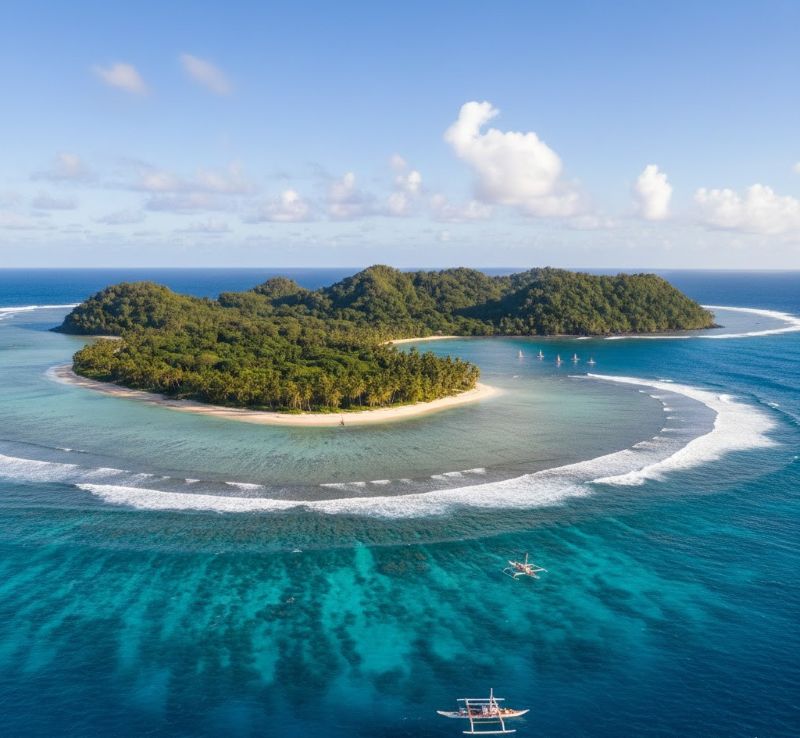 Image generated with Ai
For those seeking an escape from the chaos of everyday life, the world’s most remote island archipelagos offer the ultimate adventure. Places like Tristan da Cunha, Easter Island, the Kerguelen Islands, Bouvet Island, and the Pitcairn Islands are some of the most isolated and unspoiled locations on Earth, each with its own distinct appeal. These islands are not only remote but steeped in history, mystery, and natural beauty, drawing travelers in search of something beyond the conventional tourist destinations.
Access to these archipelagos is not easy—no bustling airports or luxurious resorts can be found here. Instead, they offer a raw and authentic experience where solitude, adventure, and untouched nature take center stage. As global tourism increasingly shifts towards more eco-conscious and adventurous journeys, these islands have become symbols of ultimate exploration.
Advertisement
Advertisement
From the volcanic landscapes of Easter Island to the rugged cliffs of the Kerguelen Islands, these destinations promise unique encounters with nature, wildlife, and culture. In this article, we delve into these remarkable places, shedding light on what makes them must-visit destinations for adventurous travelers and nature lovers alike.
Tristan da Cunha Archipelago: The Most Isolated Archipelago on Earth
Advertisement
Advertisement
The Tristan da Cunha Archipelago, widely recognized as the most isolated inhabited island group in the world, offers a unique and profound experience for those who seek adventure, isolation, and the raw beauty of nature. Situated deep in the South Atlantic Ocean, this collection of volcanic islands is 2,400 kilometers away from Saint Helena and approximately 2,800 kilometers from South Africa, making it incredibly difficult to access. The only way to reach the main island, Tristan da Cunha, is by specialized ships or expeditions since there are no airports or regular transportation routes.
The archipelago is made up of several islands, including Inaccessible Island, Nightingale Island, Middle Island, and Gough Island. Notably, certain islands in the group, such as Gough Island, are protected as UNESCO World Heritage Sites due to their extraordinary biodiversity. Gough Island, in particular, is home to rugged cliffs that serve as a sanctuary for millions of seabirds, including albatrosses and petrels. This makes it an ideal destination for birdwatching and attracts naturalists and scientific researchers from around the globe.
Advertisement
Advertisement
For those who visit Tristan da Cunha, the journey is a return to nature. The islands offer a rare and pristine environment, dominated by volcanic peaks and untouched valleys, making it a perfect location for solitude, adventure, and wilderness exploration. The island is sparsely populated, with only a few hundred residents who maintain a simple, self-sufficient lifestyle. The lack of modern infrastructure ensures that Tristan da Cunha remains largely untouched, offering a chance to experience life in its most authentic form.
Key Highlights:
Advertisement
Advertisement
- Queen Mary’s Peak: The highest point on the island, providing panoramic views of the landscape.
- Albatrosses and petrels: The island’s abundant birdlife makes it a haven for birdwatchers.
- Edinburgh of the Seven Seas: The island’s only settlement, offering insight into the traditional way of life.
Tristan da Cunha’s remote isolation and untouched beauty continue to draw in those passionate about eco-tourism and natural exploration. As the world seeks more isolated travel destinations, this archipelago remains one of the most sought-after places for travelers.
Easter Island (Rapa Nui): A Mysterious World of Stone Giants
Easter Island, or Rapa Nui, is another one of the most remote islands in the world, situated over 3,700 kilometers from the coast of Chile in the Pacific Ocean. Famed for its colossal stone statues known as moai, this volcanic island continues to captivate people due to its mystery and cultural significance. These statues, some of which weigh several tons, have fascinated archaeologists and travelers alike for centuries.
The island is home to fewer than 8,000 residents who still preserve and celebrate their Rapa Nui heritage. Easter Island offers not only an archaeological treasure trove but also a vibrant, living culture that traces its roots back over 1,000 years. Visitors have the opportunity to explore the moai platforms, also known as ahu, and visit the quarries where these ancient statues were carved. Moreover, the island hosts cultural festivals, providing a chance to witness the traditional Rapa Nui practices.
Advertisement
Advertisement
Key Sights:
- Ahu Tongariki: The largest platform of moai statues on the island.
- Rano Raraku Quarry: The birthplace of the moai statues, a site of deep cultural significance.
- Anakena Beach: A white-sand beach that contrasts with the island’s more rugged terrain, offering a peaceful retreat.
For those drawn to the mystique of ancient civilizations, Easter Island offers an unparalleled opportunity to connect with history while immersing oneself in the natural beauty of the vast Pacific Ocean. Its combination of archaeological exploration and spectacular landscapes makes it a standout destination for remote island tourism.
Kerguelen Islands: A Harsh and Untamed Wilderness
The Kerguelen Islands, also known as the Desolation Islands, lie in the Southern Indian Ocean, making them one of the most remote and harshly inhospitable places on Earth. With their frigid temperatures, strong winds, and endless glaciers, the islands offer a true test for adventurers and explorers seeking to experience the wild, untamed beauty of nature in its purest form.
The archipelago is sparsely populated, with the only human presence being scientific researchers stationed at Port-aux-Français, the main research hub. The islands are characterized by their rugged mountains, vast ice fields, and moss-covered plains, making it a destination suited for expedition-style travelers. Despite the harsh conditions, the islands are home to thriving wildlife, including elephant seals, penguins, and the wandering albatross.
Must-See Features:
Advertisement
Advertisement
- Mont Ross: The tallest peak in the archipelago, offering stunning views of the surrounding wilderness.
- Port-aux-Français: The main scientific station where most research and expeditions are based.
- Seabird colonies: The islands host an impressive variety of seabirds, and whale-watching opportunities are abundant.
For those seeking a truly raw and polar experience, the Kerguelen Islands present a unique and rare opportunity to witness one of the world’s most untouched ecosystems. The islands embody the essence of wilderness and natural beauty, making them an exceptional destination for eco-tourism.
Bouvet Island: The Pinnacle of Isolation and Exploration
Bouvet Island is often regarded as the most isolated island on the planet. Situated in the South Atlantic Ocean, roughly 1,700 kilometers from Antarctica, the island remains largely ice-covered and is uninhabited. Its extreme remoteness means that only scientific expeditions have ever set foot on its shores, making it one of the most challenging destinations for those seeking complete isolation.
The island’s ice plains, glacial cliffs, and treacherous weather conditions present one of the most difficult and dangerous environments on Earth. While the island is home to seabirds and seals, the harsh conditions make it unsuitable for most forms of life. However, it continues to attract those interested in polar exploration and extreme adventure.
Key Features:
- Ice plains and glacial cliffs: The island offers an exceptionally dramatic landscape.
- Minimal wildlife: Primarily seabirds and seals, which are the only creatures that can survive in such extreme conditions.
For extreme adventurers and those seeking the ultimate in remote travel, Bouvet Island represents the pinnacle of polar exploration. The island’s isolation and natural beauty make it a rare and coveted destination for dedicated explorers.
Advertisement
Advertisement
Pitcairn Islands: A Remote Paradise of History and Nature
The Pitcairn Islands, located in the South Pacific Ocean, are renowned for their rich historical significance and remote beauty. Famous for being the home of the mutineers of the HMS Bounty, who settled there in 1790, the islands are steeped in history. Pitcairn Island, the only inhabited island, is home to fewer than 50 residents, while the other islands, including Henderson Island, Ducie Island, and Oeno Island, are uninhabited.
The Pitcairn Islands offer a unique blend of natural beauty and historical intrigue. The surrounding waters are part of one of the world’s largest marine reserves, providing a paradise for marine life and ocean ecology. The islands themselves are known for their dramatic cliffs, subtropical forests, and crystal-clear waters.
What Makes Pitcairn Special:
- Bounty Bay: The site where the mutineers first landed.
- Subtropical forests: Lush and vibrant, offering a peaceful environment.
- Marine biodiversity: The surrounding waters are home to diverse marine life, including rich ocean ecology.
For those fascinated by history, isolation, and untouched natural beauty, the Pitcairn Islands offer an unforgettable experience. Despite their small population, these islands continue to attract adventurous travelers seeking to explore a place where history and nature come together.
Impact on the Travel Industry: Embracing Remote and Isolated Travel
Advertisement
Advertisement
The increasing interest in remote islands such as Tristan da Cunha, Easter Island, Kerguelen Islands, Bouvet Island, and the Pitcairn Islands represents a broader shift in the travel industry. Travelers are no longer simply seeking luxury resorts or bustling cities; instead, they are drawn to destinations that offer solitude, authenticity, and unspoiled beauty. The rise of eco-tourism is a key factor in this trend, as more travelers prioritize destinations that promote sustainability and environmental conservation.
As the world becomes increasingly connected and urbanized, remote travel offers an opportunity for escape, reflection, and a deeper connection to nature. These isolated destinations provide once-in-a-lifetime experiences that allow visitors to witness wildlife, untouched landscapes, and ancient cultures in their purest forms.
A New Era for Remote Island Tourism
The growing allure of remote island archipelagos like Tristan da Cunha, Easter Island, Kerguelen Islands, Bouvet Island, and the Pitcairn Islands signifies a pivotal shift in the global travel landscape. As travelers increasingly seek solitude, adventure, and untouched natural beauty, these islands offer a rare chance to experience the world in its most pristine form. The desire for eco-tourism, cultural exploration, and raw wilderness has propelled these destinations to the forefront of niche travel, offering an escape from modern life’s overwhelming pace.
For the travel industry, this trend represents both a challenge and an opportunity. As eco-conscious tourism continues to rise, the focus will shift toward responsible travel that protects the very environments and cultures that make these islands unique. Travelers looking for authentic experiences will continue to flock to these isolated destinations, contributing to the growth of sustainable tourism.
These islands provide more than just picturesque landscapes—they offer profound journeys into history, nature, and human resilience. The allure of remote islands will only continue to increase, making them key players in shaping the future of global travel.
Advertisement
