
Club Med Opens Its First South Africa Resort as R2 Billion Investment Elevates KwaZulu-Natal Tourism

Published
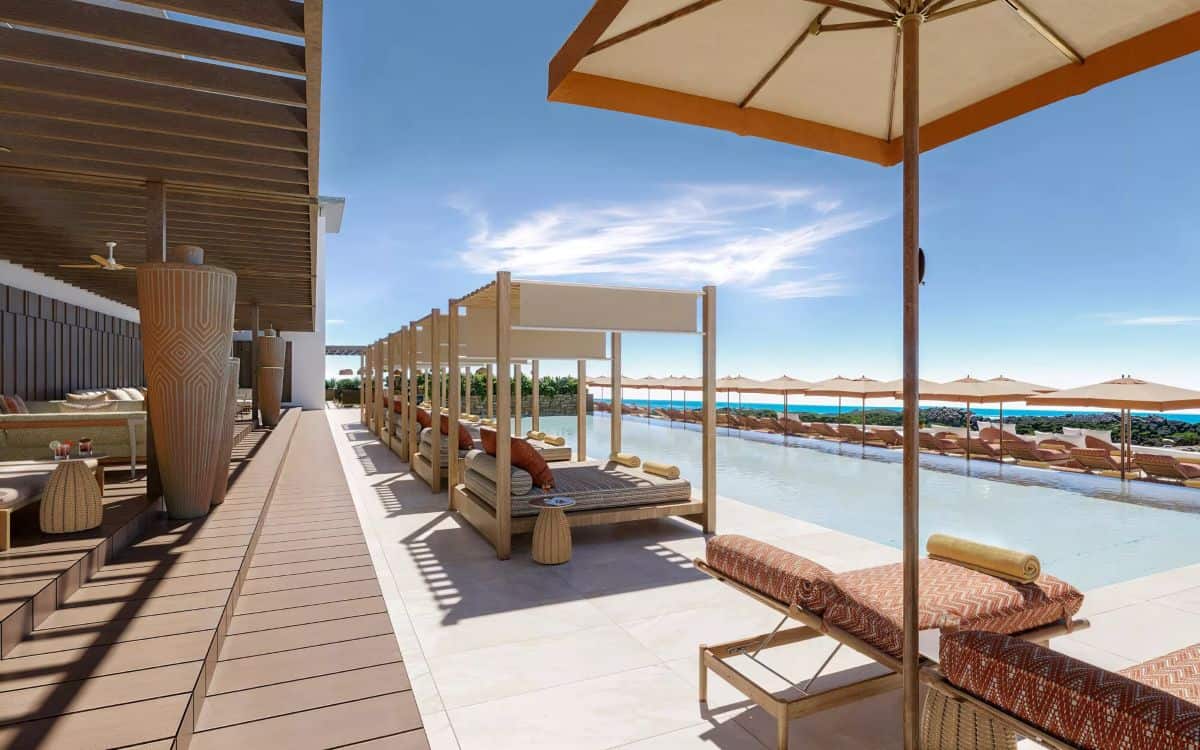
South Africa has opened its first Club Med resort at Tinley Manor in KwaZulu-Natal, introducing a new beach-and-safari proposition to the country’s international tourism market. The R2 billion-plus development has been described by President Cyril Ramaphosa as the largest hospitality investment in South Africa and the wider Southern African Development Community since Sun City opened in the 1970s. The project combines a beachfront resort on the Dolphin Coast with the Vikela Safari Lodge in northern KwaZulu-Natal. It created more than 2,300 construction jobs, while the completed operation supports 600 permanent direct positions and 1,500 indirect jobs. The opening also comes as South Africa records strong tourism growth, with 6.5 million international tourist arrivals reported between January and July 2026.
A New Chapter For South African Hospitality
The opening of the Club Med Beach & Safari Resort marks a significant addition to KwaZulu-Natal’s tourism landscape. It also introduces a hospitality concept that links two of South Africa’s strongest international travel propositions: Indian Ocean beaches and wildlife experiences.
Advertisement
Advertisement
The resort sits at Tinley Manor along the KwaZulu-Natal North Coast. Its wider proposition connects the coastal property with the Vikela Safari Lodge in northern KwaZulu-Natal. That combination gives travellers the opportunity to structure one holiday around relaxation, outdoor activities and wildlife.
President Cyril Ramaphosa formally welcomed the investment through an address delivered by Tourism Minister Patricia de Lille at the 17 September 2026 opening. He described the development as a major vote of confidence in South African tourism and local enterprise.
Advertisement
Advertisement
The scale of the investment is equally important. The South African Government places its value at more than R2 billion, while the project has generated substantial employment during construction and operations. More than 2,300 direct and indirect jobs were created during construction. The completed resort supports another 600 permanent direct jobs and 1,500 indirect positions.
| Key Resort Indicator | Latest Reported Figure |
|---|---|
| Investment | More than R2 billion |
| US dollar value reported | About US$122.69 million |
| Construction employment | More than 2,300 direct and indirect jobs |
| Permanent direct employment | 600 jobs |
| Indirect employment | 1,500 jobs |
| South African employees at Beach Resort | 84% |
| Vikela Safari Lodge employees | 100% from surrounding communities |
| Beach and safari proposition | KwaZulu-Natal coast plus northern safari experience |
| Opening | September 2026 |
The employment profile is particularly relevant for a destination seeking to deepen tourism’s economic reach. Government figures state that 84% of employees at the Beach Resort are South Africans. All employees at the Vikela Safari Lodge come from surrounding communities.
Advertisement
Advertisement
Why KwaZulu-Natal Matters For Travellers
KwaZulu-Natal has long offered a combination of coastline, cultural heritage, nature and wildlife. Yet its international tourism profile has often sat behind the visibility enjoyed by Cape Town, the Garden Route and the Kruger region.
The new development gives the province another internationally recognisable hospitality platform. More importantly, its positioning can encourage travellers to consider a multi-experience KwaZulu-Natal itinerary rather than treating the province solely as a coastal holiday destination.
Advertisement
Advertisement
The Club Med model also brings an established all-inclusive proposition into this market. The company’s South African operation describes the new property as its first resort in KwaZulu-Natal and promotes the beach-and-safari combination.
For travellers, the distinction matters because the resort is not simply another beachfront hotel. It is designed around a broader holiday proposition, combining accommodation, leisure activities and access to a safari experience.
Club Med’s current South African information also makes an important practical distinction. The safari lodge is not automatically included in the beach resort booking. Travellers need to arrange the safari component separately through the operator.
That detail could shape how visitors plan their itineraries. Travellers interested in both experiences should therefore check inclusions, transfers, availability and safari arrangements before confirming their stay.
Advertisement
Advertisement
Tourism Demand Is Already Accelerating
The investment arrives against a backdrop of rising international tourism demand. South Africa recorded 10.5 million tourists in 2025, according to Statistics South Africa. That represented a 17.7% increase from 8.9 million tourists in 2024. It also put annual tourist arrivals above the country’s 2019 pre-pandemic level.
The 2025 numbers provide important context for the new resort. The recovery is no longer simply about returning to pre-pandemic volumes. It is increasingly about expanding accommodation capacity and creating products capable of converting visitor growth into longer stays and higher tourism expenditure.
The latest monthly data also show substantial international movement through South African ports. In July 2026, foreign arrivals included 1.243 million visitors, of whom nearly 992,000 were overnight tourists. SADC travellers accounted for the overwhelming majority of overnight tourists that month.
This regional strength is strategically important. It means South Africa’s tourism opportunity extends beyond long-haul leisure markets. Neighbouring countries remain a major source of visitor traffic, while overseas markets add higher-value long-haul demand.
| Tourism Indicator | Figure | Significance |
|---|---|---|
| Tourists in 2024 | 8.9 million | Recovery base |
| Tourists in 2025 | 10.5 million | 17.7% annual increase |
| 2019 tourists | About 10.2 million | Pre-pandemic benchmark |
| Foreign visitors in July 2026 | 1.243 million | Monthly visitor volume |
| Overnight tourists in July 2026 | 991,696 | Core accommodation market |
| SADC tourists in July 2026 | 785,469 | Strong regional demand |
| Overseas tourists in July 2026 | 193,637 | Long-haul opportunity |
Statistics South Africa’s figures also show how important regional travel remains. In July, SADC tourists represented roughly four-fifths of overnight tourists. Overseas travellers, meanwhile, continued to provide a substantial long-haul component.
The Beach And Safari Model
The resort’s most distinctive feature is its dual-destination proposition. Visitors can combine a coastal stay with wildlife experiences without treating the two as entirely separate holidays.
Advertisement
Advertisement
That model reflects a broader trend in leisure travel towards experience-led itineraries. Travellers increasingly want more than accommodation. They seek combinations of nature, food, wellness, culture, adventure and wildlife within a single journey.
South Africa is particularly suited to this approach. Its geographic diversity allows international visitors to combine urban tourism with coastal experiences, wine tourism, nature-based travel and safari holidays.
KwaZulu-Natal adds another dimension. Its Indian Ocean coastline creates a warmer beach proposition, while its northern areas offer access to wildlife landscapes. The Club Med development packages those attributes into a single commercial proposition.
For international visitors, this could make itinerary planning simpler. For regional tourism businesses, it can create opportunities around transfers, excursions, food supply, guiding, transport and additional accommodation.
A Significant Employment Multiplier
The project’s employment figures demonstrate why large-scale hotel investment matters beyond the number of rooms created.
During construction, more than 2,300 direct and indirect jobs were generated. The operational phase now supports 600 direct permanent positions and another 1,500 indirect jobs.
Advertisement
Advertisement
The indirect component is especially relevant to tourism economies. Hotels purchase food, transport, maintenance, cleaning supplies, landscaping services, equipment and professional support. Those relationships can extend the economic impact beyond the property itself.
The government also highlights the resort’s local employment structure. Eighty-four per cent of Beach Resort employees are South African. At Vikela Safari Lodge, all employees come from surrounding communities.
That creates a stronger local link between visitor spending and employment. However, the long-term value will depend on how successfully local suppliers participate as resort demand develops.
A successful hospitality project therefore extends beyond occupancy. Its wider value depends on procurement, skills development, local enterprise participation and the ability to stimulate additional tourism businesses.
How The Investment Compares
The government’s comparison with Sun City provides the clearest historical context. Ramaphosa described the Club Med development as the largest hospitality investment in South Africa and the wider SADC region since Sun City opened in the 1970s.
The comparison is not simply about hotel architecture or investment size. Sun City became an important example of destination-led hospitality, creating a leisure ecosystem around accommodation, entertainment and attractions.
Advertisement
Advertisement
The Tinley Manor project follows a different model. Instead of concentrating on entertainment infrastructure, it links coastal leisure with wildlife tourism.
| Development | Core Tourism Proposition | Strategic Relevance |
|---|---|---|
| Sun City | Integrated leisure and entertainment | Historic destination development |
| Club Med Tinley Manor | Beach and safari | Nature-led integrated holiday |
| Vikela Safari Lodge | Wildlife and safari | Northern KwaZulu-Natal tourism |
| KwaZulu-Natal Coast | Beach and marine tourism | Coastal leisure market |
| South Africa’s wider tourism offer | Cities, culture, wildlife and nature | Multi-region itineraries |
KwaZulu-Natal’s provincial government had already identified the Club Med project as a flagship leisure investment. Its 2025/26 budget documentation described the development as a R2 billion investment and highlighted the beach-and-safari concept as a major tourism anchor.
That continuity is significant. The resort is not an isolated hospitality opening. It forms part of a broader effort to strengthen KwaZulu-Natal’s tourism infrastructure and diversify its visitor economy.
What The Opening Means For Travellers
For travellers, the immediate attraction is the ability to combine two different holiday environments. A beach stay can provide downtime, while the safari component introduces wildlife and nature-based activities.
Families may find the integrated proposition particularly relevant. Club Med’s wider model includes family facilities, sports and organised activities. Its South African operation is positioned within the company’s premium all-inclusive portfolio.
However, travellers should examine the booking structure carefully. The safari experience is currently listed as an additional component rather than an automatic inclusion in the beach resort stay.
Advertisement
Advertisement
The resort also operates as an overnight destination rather than a conventional day-pass attraction. Club Med states that guests require a minimum three-night stay to experience the resort.
This makes the property more suitable for travellers planning a dedicated holiday segment than visitors seeking a short coastal stop.
| Traveller Consideration | What To Check |
|---|---|
| Stay duration | Minimum three nights |
| Safari | Confirm whether it is included or separately booked |
| Transfers | Check arrangements between coastal and safari components |
| Family travel | Review children’s facilities and room configuration |
| Activities | Confirm included and additional experiences |
| Peak periods | Check availability before booking |
| Pricing | Compare package inclusions rather than room rates alone |
Club Med’s official South African booking information also indicates that future sales and availability will vary by travel period. Peak school-holiday dates can experience stronger demand, making advance planning relevant for families.
A Wider Opportunity For Local Tourism
The resort could also influence tourism flows beyond its own property. A larger international visitor base creates opportunities for restaurants, transport providers, attractions, guides and small accommodation businesses.
Travellers staying in KwaZulu-Natal can potentially extend their trips to other provincial attractions. Those include cultural heritage sites, coastal communities, nature reserves and urban centres.
This is where destination management becomes important. A major resort can attract visitors, but surrounding businesses need connectivity and visibility to capture additional spending.
Advertisement
Advertisement
The development also comes as South Africa’s tourism workforce has recovered strongly. Statistics South Africa reported that tourism employment reached almost one million people in 2024, surpassing its pre-pandemic level.
That employment recovery gives additional context to the Club Med opening. The new resort enters an industry where demand, employment and investment are moving in the same broad direction.
South Africa’s Tourism Proposition Broadens
The significance of the development ultimately extends beyond one resort. South Africa is strengthening a tourism proposition built around several complementary experiences rather than a single iconic attraction.
Cape Town remains a major urban and nature destination. Kruger and other reserves anchor safari tourism. KwaZulu-Natal now gains a high-profile international resort combining coastal tourism and wildlife.
That diversification can matter to travellers seeking longer holidays. Instead of choosing between a beach break and a safari, visitors can potentially incorporate both within one South African journey.
The model also aligns with the country’s strong regional tourism base. In July 2026, SADC visitors accounted for 785,469 overnight tourists. Meanwhile, overseas tourists contributed almost 194,000 overnight visitors during the month.
Advertisement
Advertisement
For travel businesses, the opportunity lies in packaging these markets differently. Regional visitors may respond to shorter leisure breaks and family packages. Long-haul visitors may be more interested in multi-stop itineraries combining several South African regions.
What Comes Next For KwaZulu-Natal
The opening places KwaZulu-Natal in a stronger position to compete for international leisure demand. It also gives the province a globally recognised hospitality brand at a time when South Africa’s tourism recovery has regained momentum.
The critical test will now shift from construction to performance. Occupancy, length of stay, visitor spending, local procurement and repeat visitation will provide stronger measures of the project’s long-term tourism impact.
For travellers, meanwhile, the development adds another compelling reason to look beyond South Africa’s established tourism circuits. A single holiday can now connect the Indian Ocean coastline with northern KwaZulu-Natal’s wildlife landscapes, creating a distinctive itinerary within one province.
The R2 billion investment therefore carries significance beyond its headline value. It expands accommodation capacity, creates employment and strengthens the country’s portfolio of internationally marketed experiences. As South Africa continues to attract more visitors, the new resort could become an important gateway into a broader KwaZulu-Natal tourism story.
Advertisement
