
Belgium Steps Up With Portugal And More In Curbing Tourism Expansion To Restore Urban Housing Affordability

Published
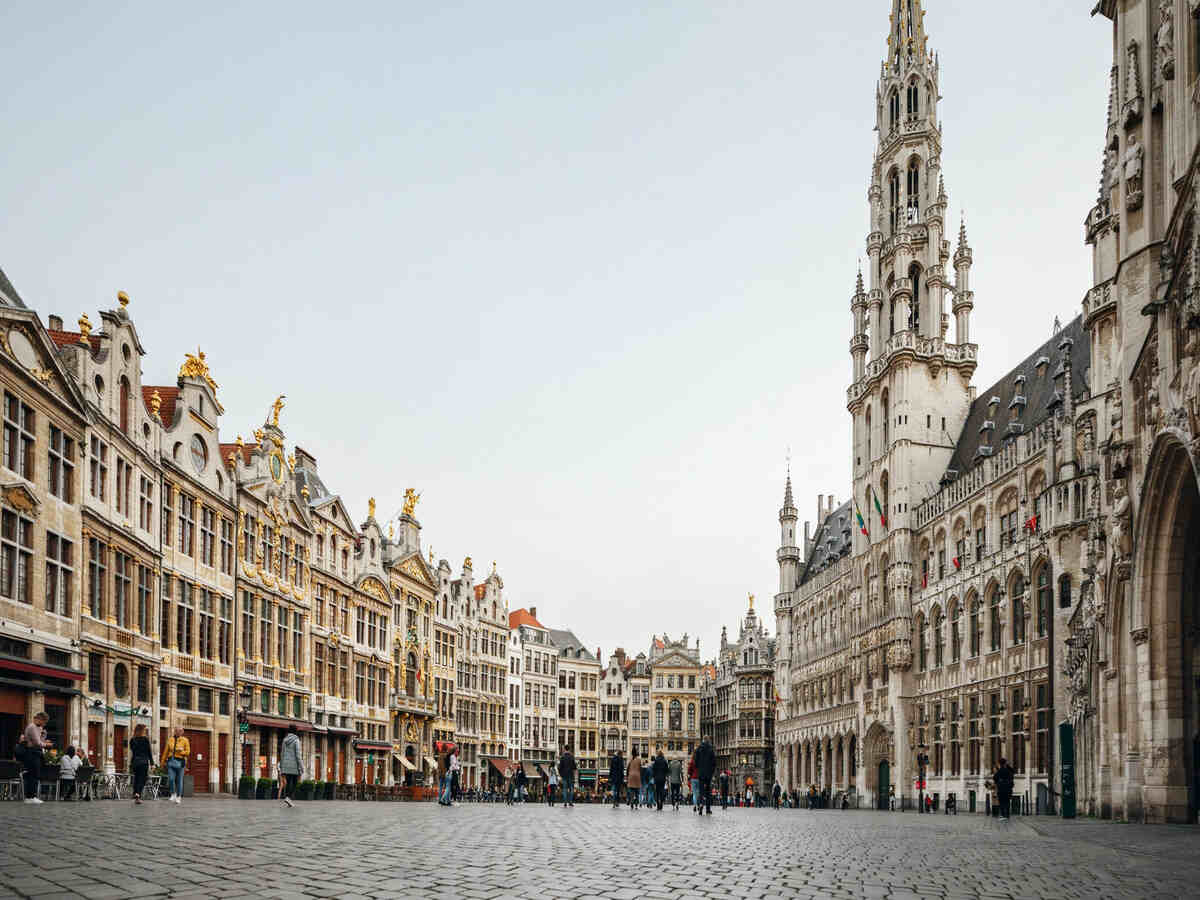
Belgium, like Portugal, is limiting the growth of tourism in order to preserve low-cost housing within its cities. A pivotal shift in structure has been occurring in terms of the way that urban management has developed within Western Europe. In response to public outrage and street protests, along with widespread strikes by workers who have become angry about high rental prices and overall cost-of-living increases, various national and local governments in Belgium, Portugal, France, and Italy have established a legislative framework to limit uncontrolled tourism growth. For decades, the fast transformation of traditional residential properties into short-term tourist accommodations was considered positive from an economic standpoint.
As hundreds of thousands of protesters take to the streets across major European capitals, a coordinated policy response is taking shape. By combining strict registration regimes, localized short-term rental bans, heavy tax surcharges, and direct rent controls, EU member states are attempting to reclaim residential real estate for local workers, students, and families.
Comparative Policy Matrix: Regulatory Interventions Across Key EU Nations
| Country | Primary Housing & Tourism Friction | Key Statutory Measure Enacted | Targeted Impact Area | Penalty / Enforcement Mechanism |
| Belgium | Student housing scarcity, rising university fees, capital transit blockades | Strict municipal registration, mandatory local fire/safety permits, zoned quotas | Brussels, Ghent, Liège | Heavy administrative fines, immediate listing take-down orders |
| Portugal | 70%–80% wage-to-rent consumption, foreign real estate speculation | Moratorium on new licenses, tax incentives for long-term lease conversion | Lisbon, Porto, coastal hubs | License revocations, mandatory tax audits on unlisted units |
| France | Suburban high school blockades, urban transport disruption, inflation | 120-day annual cap enforcement, local zoning restrictions, tourist taxes | Paris, Limoges, major urban centers | Fines up to €50,000 per illegally rented residential property |
| Italy | Tactical street clashes, trade union (CGIL) general strike threats | National short-term rental tax increases, strict occupancy caps, entry fees | Milan, Florence, Rome, Bologna | Fiscal registration codes (CIN) mandatory for online platform listings |
Country-by-Country Strategic Policy Breakdowns
1. Belgium: Reclaiming Student Quarters and Mitigating Urban Disruption
In Belgium, the crisis has primarily centered around university towns and the capital district. Massive student-led blockades in Brussels and Liège drew attention to the double burden facing young residents: rising academic fees (reaching up to €1,194 per academic year) combined with a severe shortage of affordable studio apartments. Short-term holiday rentals surrounding campus zones and EU administrative quarters significantly squeezed the supply of long-term residential leases.
Key Policy & Regulatory Measures Enacted
- ◈ Mandatory Municipal Registration Systems: Authorities in Brussels and Ghent have established unified registration requirements for short-term rental operators. Property owners can no longer list units on digital booking platforms without displaying a validated regional permit number.
- ◈ Safety and Zoning Compliance Audits: To discourage casual residential conversions, landlords must obtain commercial building compliance certificates, fire safety clearances, and urban planning authorization prior to host registration.
- ◈ Quotas Near Academic and Residential Hubs: Local councils are deploying strict geographic caps preventing short-term visitor accommodations from exceeding set percentages of total housing stock within high-density student districts.
2. Portugal: Combating Real Estate Speculation and Rent-to-Income Mismatch
Portugal represents the focal point of Southern Europe’s housing crisis. Driven by foreign real estate investments, digital nomad influxes, and tax incentives over the past decade, property values doubled while local wages stagnated. With average monthly rents in Lisbon and Porto rivaling or exceeding full-time entry-level wages, the General Confederation of the Portuguese Workers (CGTP) organized massive public encampments and street rallies demanding structural intervention.
Advertisement
Advertisement
Key Policy & Regulatory Measures Enacted
- ◈ Nationwide Freeze on New Short-Term Rental Licenses: Under updated housing legislation, the issuance of new Alojamento Local (short-term holiday accommodation) licenses has been suspended across high-density urban parishes and over-touristed coastal municipalities.
- ◈ Tax Relief for Long-Term Residential Conversions: The Portuguese government introduced zero-tax incentives on rental income for landlords who transition existing holiday apartments back into multi-year residential contracts for local workers.
- ◈ State-Enforced Rent Ceiling Policies: Emergency rent-cap mechanisms were established to tie annual lease increases directly to wage indexation rather than speculative market rates, accompanied by restrictions on corporate investment funds acquiring residential blocks.
3. France: Curbing Inflationary Pressure and Urban Disruption
France witnessed intense socio-economic unrest, with trade unions (including the CGT) mobilizing up to 800,000 marchers nationwide. Demonstrations across Paris, Saint-Denis, Lens, and Limoges highlighted the compound pressure of energy inflation, public infrastructure cuts, and housing scarcity. Over 200 secondary schools were blockaded as youth organizations joined workers to protest real-wage erosion and rising living costs.
Key Policy & Regulatory Measures Enacted
- ◈ Strict 120-Day Annual Primary Residence Limits: French municipalities enforce a strict 120-day cap per calendar year for primary residences listed on tourist platforms. Properties exceeding this limit require formal commercial change-of-use authorization.
- ◈ Commercial Change-of-Use Offsetting Rules: In central Paris and major urban centers, property owners seeking to convert a residential apartment into a full-time holiday rental are legally required to purchase commercial floor space of equal or double area and convert it into long-term residential housing.
- ◈ Increased Municipal Tourist Surcharges: Regional councils elevated nightly visitor taxes, directing collected revenue into municipal public housing funds and secondary infrastructure development.
4. Italy: Balancing Heritage Tourism with Worker Affordability
In Italy, economic friction erupted into clashes in Milan’s Piazza Duomo, Rome, Turin, and Bologna. Led by the Italian General Confederation of Labour (CGIL) alongside university groups, protesters voiced frustration over wage stagnation and budget cutbacks. The rapid expansion of short-term rentals in historic city centers severely depleted long-term housing options for university students, healthcare personnel, and municipal employees.
Advertisement
Advertisement
Key Policy & Regulatory Measures Enacted
- ◈ Implementation of National Identification Codes (CIN): To eliminate unlicensed tourist accommodations, Italy introduced a mandatory National Identification Code (Codice Identificativo Nazionale). Online booking platforms face heavy administrative penalties if they list properties lacking an active, verified CIN.
- ◈ Targeted Short-Term Rental Tax Escalations: Tax rates on short-term rental incomes operated by multi-property owners were increased from 21% to 26%, discouraging institutional investors from holding residential apartments as short-term units.
- ◈ Urban Preservation and Historic Center Caps: Municipal governments in cities like Florence and Venice enacted localized bans on new short-term rental registrations within historic UNESCO-protected zones to preserve local residential demographics.
Broader Economic Consequences and Urban Policy Outlook
The coordinated crackdown on tourism expansion marks a significant policy shift across Western Europe. For years, open-market tourism expansion was prioritized as an economic engine. However, the resulting pressure on local housing markets, wage stability, and social cohesion has forced member states to prioritize residential stability over unconstrained tourism growth.
- Rebalancing the Urban Economy: By enforcing strict regulatory compliance and tax parity, European municipalities aim to slow the loss of residential housing stock to holiday rentals.
- Mitigating Fiscal and Social Friction: Restoring affordable housing options near economic and educational centers reduces daily commuting costs for essential workers, directly addressing core grievances raised during widespread civil strikes.
- Redefining Sustainable European Tourism: The implementation of occupancy caps, visitor surcharges, and registration regimes signals a shift toward managed, high-value tourism designed to coexist with resident communities rather than displace them.
The strategic push by Belgium, Portugal, France, and Italy signals a permanent shift in how European capitals balance the tourism economy against basic civic necessities. By enacting strict registration regimes, capping holiday listings, and raising taxes on short-term rentals, these governments are taking direct action to reclaim residential real estate for local workers, students, and families.
Alongside Portugal, Belgium, as well as other EU member states, is limiting the amount of tourism rentals to ensure affordable housing within the city.
In sum, the achievement of affordable urban housing has now become a necessity not only at a municipal but also at an EU level. The development of managed tourism has now set a precedent that will likely follow for many more cities around the world.
Advertisement
