Published on February 28, 2026
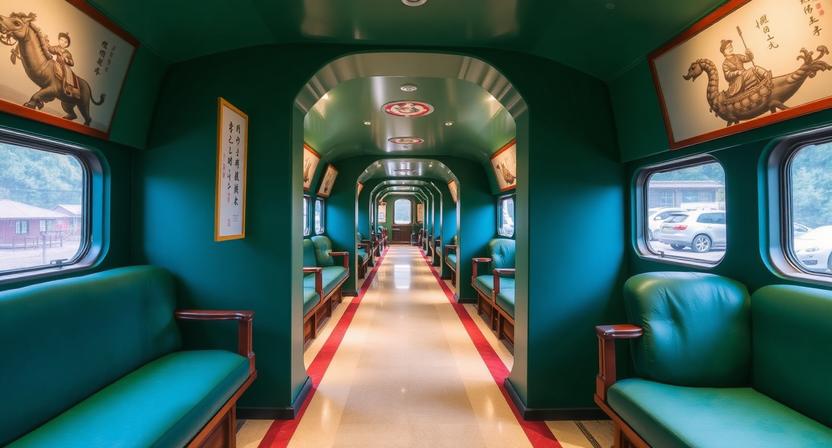
Image generated with Ai
On February 14, 2026, a Qilu No 1 tourism brand-themed train was launched. The train is a moving museum that integrates the concept of heritage and learning for passengers traveling between the provinces of Shandong and Hebei. The innovative train is a unique way for passengers to experience the culture of China. It is a fusion of learning and entertainment for passengers traveling through the historical territories of Shandong and Hebei provinces.
The move is a significant development in the tourism industry through the launch of a themed train with seven carriages on the following topics: bronze, jade, ceramics, ancient architecture, porcelain, traditional clothing, and stone carvings. The move is a boost for the tourism industry and a potential driver for the development of cultural tourism in the provinces of Shandong and Hebei.
The Qilu No 1 tourism train is not just a mode of transportation, but a transformative travel experience. By acting as a “rolling museum and mobile classroom,” the train allows passengers to explore thousands of years of Chinese history while traveling comfortably. With high-tech features such as the Doubao AI app for real-time explanations and interactive games, passengers can engage with the artifacts and enhance their tourism experience.
This innovative model reflects the growing demand for immersive cultural tourism experiences, where heritage and modern travel seamlessly merge. Interactive learning onboard, combined with comfortable travel, not only makes heritage more accessible but also provides a new platform for education in tourism. For tourists looking to deepen their understanding of China’s cultural heritage, this train is an educational tourism product that brings history to life in a way traditional museums cannot.
Advertisement
As tourism in China continues to grow, this mobile museum initiative is poised to stimulate tourism growth in Shandong and Hebei provinces. By offering an innovative way to experience Chinese history, the Qilu No 1 tourism train contributes directly to the cultural tourism sector. These two provinces, home to ancient cultural landmarks, are now able to position themselves as premium destinations for domestic and international tourists interested in exploring China’s rich heritage.
The train’s route connects passengers to key cultural hubs like Tai’an, Jinan, Liaocheng, and Handan, allowing travelers to easily access historical sites such as the Daimiao Temple, Shandong Museum, and the Grand Canal. This cultural corridor provides a new opportunity for cultural tourism that drives local tourism growth, supports local businesses, and contributes to the development of tourist infrastructure in the region.
Advertisement
Advertisement
By incorporating interactive activities in two dedicated entertainment carriages, the Qilu No 1 tourism train enhances the tourist experience, making it not just about traveling from point A to point B, but about engaging with local culture in real time. The cultural relic matching challenges and treasure hunts make the journey an exciting learning adventure, which is likely to attract younger travelers, families, and education-focused groups.
These interactive elements create an engaging tourism product that appeals to a growing demand for more hands-on experiences in the tourism sector. The ability to earn a tourism pamphlet by visiting museums along the route also encourages tourist exploration, boosting visits to local tourism sites and contributing to the regional economy. As China’s tourism industry evolves, interactive tourism experiences like these are key to attracting diverse travelers, from history enthusiasts to families and young people.
The Qilu No 1 tourism train also contributes significantly to the economic growth of Shandong and Hebei by driving tourism-related spending. As passengers engage with local tourism offerings, spend on accommodations, dining, and activities, they stimulate local businesses and create new job opportunities in the region. The increased tourism flow also supports the expansion of tourism infrastructure, including the development of new hotels, restaurants, and retail opportunities, enhancing the local economy.
Moreover, rail tourism has the potential to boost regional tourism by making it easier for tourists to visit multiple destinations in a short period of time. The Qilu No 1 tourism train serves as a perfect example of how transportation innovations can be harnessed to improve accessibility and convenience, driving growth in the tourism sector while supporting sustainable travel.
The Qilu No 1 tourism train is a prime example of sustainable tourism growth, combining heritage preservation with modern technology to create a more eco-friendly travel option. Rail travel is inherently more sustainable than air travel, and the train’s focus on cultural education and interactivity makes it an ideal model for sustainable tourism experiences. By emphasizing heritage tourism and supporting the conservation of historical sites, the train helps preserve China’s cultural legacy while fostering responsible tourism practices.
The ongoing development of this type of interactive tourism experience supports China’s broader goals for sustainable tourism that balances growth with environmental responsibility. As the Qilu No 1 tourism train expands, it will continue to play a vital role in the growth of China’s tourism industry, offering a blueprint for other regions to follow.
The Qilu No 1 tourism train provides an innovative and exciting way of experiencing China’s rich heritage and contributes to the development of tourism in Shandong and Hebei provinces. The project aims at promoting tourism in China and enhancing the economic growth of the regions. The use of technology in an interactive way and a focus on sustainability ensure a new level of excellence in cultural tourism in China.
The increasing demand for experiential tourism has made the Qilu No 1 tourism train a pioneering model in China that combines education and entertainment in a single tour. The train has shaped the future of rail tourism and cultural tourism in China.
Advertisement
Tags: cultural heritage tourism growth, moving museum train China, Qilu No 1 tourism train Shandong, regional development tourism China, tourism impact Shandong Hebei


















Saturday, February 28, 2026

Saturday, February 28, 2026

Saturday, February 28, 2026

Saturday, February 28, 2026
Saturday, February 28, 2026

Saturday, February 28, 2026

Saturday, February 28, 2026

Saturday, February 28, 2026