Published on February 23, 2026
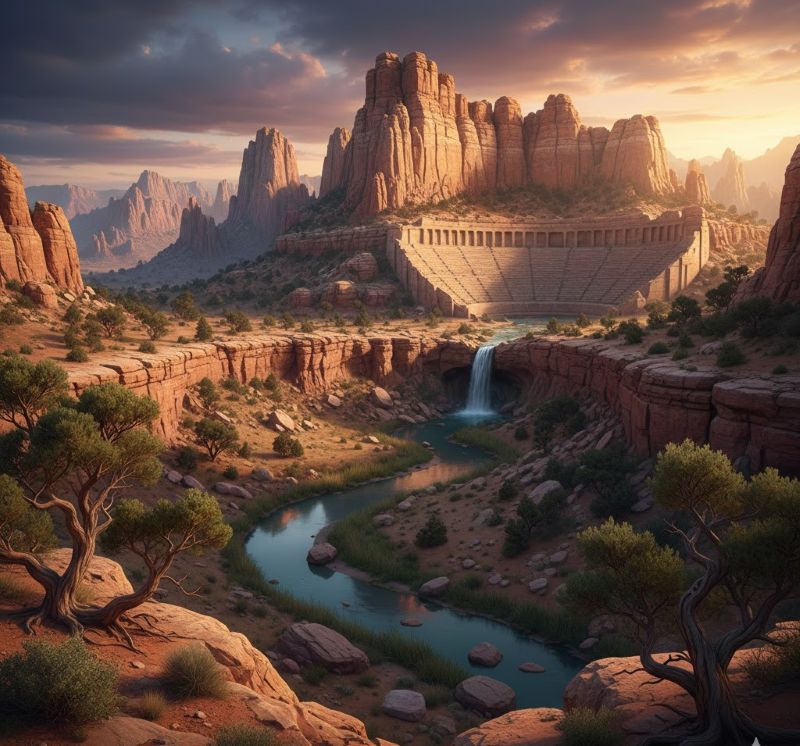
Image generated with Ai
Ridgecrest Unites Big Pine, Tehachapi, Santa Barbara, Blythe, San Jose, And Los Angeles, Forget The Modern World And Travel To These Insane Ten-Thousand-Year-Old Hidden Kingdoms That Are Actually Hiding In Plain Sight Across California. California is often celebrated for its modern cities, sprawling coastlines, and cutting-edge technology. But beneath the surface of this bustling state lies an incredible secret, hidden kingdoms that have been around for thousands of years. From the mystic Coso Rock Art in Ridgecrest to the ancient Bristlecone Pines of Big Pine, California is a treasure trove of historical wonders that still remain largely unexplored by the masses.
Forget the fast-paced world we live in, where skyscrapers and highways dominate the landscape. Instead, immerse yourself in the untouched beauty and history of California’s ancient landmarks. These incredible sites—from Tehachapi’s ancient village remnants to the striking geoglyphs of Blythe—offer a rare opportunity to travel back in time, connecting us to civilizations and cultures that existed 10,000 years ago. Santa Barbara’s Chumash Painted Cave and San Jose’s Rosicrucian Egyptian Museum present another fascinating layer, where ancient art and artifacts tell stories of the past that still resonate today.
These insane hidden kingdoms, rich in history, are waiting to be explored, and they’re right in front of us, hiding in plain sight. Ridgecrest ties these magnificent sites together, serving as the gateway to an unforgettable journey through California’s ancient past. Whether you’re an avid history enthusiast, a student of archaeology, or simply someone with a curiosity to explore, these hidden kingdoms offer something truly extraordinary—an adventure that blends the ancient and the modern, making it a must-visit in 2026.
Los Angeles: The Ice Age Urban Wonder
Advertisement
Los Angeles, one of the world’s most renowned urban hubs, pulsates with the vibrancy of modern life, offering everything from high-end shopping districts to entertainment empires. However, buried beneath this metropolis lies a remarkable and unexpected treasure: the La Brea Tar Pits. Located in the heart of the city’s Miracle Mile district, this extraordinary site offers a fascinating glimpse into the Pleistocene epoch, a time when the region was home to towering mammoths, sabre-toothed cats, and dire wolves.
The La Brea Tar Pits are the only active Ice Age excavation site in the world, making them a truly unique attraction for both history enthusiasts and casual tourists alike. These tar pits, which have been excavated for over a century, serve as natural traps that preserved the bones of numerous extinct creatures. The site continues to be a centre of ongoing excavation, with Project 23, a current excavation effort, unearthing fossils that date back between 11,000 and 50,000 years. These discoveries provide rare insights into the Ice Age and offer a vivid picture of the creatures that once roamed this region.
Advertisement
Advertisement
Visitors to the La Brea Tar Pits have the opportunity to witness paleontologists at work. The Excavator Tour is a guided behind-the-scenes experience, where you can visit active dig sites and learn firsthand how these fossils are uncovered and preserved. The museum located alongside the pits showcases some of the remarkable discoveries, including mammoth bones, the skull of a saber-toothed cat, and the fossils of dire wolves. This combination of scientific discovery and cultural history makes the La Brea Tar Pits an essential experience for anyone visiting Los Angeles, bridging the gap between a bustling modern city and the ancient creatures that once roamed its land.
San Jose: The Global Antiquity Collection
Known globally as the heart of Silicon Valley, San Jose is the epicentre of technological innovation and modernity. Yet, just a short distance from this hub of cutting-edge progress lies a window into the ancient past. The Rosicrucian Egyptian Museum in San Jose is a treasure trove of antiquities, housing the largest collection of authentic Egyptian artifacts on the West Coast.
The museum offers an immersive experience that transports visitors to the world of ancient Egypt. With its Tomb Tour, the museum features a full-size composite replica of a rock-cut tomb based on those found at Beni Hasan. This detailed reconstruction allows visitors to step into the time of the pharaohs and explore the burial practices and spiritual beliefs that governed Egyptian society over 4,000 years ago.
The collection spans millennia, showcasing intricately designed artifacts, statues, mummies, and everyday items used in ancient rituals and daily life. The museum offers an unparalleled opportunity to connect with one of the most advanced and captivating civilizations in history, and with Silicon Valley only a stone’s throw away, this site perfectly blends ancient heritage with modern innovation, providing a unique cultural experience for both history buffs and tech enthusiasts.
Blythe: The Earth-Drawing Geoglyphs
The Blythe Intaglios, a set of massive geoglyphs etched into the desert floor near Blythe, California, are one of the state’s most intriguing archaeological wonders. Stretching across the vast desert landscape, these geoglyphs—some of the largest in North America—are often compared to the famous Nazca Lines of Peru due to their scale and mysterious nature. Unlike the Nazca Lines, however, the Blythe Intaglios are accessible on foot, allowing visitors to explore the figures and their surrounding desert environment up close.
The Blythe Intaglios were created by the Mohave and Quechan peoples between 450 and 2,000 years ago, offering a fascinating glimpse into the ancient cultures of the region. The geoglyphs depict human figures and animals, some of which stretch over 100 feet in length. The figures were created by scraping away the dark desert pavement to reveal the lighter soil beneath, a technique that still leaves these ancient symbols visible today.
These sacred earth drawings offer a window into the spiritual and cultural practices of the Mohave and Quechan peoples, symbolising their deep connection to the land. The Bureau of Land Management (BLM) protects the site, and visitors can explore the geoglyphs via self-guided walking tours. The Blythe Intaglios are a rare and striking example of pre-Columbian art that provides a unique and personal connection to the region’s indigenous cultures.
Santa Barbara: The Painted Caves
Nestled in the rugged mountains above Santa Barbara, the Chumash Painted Cave houses some of the finest prehistoric rock art in North America. The cave is adorned with vibrant pictographs created by the Chumash people, who lived in the region for thousands of years. These rock paintings, which depict celestial bodies, animals, and abstract symbols, provide a glimpse into the spiritual beliefs and worldview of the Chumash, who had a complex and sophisticated culture.
The Chumash Painted Cave offers visitors a rare opportunity to view this ancient artwork up close, though it is protected by a grate to ensure its preservation. The cave is part of the Chumash Painted Cave State Historic Park, and interpretive signage around the site helps visitors understand the cultural and spiritual significance of the symbols. The Chumash were known for their intricate understanding of the stars, their deep connection to nature, and their spiritual practices, all of which are reflected in the artwork found in the cave. Image generated with Ai
The Chumash Painted Cave is an essential stop for anyone interested in prehistoric art and the cultures of California’s indigenous peoples. Its accessibility and preservation highlight the importance of maintaining these cultural sites for future generations to appreciate.
Tehachapi: The Lost Village of Tomo-Kahni
In the mountains of Kern County, the Tomo-Kahni State Historic Park preserves the remains of an ancient village once inhabited by the Kawaiisu (Nuwa) people. This seasonal village, rich in archaeological features such as bedrock mortars and pictographs, offers a rare look into the lives of California’s indigenous peoples. The site was once used by the Kawaiisu for processing acorns, a staple of their diet, and its features provide a glimpse into their daily life and cultural practices.
Visitors to the park can explore the village through guided tours offered in the spring and fall, where knowledgeable docents explain the significance of the site and its role in the Kawaiisu’s seasonal migration. These tours provide an enriching experience, allowing visitors to connect with California’s indigenous past in a meaningful and educational way.
Tomo-Kahni State Historic Park is a crucial part of California’s efforts to preserve its indigenous heritage and is an essential destination for anyone seeking a deeper understanding of the region’s history.
Big Pine: The Oldest Living Wonders
Located in the White Mountains of California, the Bristlecone Pine Forest is home to some of the oldest living trees on Earth, including the Methuselah Tree, which is over 4,800 years old. These Bristlecone pines are the oldest non-clonal organisms, making the forest a living testament to the resilience of nature. The Methuselah Trail offers visitors the chance to explore the Schulman Grove, where these ancient trees stand tall, having endured the harshest of environmental conditions over millennia.
The Bristlecone Pine Forest offers a profound connection to the natural world and a powerful reminder of the longevity of life. For those interested in nature, the forest provides an unforgettable experience, while also offering a quiet retreat from the modern world. The resilience of the trees is a fitting symbol of the endurance of nature itself.
Ridgecrest: The Coso Rock Art
Near Ridgecrest, California, the Coso Rock Art District holds one of the largest concentrations of petroglyphs in the world. These rock carvings, created by the region’s ancient inhabitants over 10,000 years ago, offer an incredible insight into the lives of early peoples in the California desert. The Coso Rock Art features more than 100,000 petroglyphs depicting bighorn sheep, hunters, and abstract patterns, some of which have spiritual significance.
The site is located on a military base, and access is strictly controlled. Tours are organised by the Maturango Museum, and visitors must obtain permits to visit the site. Despite its remote location, the Coso Rock Art is an essential cultural landmark, offering a unique opportunity to connect with California’s ancient past. It’s a perfect example of the rich indigenous heritage that still survives in the state.
The Importance of Ancient Wonder Tours: Unlocking the Secrets of the Past
Imagine standing at the foot of an ancient tree that has lived for thousands of years, walking through the ruins of a long-forgotten village, or witnessing the excavation of fossils that date back to the Ice Age. Ancient wonder tours are more than just a chance to visit historical sites—they are a journey that connects us to the deep-rooted history of our world. These immersive experiences offer travelers an opportunity to step into the past, explore the wonders of ancient civilizations, and engage with humanity’s shared heritage in a way that no textbook can replicate. From the La Brea Tar Pits in Los Angeles to the Coso Rock Art in Ridgecrest, each of these incredible sites is a treasure trove of historical and cultural significance, inviting us to learn, reflect, and grow.
Traveling to the Past: Immersing Yourself in History Like Never Before
There’s something uniquely powerful about standing in the very spot where history was made. Ancient wonder tours offer a rare opportunity for immersion—taking us beyond the classroom and textbooks into the very heart of history. Imagine walking the same ground where mammoths once roamed, as you do at the La Brea Tar Pits in Los Angeles. This site, the only active Ice Age excavation site in the world, is not just a place to look at fossils; it’s a place where history comes to life. Visitors can witness paleontologists at work, uncovering the remains of saber-toothed cats, dire wolves, and ancient mammoths that lived thousands of years ago.
This kind of immersion connects us to the past in a way that traditional learning methods cannot. In the midst of the Coso Rock Art District in Ridgecrest, where over 100,000 petroglyphs remain etched in basalt rock, visitors can see evidence of the region’s earliest inhabitants, whose art tells stories of spirituality, daily life, and survival. Here, as you walk through the desert landscape, the petroglyphs speak to you, offering a personal connection to a culture that thrived 10,000 years ago.
When we travel to these ancient sites, we are no longer passive observers but active participants in the story of humanity. Each step taken on these ancient grounds is a reminder that our story is intertwined with those who came before us, and these sites allow us to experience history in a visceral and profound way.
A Global Classroom: Expanding Learning Beyond Boundaries
One of the greatest advantages of ancient wonder tours is their ability to turn the world into a global classroom. Rather than learning from static books or digital presentations, these tours allow us to engage directly with history in its original context. For students, these tours provide an experiential learning opportunity that cannot be replicated in a traditional classroom setting.
For example, the Rosicrucian Egyptian Museum in San Jose offers a deep dive into the ancient world of Egypt. With its collection of authentic Egyptian artifacts, the museum provides a fascinating opportunity to step back over 4,000 years into the world of the pharaohs. Visitors can explore the Tomb Tour, which showcases a replica of an ancient Egyptian tomb from Beni Hasan. Students can learn not only about the ancient Egyptian burial process but also about their culture, religion, and daily life, all while standing next to artifacts that have been preserved for millennia.
Similarly, the Chumash Painted Cave in Santa Barbara offers an extraordinary lesson in the art and culture of North America’s Chumash people. The vibrant rock paintings on the cave walls offer a unique glimpse into their spiritual world, portraying celestial bodies, animals, and abstract symbols. This direct connection with ancient art creates a far deeper understanding than any textbook could provide, making the global classroom come alive in a way that no virtual learning environment can replicate.
Traveling to these sites broadens our perspectives, allowing us to learn not only about the past but also about how different cultures have shaped our world. It challenges the boundaries of traditional education, offering students a global view of history and culture that enhances their understanding of the world. Image generated with Ai
Ancient Wonder Tours for Students: Igniting Curiosity and Sparking Inspiration
For students, ancient wonder tours are transformative. These tours do not merely provide facts and dates but inspire curiosity, critical thinking, and a deeper appreciation for the complexity of human history. Students who walk through the Tomo-Kahni State Historic Park in Tehachapi will find themselves transported back in time as they learn about the Kawaiisu people and their seasonal village. This ancient site, preserved with bedrock mortars and pictographs, offers an interactive learning experience that allows students to understand how indigenous people lived in harmony with nature.
The Blythe Intaglios, a series of massive geoglyphs created by the Mohave and Quechan peoples, also offer a powerful educational experience. These geoglyphs, which range from human figures to animals, were crafted by scraping away the dark desert pavement to reveal lighter soil. The fact that these geoglyphs have lasted for 450 to 2,000 years offers students a lesson in the durability of ancient art and the significance of symbolism in indigenous cultures. Self-guided tours allow students to explore the artwork up close, encouraging them to ask questions and engage with the site in a personal and meaningful way.
By witnessing ancient wonders in person, students are able to take ownership of their learning and develop a deep connection to history that will stay with them for life. These tours not only broaden their knowledge but also cultivate a lifelong passion for learning.
Connecting to Humanity: A Journey Through Time
At its core, ancient wonder tours provide a powerful opportunity for visitors to connect with humanity on a deeply personal level. These sites—whether it’s the Bristlecone Pine Forest in Big Pine or the La Brea Tar Pits—are more than just places to visit; they are places to reflect on the shared human experience. The Bristlecone Pines, some of the oldest living organisms on the planet, stand as living testaments to the resilience of life. These trees, some over 4,800 years old, have withstood harsh environments and extreme weather, offering a symbol of endurance that resonates across cultures and time periods.
The Coso Rock Art, with its petroglyphs etched into the desert landscape, tells the story of people who lived in close relationship with the land, hunting, worshipping, and surviving in a harsh environment. These ancient carvings provide insight into the spirituality and daily lives of indigenous peoples, connecting us to their humanity and reminding us that our stories are not so different.
Whether it’s the fascinating excavation of Ice Age fossils or the ancient rock art left behind by early settlers, these tours offer more than just a glimpse into the past—they offer a profound connection to humanity itself. We are reminded that we are part of a larger narrative that spans time, culture, and geography, and by visiting these sites, we celebrate the shared legacy of human civilization.
Why the Ancient Lands Tour Will Be a Must-Do Experience in 2026
As 2026 approaches, the allure of ancient lands beckons like never before. From the fossil-rich grounds of Los Angeles to the mystical rock art of Ridgecrest, the coming year promises to be the perfect time for travelers to embark on a journey through time. The Ancient Lands Tour will take visitors on an immersive adventure through some of the most remarkable and historically significant sites in California. For history enthusiasts, students, and curious wanderers alike, this tour will be an unmissable experience, offering a chance to connect with humanity’s deep past.
In Los Angeles, the tour kicks off with a visit to the iconic La Brea Tar Pits, a rare site where Ice Age fossils continue to be unearthed. The La Brea Tar Pits remain the only active Ice Age excavation site in the world, providing a fascinating peek into the Pleistocene epoch. As you walk the grounds, you’ll encounter the remains of mammoths, saber-toothed cats, and dire wolves—creatures that once roamed the area thousands of years ago. The Excavator Tour allows visitors to witness paleontologists at work, offering an authentic glimpse into the scientific process of uncovering these ancient wonders.
Next, the Rosicrucian Egyptian Museum in San Jose invites travelers to step into the world of the pharaohs. Home to the largest collection of Egyptian artifacts on the West Coast, this museum takes visitors on a journey through over 4,000 years of Egyptian history. The museum’s Tomb Tour, with a replica of a Middle Kingdom tomb from Beni Hasan, offers an immersive experience that will captivate anyone fascinated by the ancient world. The chance to explore the treasures of Egypt so far from the Nile Valley is an exceptional opportunity to connect with a civilization that continues to inspire awe.
As the tour continues, Blythe’s Intaglios—massive earth-drawing geoglyphs created by the Mohave and Quechan peoples—offer a stunning reminder of the artistic genius of ancient civilizations. The Blythe Intaglios, dating back between 450 and 2,000 years, are comparable to the Nazca Lines of Peru, with large figures of humans and animals etched into the desert floor. Walking among these geoglyphs allows travelers to step into the spiritual and cultural world of the indigenous peoples who lived in the region long before modern development took hold.
In Santa Barbara, visitors will experience the Chumash Painted Cave, one of North America’s most significant examples of prehistoric rock art. The vibrant pictographs inside the cave, created by the Chumash people, depict animals, celestial bodies, and abstract symbols. This awe-inspiring site provides a rare connection to California’s indigenous heritage, offering a glimpse into the worldview of a people whose culture flourished for thousands of years.
Finally, the Coso Rock Art near Ridgecrest offers one of the largest concentrations of petroglyphs in the world. Dating back over 10,000 years, these carvings provide an extraordinary window into the lives and beliefs of ancient desert dwellers. As part of a military base, access to this sacred site is restricted, but with special permits, visitors can view this stunning rock art, which tells the story of early California inhabitants.
In 2026, the Ancient Lands Tour will not only be an unforgettable journey through time but also an unparalleled opportunity to connect with our collective human heritage, ensuring that the stories of the past continue to inspire and captivate us. Image generated with Ai
In conclusion, the Ancient Lands Tour through California’s hidden kingdoms offers an unforgettable journey into the past, where history comes alive through archaeological marvels that are far from the ordinary. Ridgecrest, acting as the central point that unites Big Pine, Tehachapi, Santa Barbara, Blythe, San Jose, and Los Angeles, guides you through these insane and mystical sites. They are tucked away, yet they are hiding in plain sight, waiting to be discovered.
As you travel across California, you step into 10,000-year-old hidden kingdoms that speak volumes about our shared human heritage. The La Brea Tar Pits in Los Angeles offer an immersive look into the Ice Age, where ongoing excavations unearth mammoths, dire wolves, and saber-toothed cats. In Big Pine, the Bristlecone Pines, some of the oldest living organisms on Earth, invite reflection on nature’s resilience. Further, Santa Barbara’s Chumash Painted Cave and Blythe’s geoglyphs beautifully connect us with ancient California cultures, where the art and symbols created thousands of years ago continue to inspire awe. The Rosicrucian Egyptian Museum in San Jose brings Egypt to the West Coast, allowing us to immerse ourselves in the mystery of ancient Egyptian civilization.
These hidden kingdoms are not just places to visit—they are portals to a time that, despite its distance, still has a powerful resonance with our modern world. They reveal the timeless connection between humans and the environment, showing us the art, innovation, and spirituality that early societies expressed through rock art, fossils, and ancient tools. In Ridgecrest, where some of the world’s oldest petroglyphs remain intact, and at each of these other spectacular sites, travelers can gain a deeper understanding of humanity’s shared history.
So, as 2026 approaches, forget the modern world for a while and dive into these awe-inspiring wonders. The Ancient Lands Tour promises to be an unmissable adventure—an opportunity to connect with our distant ancestors and discover that the past is never truly gone. It’s waiting to be found, hiding in plain sight, and ready for you to explore.
Advertisement

















Monday, February 23, 2026

Monday, February 23, 2026

Monday, February 23, 2026

Monday, February 23, 2026

Monday, February 23, 2026
Monday, February 23, 2026
Monday, February 23, 2026

Monday, February 23, 2026