
Seoul Opens New National Sports Museum at Olympic Park, Korea

Published
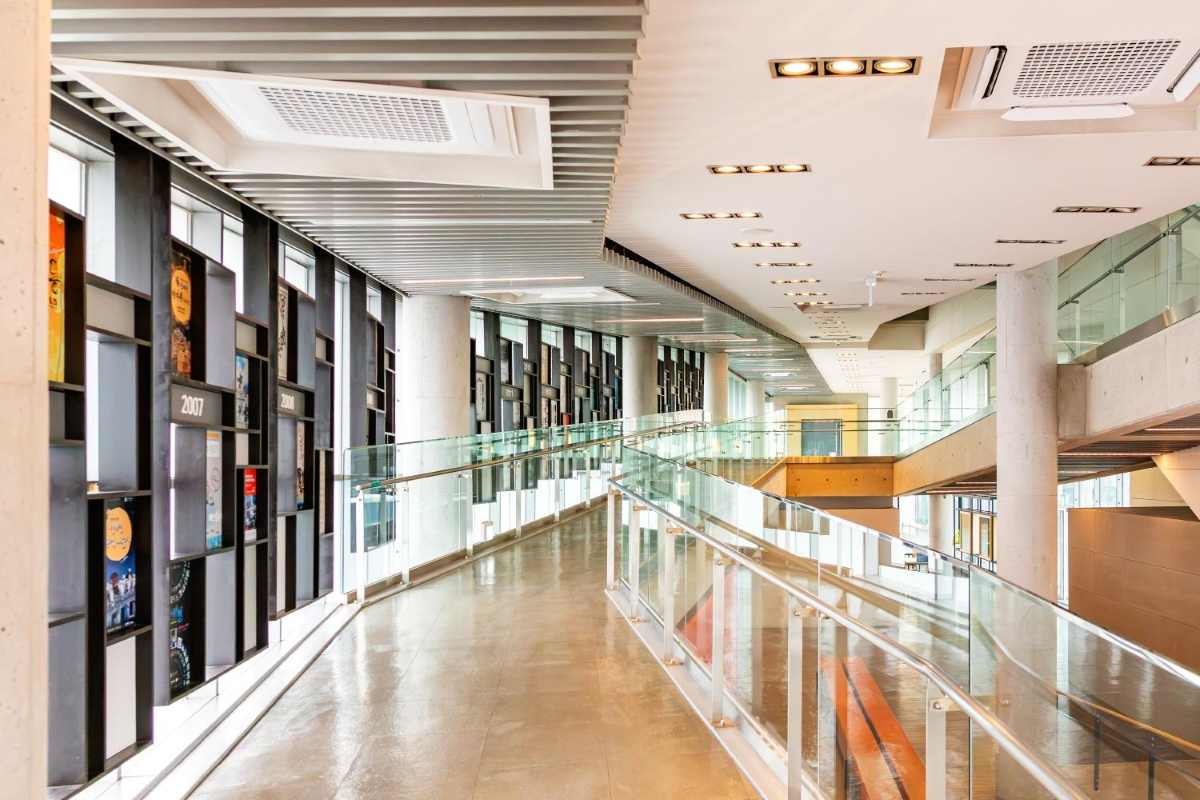
The conceptualization and realization of the National Sports Museum of Korea stem from a long-standing government initiative to systematically archive and exhibit the nation’s rich athletic history. For decades, memorabilia, equipment, and historical records detailing South Korea‘s rise as a global sporting powerhouse were scattered across various temporary exhibits, private collections, or institutional archives. Recognizing the need for a centralized repository, planning commenced to establish a permanent home capable of housing tens of thousands of historical items. Situated in Olympic Park within the Songpa district of Seoul, the museum benefits from a location steeped in athletic legacy, having previously hosted the historic 1988 Seoul Olympic Games. This deliberate choice of venue ensures that visitors are immediately immersed in an environment where past glory and contemporary recreation converge.
Impact on Travellers
The opening of this facility is anticipated to significantly enrich the itinerary options available to international and domestic travelers visiting South Korea. Beyond traditional sightseeing landmarks, tourists now have access to an immersive cultural institution that bridges the gap between historical education and active engagement. Spanning six levels, the museum houses approximately 70,000 sports-related items, offering visitors a comprehensive journey through the nation’s athletic milestones. Permanent exhibition galleries located on the second and third floors display treasured artifacts such as the winner’s medal awarded to Suh Yum-bok at the 1947 Boston Marathon, football boots belonging to pioneer Kim Yong-sik, and the competition uniform worn by Yang Jung-mo, South Korea‘s first Olympic gold medallist. Furthermore, visitors can examine iconic memorabilia from the 1988 Seoul Olympic Games, including the official Olympic torch and the symbolic hoop utilized during the opening ceremony.
To complement these static displays, a strong emphasis has been placed on interactive visitor experiences. Guests can participate in activities such as the My Record Card and the Iconic Moments Studio, while special mission-based stamp tours are regularly organized to encourage deeper exploration. Additionally, the integration of a newly renovated Seoul Olympic Museum—featuring a dedicated children’s museum, a specialist sports library, and hands-on educational spaces—ensures that travelers of all age groups find tailored educational and recreational value.
Tourism Surge and Complementary Attractions
In conjunction with the inauguration of the National Sports Museum of Korea, the region is experiencing a notable surge in sports and cultural tourism. Travelers arriving in Seoul to explore the new museum are increasingly seeking complementary destinations within the capital and its surrounding districts to round out their itineraries. To fully appreciate the intersection of heritage, modernity, and recreation in South Korea, visitors are encouraged to explore several key nearby sites and experiences:
Advertisement
Advertisement
- The Seoul Olympic Sculpture Park: Encompassing a vast outdoor area within Olympic Park, this space displays over 200 monumental sculptures created by renowned international and domestic artists, seamlessly blending physical recreation with world-class public art.
- Lotte World Tower and Seokchon Lake: Located nearby in the Songpa district, this architectural marvel offers panoramic observation decks overlooking the capital, while the adjacent lake provides tranquil walking paths and seasonal festival views.
- Han River Parks (Hangang): Essential for understanding modern local recreational culture, these riverside parks offer dedicated cycling paths, water sports rentals, and vibrant social spaces frequented by residents and tourists alike.
- The National Museum of Korea and War Memorial of Korea: For travelers seeking a broader historical context regarding the nation’s development, these central institutions offer deep insights into Korean history, culture, and societal evolution.
Industry Insights
Industry analysts and tourism stakeholders view the establishment of the National Sports Museum of Korea as a strategic enhancement to the nation’s cultural tourism portfolio. By diversifying the tourism offerings beyond traditional palaces, shopping districts, and culinary tours, South Korea is effectively capturing the growing niche of sports heritage tourism. During the official opening ceremony, Chae Hwi-young, South Korea‘s Minister of Culture, Sports and Tourism, underscored the profound significance of the institution, noting that the history of Korean sports is defined not only by the records set by athletes, but also by the collective memories of all the people who cheered and celebrated those moments together. Industry observers suggest that such institutional storytelling fosters deeper emotional connections with international visitors, translating into extended average lengths of stay and increased regional expenditure.
Practical Information
For travelers planning a visit to the National Sports Museum of Korea, the facility is situated within Olympic Park in the Songpa district of Seoul, South Korea. The museum occupies a multi-level structure featuring permanent exhibition galleries, a special exhibition space, a café on the first floor, and a rooftop garden on the fourth floor. Operating details, ticketing procedures, and scheduling for specialized educational programmes and interactive zones can be accessed via the official portal at sportsmuseum.kspo.or.kr. Public transportation links, including extensive subway access via the surrounding metropolitan transit network, make the site easily accessible from all major districts within the capital.
Advertisement
Advertisement
Comparison with Previous Policies or Developments
In contrast to earlier government approaches—which often relied on temporary exhibitions, localized displays, or disjointed regional monuments to commemorate athletic achievements—current tourism and cultural policies emphasize centralized, permanent, and highly interactive infrastructure. Previous developments in the sports sector were primarily focused on hosting major international events or maintaining athletic training facilities without dedicated public exhibition spaces of this scale. The realization of the National Sports Museum of Korea, paired with the comprehensive renovation of the existing Seoul Olympic Museum, marks a definitive shift toward holistic heritage preservation, public education, and experiential tourism management in South Korea.
Image Source- Visit Seoul
Advertisement
