
Brussels Airport Strengthens Hospitality Network With Strategic Novotel Hotel Acquisition: What You Need To Know

Published
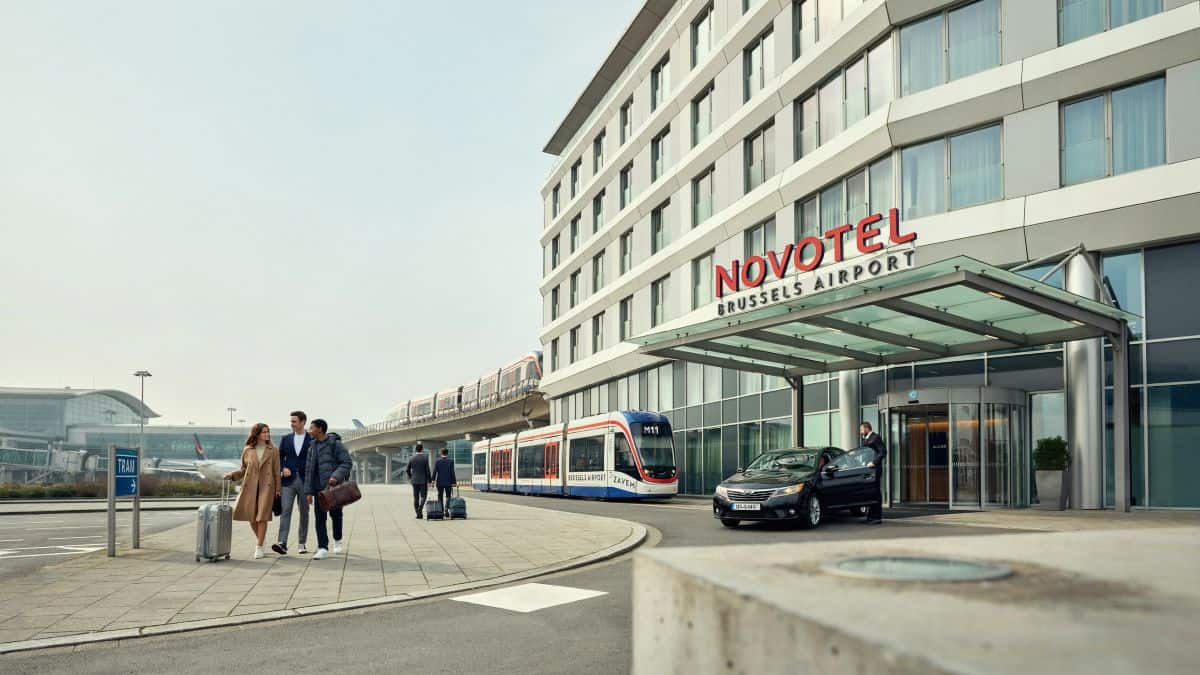
Brussels Airport is expanding its role beyond aviation operations by acquiring the building and land of the Novotel Brussels Airport hotel, creating a stronger connection between airport infrastructure, hospitality services and future passenger needs. The acquisition supports the airport company’s strategy of investing in airport-related assets while preparing for long-term growth in international travel.
Located less than two kilometres from Brussels Airport, the Novotel property occupies a strategically important location because it will benefit from the future airport tram connection. Once the new transport link becomes operational, travellers will be able to reach Brussels Airport from the hotel area in approximately five minutes with only two stops.
The acquisition reflects a wider trend among global airports that are investing in surrounding hospitality, transport and commercial facilities. Modern airports are increasingly becoming complete travel ecosystems where accommodation, mobility and passenger services work together to improve the overall journey.
Brussels Airport Expands Hospitality Strategy Through Novotel Acquisition
Brussels Airport Company acquired the Novotel Brussels Airport building and surrounding land from Covivio Hotels as part of its diversification strategy. While ownership of the property has changed, hotel operations remain unchanged, with Essendi continuing operations and Accor Group maintaining hotel management.
Advertisement
Advertisement
The decision allows Brussels Airport Company to strengthen its control over strategically important land near the airport while supporting future passenger growth. Airport-adjacent hotels play an important role for connecting passengers, business travellers, airline crews and visitors with early departures or late arrivals.
The Novotel Brussels Airport property complements the airport company’s existing hospitality investments. Brussels Airport Company already owns the Sheraton hotel located directly opposite the terminal building, providing immediate accommodation access for travellers.
Advertisement
Advertisement
The airport is also planning additional hotel development as part of its wider Hub 3.0 transformation project. The future development includes a new four-star hotel with around 300 rooms, designed to meet growing demand for airport accommodation.
Future Airport Tram Connection Will Improve Brussels Travel Experience
One of the biggest advantages of the Novotel acquisition is its connection with future transport improvements around Brussels Airport. The planned airport tram line will create a stronger link between the airport, Brussels city region and surrounding business areas.
The new tram infrastructure is part of a broader mobility strategy designed to make Brussels Airport easier to access through multiple transport options. The airport’s Hub 3.0 project focuses on creating a major intermodal transport hub where trains, buses, trams, cycling routes and other transport connections meet.
For hotel guests, improved public transport connectivity will reduce dependence on taxis and shuttle services while creating faster movement between accommodation and airport terminals. This is particularly valuable for international business travellers and tourists with tight schedules.
The future transport network will also support Brussels’ ambition to create a more sustainable and passenger-friendly airport environment by encouraging greater use of public transportation.
Brussels Travel Guide Exploring Belgium’s European Capital
Brussels remains one of Europe’s most important city destinations, combining political importance, historic architecture, cultural attractions and famous Belgian gastronomy. As the capital of Belgium and home to major European institutions, the city attracts both leisure and business travellers throughout the year.
Advertisement
Advertisement
Visitors often begin their journey at Grand Place, one of Europe’s most impressive historic squares and a UNESCO World Heritage Site. The area features remarkable architecture, cafés, museums and traditional Belgian experiences.
The city is also known for landmarks such as the Atomium, Royal Palace of Brussels, European Quarter and numerous art museums. Travellers can explore Belgium’s famous chocolate shops, enjoy local beer culture and discover traditional cuisine including waffles, fries and regional dishes.
Brussels also provides easy connections to other Belgian destinations. Travellers can take short journeys to Bruges, Ghent, Antwerp and Leuven, making the city an ideal base for exploring the country.
Improved airport connectivity and hotel investment could further strengthen Brussels’ appeal as a gateway for international visitors.
Airport Hotels Become Essential Part Of Modern Tourism Infrastructure
The acquisition of Novotel Brussels Airport highlights how airport hotels are becoming increasingly important within global travel systems. Airports are no longer viewed only as departure and arrival points; they are evolving into integrated destinations offering accommodation, shopping, dining and business facilities.
Airport hotels support multiple traveller groups, including passengers with early morning flights, long layovers, corporate visitors and airline employees. They also contribute to local tourism economies by creating jobs and encouraging longer visitor stays.
Advertisement
Advertisement
Brussels Airport’s investment strategy reflects this changing approach. By expanding ownership of hospitality assets, the airport can better coordinate passenger services and future development plans.
The move follows similar strategies used by major international airports that have invested in hotels, commercial districts and transport connections to improve competitiveness.
As global aviation becomes more customer-focused, airports are increasingly competing not only through flight networks but also through the quality of the overall travel experience.
Brussels Airport Hub 3.0 Project Prepares For Future Passenger Growth
The Novotel acquisition forms part of a larger transformation taking place at Brussels Airport. Through the Hub 3.0 programme, the airport is investing in expanded terminals, improved passenger flows and better transport connections.
The project includes terminal improvements, a new intermodal transport hub and a greener airport access route. The goal is to create a more efficient environment for passengers, employees and visitors.
A new hotel planned within the project will further increase accommodation capacity and support future tourism demand. Together with the Sheraton and Novotel properties, these developments will create a stronger hospitality network around the airport.
Advertisement
Advertisement
For travellers, these improvements mean easier connections, more accommodation choices and a smoother airport experience.
Brussels Airport Investment Strengthens European Travel Connectivity
The acquisition of Novotel Brussels Airport demonstrates how aviation companies are expanding beyond traditional airport operations. By investing in hospitality and transport infrastructure, Brussels Airport Company is preparing for the future needs of international travellers.
The development supports Belgium’s tourism sector by improving the visitor journey from arrival to accommodation. It also strengthens Brussels’ position as a European gateway connecting business travellers, tourists and international organisations.
As passenger expectations continue changing, airports must provide more than efficient flights. Comfortable accommodation, reliable transport links and integrated services are becoming essential elements of modern travel.
Brussels Airport’s latest investment shows how airports are becoming complete travel ecosystems designed around convenience, connectivity and long-term growth.
Advertisement
