Published on December 31, 2025
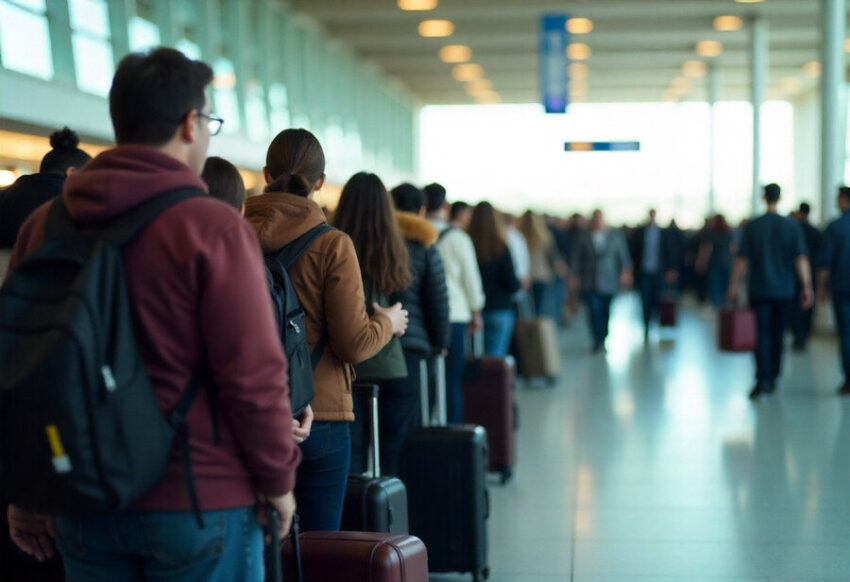
Saudi Arabia, Bahrain, Turkey, Egypt, Jordan, and Kuwait are among the Middle Eastern nations impacted by the US government’s new visa rules, which mandate biometric scans for all travelers entering and exiting the country. This change, effective from December 26, 2025, aims to enhance security measures and streamline the immigration process. As part of these stricter regulations, travelers from these countries, including Green Card holders and diplomats, will now undergo detailed biometric checks—such as facial recognition and fingerprint scanning—at all US entry points, including airports, seaports, and land borders. This marks a significant shift from previous exemptions, requiring all travelers to comply with these enhanced procedures.

As of December 26, 2025, the US government has implemented new, stricter immigration and border control measures that significantly affect non-US citizens, including Green Card holders. The most significant change in these updated rules is the mandatory biometric scans for all travelers entering and exiting the United States, a policy that will now be enforced at all US entry points, including airports, seaports, and land borders. This measure expands previous pilot programs and removes exemptions for certain categories of travelers.
Among the nations affected, Middle Eastern countries such as Saudi Arabia, Bahrain, Turkey, Egypt, Jordan, Kuwait, and others will face more detailed entry and exit procedures, including biometric data collection. In this content, we break down what these new rules entail, the specific countries impacted, and how travelers should prepare for the changes.
Starting December 26, 2025, the US Department of Homeland Security (DHS) has rolled out a new set of immigration and border control measures aimed at tightening security and streamlining travel processes. The most visible change is the mandatory collection of biometric data for all non-US citizens entering and leaving the country. This will now include:
These biometric details will be matched with travel records through the Traveler Verification Service, linking biometric data to passports and visas. In addition, biometric checks will no longer be limited to airports but will be expanded to seaports, land crossings, private aircraft, and pedestrian crossings, which were previously not part of the program.
Previously, certain categories of travelers were exempt from biometric checks, such as children under 14, adults over 79, and certain diplomats. However, the new rules have removed these exemptions. Now, anyone traveling to or from the US, including diplomats and many visitors from Canada, will be required to go through biometric checks.
Advertisement
The changes are also significant for Green Card holders. Permanent residents of the US will now face closer scrutiny when traveling internationally. US immigration authorities are particularly concerned about travelers from countries flagged for security reasons, and Green Card holders may be subject to additional checks or questions regarding their travel history, residence, and supporting documents.
Potential Re-Reviews of Immigration Cases
An important part of this new tightening of rules involves the re-review of immigration cases, particularly for those coming from countries with high-security concerns. The US government is reportedly re-examining and possibly re-interviewing individuals who applied for permanent status or citizenship, especially if they have ties to countries that are flagged as higher-risk.
This could include applicants whose cases date back several years, adding another layer of delay for those hoping to secure green cards or citizenship.
In addition to the more stringent biometric requirements, travelers can expect significant delays in visa processing and green card applications. As of December 2, 2025, the US Citizenship and Immigration Services (USCIS) announced a pause on processing green card, citizenship, and asylum applications from nationals of certain countries. This pause is expected to cause delays in the application process for travelers from these countries.
If you are a non-US citizen applying for a green card or citizenship, or if you are seeking asylum, be prepared for a longer waiting period as the backlog increases due to the new regulations.
One of the most controversial aspects of the new immigration rules is the expansion of travel bans for nationals from certain countries. As of January 1, 2026, the US government will impose a full travel ban on nationals from 12 countries, preventing them from entering the US for purposes of immigration or non-immigration. These countries include:
Partial travel restrictions will apply to nationals from seven more countries, including:
This means that applicants from these countries may face significant delays or outright denials of visas, green cards, or other travel permissions.
As part of these new measures, a significant number of Middle Eastern countries will be affected by the tighter US immigration controls and biometric scanning requirements. The US government’s policy change includes countries such as Saudi Arabia, Bahrain, Turkey, Egypt, Jordan, and Kuwait.
Here are the specific Middle Eastern nations impacted by the new biometric requirements and visa restrictions:
The following countries in the Middle East are also affected:
If you’re traveling to the US from any of these impacted countries, it’s crucial to prepare for the following:
Saudi Arabia, Bahrain, Turkey, Egypt, Jordan, and Kuwait are impacted by the US government’s new visa rules, which mandate mandatory biometric scans for all travelers to strengthen security and improve border control measures. This includes facial recognition, fingerprints, and iris scans at all entry points.
With the introduction of mandatory biometric scans, tighter visa rules, and stricter travel bans, the US government has significantly reshaped its immigration policies. While the changes may be challenging for travelers from the Middle East and other regions, it’s clear that the aim is to strengthen security and improve immigration processes. If you are planning to travel to the US, make sure to stay informed and prepared to comply with these new rules to ensure a smooth journey.
Advertisement










Wednesday, December 31, 2025

Wednesday, December 31, 2025

Wednesday, December 31, 2025

Wednesday, December 31, 2025

Wednesday, December 31, 2025
Wednesday, December 31, 2025

Wednesday, December 31, 2025

Wednesday, December 31, 2025