
Saudi Arabia Joins Oman, Qatar, UAE, Kuwait, Bahrain, Iraq and More in Middle East Plunging Global Crude Oil Markets, Resulting in Heavy Travel Expense Growth in US, UK, Canada, Germany, China, India: Everything You Need to Know

Published
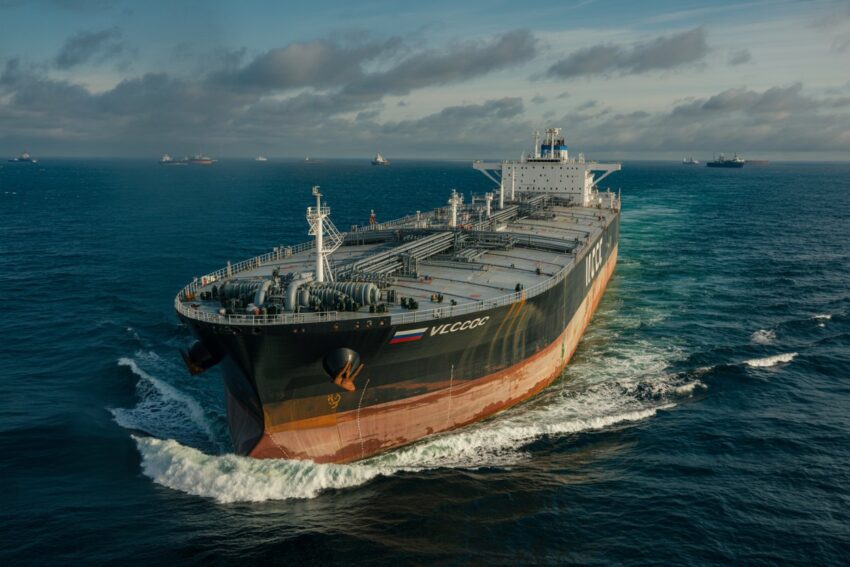 Image generated with Ai
Saudi Arabia joins Oman, Qatar, UAE, Kuwait, Bahrain, Iraq and more in Middle East plunging global crude oil markets, resulting in heavy travel expense growth in US, UK, Canada, Germany, China, India, as escalating conflict-driven disruptions hit energy supply chains and key export routes. Repeated attacks on oil infrastructure, shipping lanes and production hubs have tightened global supply, pushing fuel prices sharply higher and forcing airlines to raise fares, add surcharges and reroute flights. This surge in operational costs is directly impacting travellers, increasing ticket prices and logistics expenses worldwide. As instability spreads across the Middle East, the ripple effects on aviation, tourism and global mobility are becoming unavoidable, reshaping travel demand and cost structures.
Saudi Arabia: Oil Price Gains Offset Tourism and Aviation Losses
 Image generated with Ai
Saudi Arabia presents a paradoxical scenario: while surging oil prices have boosted revenues, disruptions to infrastructure and tourism are weighing on the broader economy. The partial shutdown of Ras Tanura and ongoing aerial threats over eastern energy corridors have introduced operational risks, even as النفط prices remain elevated.
Advertisement
Advertisement
From a tourism perspective, the impact is pronounced. Major events, including Formula One races, have been cancelled or rescheduled, undermining the Kingdom’s Vision 2030 ambitions to position itself as a global tourism hub. International travellers from the US, UK, Germany, China, India, and Canada are increasingly hesitant, leading to reduced bookings and shifting itineraries.
Airlines are adjusting routes to avoid conflict zones, increasing flight times and operational costs. While Saudi Arabia’s East-West pipeline offers some resilience in oil exports, the aviation and tourism sectors are facing immediate setbacks. Travel costs globally are rising as airlines incorporate higher fuel and insurance premiums, with long-haul ticket prices increasing by an estimated 10–18%.
Advertisement
Advertisement
| Sector | Disruption | Global Travel Impact |
|---|---|---|
| Oil Infrastructure | Ras Tanura partial shutdown | Price volatility |
| Tourism | Event cancellations | Reduced inbound travel |
| Aviation | Airspace risks | Longer routes, higher fares |
| Non-oil Economy | Slower growth | Tourism revenue decline |
Oman: Maritime Instability and Indirect Tourism Impact
 Image generated with Ai
Oman’s exposure is primarily maritime, with disruptions centred around the Strait of Hormuz and Duqm port. Attacks on shipping routes have increased insurance costs and disrupted global supply chains, indirectly affecting tourism and travel logistics.
While Oman has avoided large-scale direct strikes, its proximity to conflict zones has impacted cruise tourism and port-based travel. International travellers from the US, UK, Germany, India, China, and Canada are facing higher travel costs as shipping disruptions translate into broader economic pressures, including fuel price increases.
Advertisement
Advertisement
Airlines and cruise operators are recalibrating routes to avoid high-risk areas, leading to longer travel times and increased operational costs. Oman’s tourism sector remains operational but cautious, with a noticeable decline in international arrivals and cruise itineraries.
| Sector | Disruption | Global Travel Impact |
|---|---|---|
| Maritime | Strait of Hormuz threats | Shipping cost rise |
| Ports | Duqm disruption | Supply chain delays |
| Tourism | Cruise decline | Lower arrivals |
| Aviation | Regional risk | Route adjustments |
Qatar: LNG Collapse Sends Shockwaves Through Global Travel and Tourism
 Image generated with Ai
Qatar is confronting the most structurally severe disruption in the Gulf, with the shutdown of Ras Laffan—responsible for roughly 20–22% of global LNG supply—triggering cascading economic and travel consequences. The halt in LNG exports has driven energy prices sharply upward, directly inflating aviation fuel costs worldwide. This has immediate implications for long-haul travel markets, particularly from the US, UK, Germany, China, India, and Canada, where airlines are already adjusting fares upward to absorb fuel volatility. Qatar Airways, a major global connector, is operating below capacity due to security concerns around Al Udeid Air Base and Doha airspace, reducing transit volumes and increasing ticket prices across Europe–Asia corridors.
Tourism has taken a direct hit, with inbound arrivals weakening as safety perceptions shift. Luxury stopover tourism—central to Qatar’s post-World Cup strategy—is facing cancellations. For international travellers, especially from Western and Asian markets, rerouting via alternative hubs such as Istanbul or Singapore is becoming more common, increasing travel times and costs by 10–25%. The broader implication is a tightening of global travel supply, with fewer available seats and higher fares across key intercontinental routes.
| Sector | Disruption | Global Travel Impact |
|---|---|---|
| LNG/Energy | Ras Laffan shutdown | Jet fuel price surge |
| Aviation | Reduced Qatar Airways capacity | Higher fares, fewer routes |
| Tourism | Decline in stopover visitors | Shift to alternative hubs |
| Security | Airspace risk | Longer flight paths |
United Arab Emirates: Aviation Hub Disruption and Tourism Shock
 Image generated with Ai
The UAE, particularly Dubai, is facing a direct challenge to its economic model centred on aviation, tourism, and real estate. Dubai International Airport—one of the world’s busiest—has experienced operational suspensions, while Emirates Airlines has reduced capacity significantly. Missile and drone threats, along with falling debris, have disrupted both aviation and urban tourism zones.
Tourism, a cornerstone of the UAE economy, has seen immediate cancellations, especially among travellers from the US, UK, Germany, India, China, and Canada. Luxury tourism segments are particularly sensitive to security perceptions, and early signs indicate a slowdown in bookings and real estate transactions.
Globally, the UAE’s disruption is amplifying travel costs. As a major transit hub, reduced capacity is forcing airlines to reroute passengers through alternative hubs, increasing travel times and ticket prices by 15–30% on key routes. Insurance premiums for flights passing through the region have also risen sharply, further pushing up costs for international travellers.
Advertisement
Advertisement
| Sector | Disruption | Global Travel Impact |
|---|---|---|
| Aviation | Airport shutdowns | Global route disruption |
| Tourism | Booking cancellations | Revenue decline |
| Real Estate | Market volatility | Investor hesitation |
| Airspace | Restrictions | Higher travel costs |
Kuwait: Oil Export Paralysis and Aviation Instability
 Image generated with Ai
Kuwait’s economy is experiencing acute disruption due to its total reliance on the Strait of Hormuz for oil exports. With production cuts and force majeure declared by Kuwait Petroleum Corporation, the country’s النفط sector has effectively slowed under maritime constraints. This has a direct knock-on effect on global fuel supply chains, contributing to rising aviation fuel costs that airlines pass on to passengers.
Kuwait International Airport has also faced operational instability due to missile threats and debris risks, reducing confidence among transit passengers. Tourism—already limited compared to regional peers—has declined further, with business travel particularly affected. For international travellers from the US, UK, Germany, Canada, China, and India, this translates into fewer available routes through the Gulf and higher ticket prices. Airlines are rerouting flights to avoid conflict zones, increasing journey durations by up to several hours and pushing fares up by 8–20%.
The cumulative effect is a tightening of global travel logistics, where Kuwait’s disruptions amplify broader regional instability, making travel planning more complex and costly.
| Sector | Disruption | Global Travel Impact |
|---|---|---|
| Oil Exports | Hormuz blockage | Fuel price inflation |
| Aviation | Airport disruptions | Reduced connectivity |
| Tourism | Business travel decline | Lower demand, higher fares |
| Shipping | Lack of tankers | Supply chain delays |
Bahrain: Financial Fragility Meets Tourism Decline
 Image generated with Ai
Bahrain’s economic vulnerability has been magnified by direct strikes on critical infrastructure, including its oil refinery and desalination facilities. The country’s already high debt levels and fiscal deficits limit its ability to absorb prolonged shocks.
Tourism, particularly short-stay Gulf travel and business visits, has slowed sharply. The compact nature of Bahrain means that disruptions near military and urban zones directly affect civilian and tourism infrastructure. For travellers from the US, UK, Germany, India, China, and Canada, Bahrain is increasingly viewed as a higher-risk destination, leading to cancellations and reduced demand.
Globally, Bahrain’s disruptions contribute to rising travel costs through increased insurance premiums and reduced regional connectivity. Airlines are adjusting schedules, and some routes are being suspended, further tightening capacity and pushing fares upward across international markets.
Advertisement
Advertisement
| Sector | Disruption | Global Travel Impact |
|---|---|---|
| Oil Refinery | Direct strike | Supply disruption |
| Aluminium | Production cuts | Industrial slowdown |
| Tourism | Declining arrivals | Reduced demand |
| Aviation | Nearby strikes | Route adjustments |
Iraq: Oil Collapse and Regional Travel Shockwaves
 Image generated with Ai
Iraq is facing one of the most severe economic collapses in the region, with oil production dropping by up to 70% due to export constraints and infrastructure attacks. This has drastically reduced government revenues and triggered a broader economic crisis.
While Iraq is not a major tourism hub, its النفط disruption has global consequences. Reduced supply contributes to higher energy prices, which directly increase aviation costs worldwide. Travellers from the US, UK, Germany, India, China, and Canada are already experiencing higher ticket prices and fewer flight options as airlines adjust to fuel cost pressures.
Regional instability linked to Iraq further discourages travel across the Middle East, amplifying the decline in tourism across neighbouring countries. The cumulative effect is a contraction in global travel demand combined with rising costs.
| Sector | Disruption | Global Travel Impact |
|---|---|---|
| Oil Production | 60–70% decline | Fuel price surge |
| Infrastructure | Drone strikes | Regional instability |
| Economy | Revenue collapse | Reduced travel demand |
| Energy | Power shortages | Operational disruptions |
Crude Oil Price Surge Reflects Escalating Market Volatility
Global crude oil prices have shown sharp volatility since the onset of the Middle East conflict, reflecting immediate supply disruptions and geopolitical risk premiums. Prices surged rapidly as markets reacted to threats in the Strait of Hormuz and attacks on key oil infrastructure across Saudi Arabia, UAE, Iraq and beyond. Brent crude, which was trading near stable pre-conflict levels, spiked significantly before fluctuating as traders assessed the duration and severity of the crisis.
This volatility directly impacts aviation fuel pricing, shipping costs and overall travel expenses worldwide. Airlines and logistics providers are closely tracking oil price movements, as even minor fluctuations translate into substantial cost changes across global travel networks. The crude oil price graph over the past weeks clearly indicates a market driven less by demand fundamentals and more by geopolitical uncertainty, making future price trends highly unpredictable.
Crude Oil Price Movement Snapshot
Advertisement
Advertisement
| Date Range | Brent Crude Price (USD/barrel) | Market Trigger | Impact on Travel |
|---|---|---|---|
| Pre-Conflict (Mid-Feb 2026) | $65–70 | Stable supply conditions | Normal fare levels |
| Feb 28 – Mar 2 | $85–95 | Conflict outbreak, initial strikes | Early fare increases |
| Mar 3 – Mar 7 | $100–120 | Escalation, Hormuz threats | Fuel surcharges added |
| Mar 8 – Mar 12 | $90–105 | Market correction, uncertainty | Volatile pricing |
| Mid-March 2026 | $80–100 | Ongoing risk, supply concerns | Sustained high travel costs |
Rising Travel Costs and Demand Shifts Across the US, UK, Canada, Germany, China and India
The impact of the Middle East crisis is now clearly visible across major global travel markets, including the US, UK, Canada, Germany, China and India, where rising fuel costs and disrupted aviation routes are reshaping both pricing and demand patterns. Airlines in these countries are facing significantly higher operational expenses due to surging crude oil prices, increased insurance premiums and longer flight paths that avoid conflict zones. As a result, airfare growth is being driven not by demand alone but by cost pressures, with ticket prices rising across long-haul and intercontinental routes.
In the US and Canada, transatlantic and transpacific fares have climbed steadily as carriers introduce fuel surcharges and adjust capacity. The UK and Germany are witnessing similar trends, particularly on routes connecting Europe to Asia and the Middle East. Meanwhile, China and India—two of the fastest-growing outbound travel markets—are experiencing a dual impact: higher ticket prices and shifting travel preferences, with travellers opting for alternative destinations perceived as safer.
Despite these challenges, there is also a form of “price-led growth,” where total travel spending increases even as passenger volumes fluctuate. This means that while fewer travellers may be flying in certain corridors, overall revenue per passenger is rising. The result is a complex growth pattern defined by higher costs, altered travel behaviour and a gradual restructuring of global travel flows.
Saudi Arabia joins Oman, Qatar, UAE, Kuwait, Bahrain, Iraq and more in Middle East plunging global crude oil markets, resulting in heavy travel expense growth in US, UK, Canada, Germany, China, India due to disrupted supply, higher fuel costs and airline surcharges.
Conclusion
Saudi Arabia joins Oman, Qatar, UAE, Kuwait, Bahrain, Iraq and more in Middle East plunging global crude oil markets, resulting in heavy travel expense growth in US, UK, Canada, Germany, China, India as ongoing disruptions to energy supply, shipping routes and aviation operations continue to drive fuel prices higher. This sustained instability is forcing airlines to increase fares, add surcharges and reroute flights, clearly showing how the crisis is directly reshaping global travel costs, demand patterns and mobility across major international markets.
Advertisement
