
Sedona, North Carolina, Sonoma County, and beyond, The Secret Behind Late Autumn Colors and a Booming Travel Revival Across the United States. Why Wait to Experience It

Published
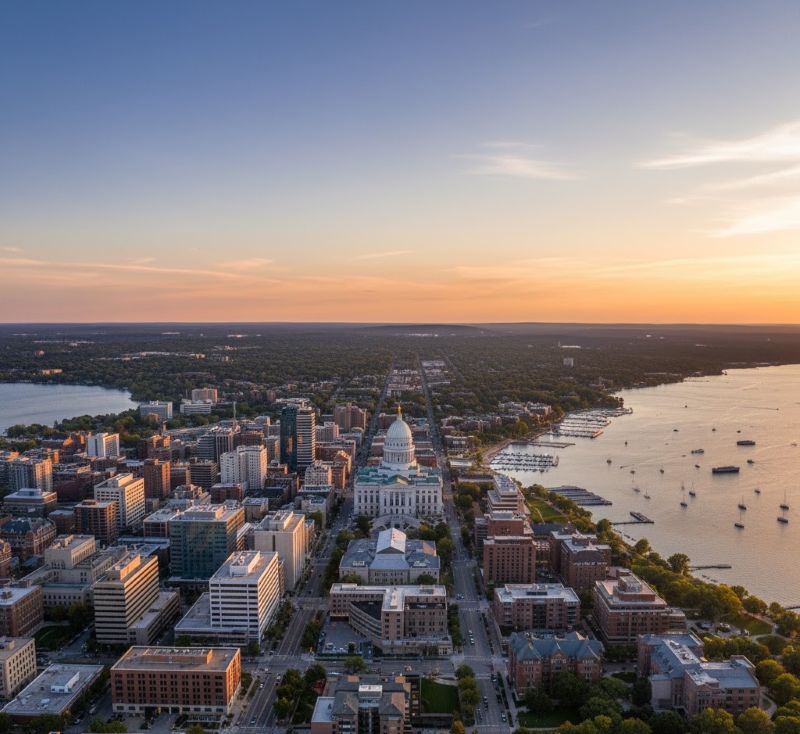 Image generated with Ai
Experts had observed that the leaf-peeping season was lasting longer than usual, offering travelers a final opportunity to experience the breathtaking transformation of autumn’s colors before winter arrived. Across the United States, from the warm deserts of Arizona to the mist-covered peaks of North Carolina, nature was said to be extending its vibrant performance of crimson, gold, and amber hues. Analysts remarked that this unexpected extension was not only captivating travelers but also reshaping how the global travel industry approached the season.
It was being noted that destinations which continued to glow beyond October were drawing spontaneous visitors eager for one last glimpse of fall. This lingering season was proving to be both a natural wonder and an economic opportunity. Travelers were still setting out for scenic drives, hikes, and weekend escapes, while businesses in these areas saw steady demand. As observers pointed out, the enduring appeal of leaf-peeping travel symbolized adaptability, emotion, and connection—qualities now defining the modern traveler’s mindset.
Sedona, Arizona – The Desert’s Autumn Symphony
Observers mentioned that Sedona, Arizona, was undergoing a remarkable seasonal change. Because of its lower elevation compared to Flagstaff, its peak foliage appeared later—typically from mid-October through November. The transformation was described as an artistic display painted across the region’s famous red-rock formations and valleys.
Advertisement
Advertisement
It had been reported that the West Fork Oak Creek Trail and Huckaby Trail were among the most beloved routes for visitors during this time. Travelers walking these paths reportedly witnessed mesmerizing layers of golden cottonwoods, scarlet maples, and amber leaves reflecting off calm creek waters. Each turn, according to hikers, revealed scenery more captivating than the last.
Industry observers noted that Sedona’s later foliage window extended its tourism season, filling a gap when other destinations were already quiet. Hotels, restaurants, and local experiences continued to thrive as visitors sought warmth and tranquility in the desert landscape. Specialists stated that this shift allowed Sedona to act as a late-autumn refuge, offering travelers both adventure and serenity when most regions had already transitioned to winter.
Advertisement
Advertisement
For the travel industry, Sedona represented a prime example of how climate diversity could prolong seasonal tourism. This phenomenon was being seen as an emerging opportunity for businesses to extend their operations and attract travelers beyond conventional timeframes.
Sonoma County, California – Where Vineyards Blaze with Color
It was being pointed out that Sonoma County, California, known globally for its vineyards and rolling hills, was revealing a surprising side of its personality each fall. Between October and November, the region reportedly came alive with amber, russet, and gold hues that rippled across fields and forests. The scenery was said to rival some of the most famous leaf-peeping regions in the country.
Travelers exploring Jack London State Historic Park were described as discovering over 20 miles of trails that climbed from 600 to 2,300 feet in elevation. From those heights, sweeping panoramas unfolded—forests turning brilliant red and yellow beneath an endless sky. Many visitors were said to enjoy leisurely drives through the Russian River valley or along the Pacific coastline, where the contrast between vineyards, oak woodlands, and ocean air made for unforgettable views.
Observers highlighted that Sonoma’s appeal extended far beyond nature. People were said to be embracing culinary experiences, local culture, and harvest celebrations that complemented the natural beauty. The merging of scenic landscapes, regional cuisine, and outdoor adventure was considered a reflection of what travelers increasingly sought—authentic, layered experiences.
Those analyzing travel patterns explained that Sonoma was demonstrating how multi-experience tourism could strengthen seasonal economies. By combining gastronomy, culture, and nature, the region ensured that even after the grape harvest ended, tourism continued to flourish.
Advertisement
Advertisement
Upstate New York – The Northeast’s Never-Ending Autumn
Experts had noted that Upstate New York remained one of the most enduring autumn destinations in the United States. Its vast landscape—including the Finger Lakes, Hudson Valley, Catskills, and Adirondacks—allowed foliage to peak at different times, creating a prolonged fall season that extended well into November.
Travelers visiting the Finger Lakes region were reported to explore Ithaca, Taughannock Falls, and Robert Treman State Park, where waterfalls poured through forests glowing in shades of orange and gold. Stays near Cayuga Lake reportedly offered guests panoramic views of the changing trees mirrored in the still waters.
Elsewhere, visitors driving along the Hudson River Valley were said to enjoy charming routes lined with apple orchards and small towns, where maple trees framed historic streets. Meanwhile, those venturing into the Catskills or Adirondacks were described as finding quiet, introspective spaces ideal for hiking, photography, and peaceful retreats.
Tourism experts observed that Upstate New York’s geographic diversity naturally balanced visitor traffic. Each subregion’s unique timing meant that when one area reached its peak, another was just beginning. This created a steady tourism flow, helping local economies thrive throughout late fall.
Analysts believed that the region’s longevity in attracting visitors underscored a broader truth: destinations with varied topography and local culture were best equipped to maintain year-round interest. Upstate New York’s ability to blend nature, heritage, and community experiences was being recognized as a model for sustainable seasonal tourism.
Advertisement
Advertisement
North Carolina – The Blue Ridge’s Timeless Brilliance
It was said that in North Carolina, autumn clung gracefully to the Blue Ridge Mountains, revealing deep layers of color long after most other regions had faded into gray. Visitors to Asheville and nearby areas during late October and early November were reportedly greeted by a magnificent palette of scarlet, copper, and gold still lighting up the hillsides.
Travelers hiking through Pisgah National Forest and DuPont State Forest were said to encounter cascading waterfalls surrounded by forests dressed in warm, shifting tones. Those who took the Blue Ridge Parkway drive found that high elevations retained brilliant hues even as valleys below began to cool.
A highlight of the region, according to many, was the “Shadow of the Bear”—a rare natural phenomenon visible from Rhodes Big View Overlook in Jackson County between mid-October and early November. Observers explained that during sunset, the mountain’s silhouette formed the shape of a bear, stretching slowly across Whiteside Mountain for about half an hour. The moment was said to be both fleeting and unforgettable, drawing visitors from around the world.
Nearby towns such as Sylva, Cashiers, and Dillsboro were reported to provide travelers with cultural enrichment through craft breweries, artisan markets, and farm-to-table dining. Experts observed that these smaller communities offered a perfect balance between outdoor exploration and local immersion, making the state’s autumn season an all-encompassing experience.
Those studying regional tourism trends believed that North Carolina’s strength lay in its diversity—a union of natural wonders, culinary artistry, and cultural authenticity. This combination, they said, kept the state’s tourism sector robust long after the prime foliage season had passed.
Advertisement
Advertisement
Georgia – Madison’s Golden Glow of Heritage
Analysts had said that Madison, Georgia, located just an hour east of Atlanta, had emerged as one of the South’s most charming fall destinations. Recognized as a “Tree City USA”, Madison was described as transforming into a sea of color every autumn, where scarlet, amber, and golden hues framed streets lined with 19th- and early 20th-century homes.
It was being mentioned that visitors often took the Madison Trolley to explore the town’s historic neighborhoods, admiring the blend of architecture and foliage. Others were drawn to Hard Labor Creek State Park, one of Georgia’s largest parks, offering 24 miles of hiking trails, two lakes, and rustic cottages for those seeking peace in nature.
Locals were said to celebrate the season through culinary traditions, with cafés and bakeries serving pumpkin pastries, spiced coffees, and warm seasonal desserts. Observers commented that the town’s atmosphere was both elegant and homey, making it an appealing choice for travelers who preferred intimate, authentic experiences.
Tourism experts explained that Madison’s charm lay in its accessibility—it was close enough for day trips from Atlanta yet rich enough in history and beauty to merit extended stays. They believed that destinations like Madison represented a growing trend in tourism: smaller towns leveraging heritage and nature to create big economic impacts.
A Season of Opportunity
Advertisement
Advertisement
Industry observers were analyzing how the extended leaf-peeping season had begun influencing the global travel economy. The lengthening of autumn across many regions was seen as a chance for destinations to revise strategies, adapt offerings, and attract visitors beyond the usual high seasons.
They highlighted a few major implications:
- Sustained Demand: Areas where foliage peaks later—such as Sedona or North Carolina—were reportedly experiencing consistent visitor numbers even in early November.
- Flexible Booking Patterns: Travelers were becoming more spontaneous, planning last-minute getaways that filled off-peak accommodation gaps.
- Diversified Tourism Models: Destinations were blending scenic beauty, food culture, and local crafts to create comprehensive travel experiences.
- Regional Uplift: Previously overlooked areas—like Madison or Sonoma County—were gaining fresh recognition as distinctive fall getaways.
Experts also predicted that shifting climate patterns could continue extending fall tourism across various continents. Countries in both hemispheres were expected to adjust their marketing strategies to accommodate these evolving natural cycles.
This transition was seen as part of a larger movement toward year-round tourism, where regions leveraged their natural assets more effectively. Analysts emphasized that embracing environmental changes creatively could help maintain stable revenues, reduce crowding, and support sustainable travel growth.
A Shift Toward Mindful Exploration
It had been observed that travelers themselves were evolving in response to this elongated season. People who once rushed to see early foliage in September were now realizing that October and November offered equally vivid experiences—often with fewer crowds and greater tranquility.
Advertisement
Advertisement
Reports indicated that travelers were increasingly choosing smaller towns and nature-focused regions over large cities. The shift toward slow travel—taking time to explore rather than rushing between landmarks—was becoming a defining characteristic of the new travel mindset.
Analysts believed that this change promoted sustainability, as smaller crowds reduced strain on local ecosystems while enhancing the authenticity of traveler-community interactions. With more space and time to engage, visitors were said to form deeper emotional connections with destinations.
Experts also pointed out that short-haul getaways were gaining popularity. People were preferring road trips and regional travel, which minimized travel fatigue and environmental impact. This evolution, they suggested, marked a positive transformation in global tourism—one that balanced economic opportunity with environmental responsibility.
Observers emphasized that travelers’ growing interest in late-season exploration symbolized a broader appreciation for nature’s rhythm. The world was learning to travel not just to see beauty but to feel it, to experience stillness, and to find meaning in each landscape’s quiet, fading glow.
The Season That Refuses to End
Experts concluded that from the desert canyons of Arizona to the vineyard valleys of California, from the waterfalls of Upstate New York to the mountain roads of North Carolina, and down to the heritage streets of Georgia, the spirit of autumn remained alive and radiant.
Advertisement
Advertisement
They said that the leaf-peeping season had not vanished—it had merely shifted, creating a longer and more inclusive timeline for both travelers and the tourism industry. For destinations, this meant extended revenue, broader visitor engagement, and diversified experiences. For travelers, it represented freedom—freedom to explore without rush, to discover hidden gems, and to reconnect with the natural rhythm of the Earth.
Industry specialists believed that this new era of travel would prioritize adaptability, local connection, and sustainability. As they saw it, the true legacy of this evolving autumn season lay in its lesson: that change, when welcomed, could bring not loss but opportunity—transforming a fleeting season into an everlasting invitation to wander.
Advertisement
