Published on February 16, 2026

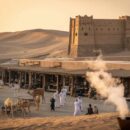
Image generated with Ai
Significant infrastructure developments in Tanzania’s Coast Region are fundamentally changing the travel landscape. The recent inauguration of the Mtemere Airstrip in Mloka Village, Rufiji District, was hailed as a watershed moment in regional connectivity. This strategic gateway is expected to serve as a catalyst for unprecedented growth in the tourism sector, while also providing a strong stimulus to the country’s overall economic structure.
Dr Mwigulu Nchemba, Prime Minister, highlighted the significance of this development during an official regional tour. During the visit, a comprehensive portfolio of twenty-one tourism infrastructure projects was officially handed over. These initiatives, totalling 114.6 billion Tanzanian Shillings, were carried out under the auspices of the Southern Circuit Development Programme. This massive financial injection is intended to raise the profile of Tanzania’s southern destinations, ensuring they compete with more traditional northern routes in terms of accessibility and guest experience.
The Coast Region is increasingly recognized as a powerhouse of biodiversity and heritage, boasting a total of eighty-seven distinct tourist attractions. Central to this appeal is the Nyerere National Park, which holds the distinction of being the largest wildlife reserve on the African continent. Through the establishment of the Mtemere Airstrip, a direct conduit has been created for international and domestic travellers to access the heart of this wilderness. It is expected that tourism activities will be substantially increased, leading to a ripple effect of economic opportunities for the local communities residing in the Rufiji District and beyond.
The geographical advantage of the Coast Region cannot be overstated. A coastal strip extending over 1,132 square kilometres is managed across the districts of Mafia, Bagamoyo, Mkuranga, and Rufiji. This vast maritime frontier is being positioned as a premier destination for marine-based tourism. In particular, the waters surrounding Mafia District have gained international acclaim due to the seasonal presence of Whale Sharks. These majestic creatures are considered a primary draw for eco-tourists and marine biologists alike, contributing significantly to the annual influx of visitors to the region.
Advertisement
Advertisement
Beyond the thrill of the safari, the Coast Region’s narrative is deeply intertwined with East African history and coastal beauty. The town of Bagamoyo, once a major centre for trade, remains a focal point for cultural tourism. Within this district, the Kaole Ruins serve as a silent testament to ancient civilizations, offering a glimpse into the architectural and social history of the 13th century. By integrating these historical landmarks into the modern tourism circuit, a more holistic travel experience is being offered to those who seek to understand the soul of Tanzania.
The shoreline of the Mkuranga District is also being highlighted for its pristine natural beauty. Scenic beaches such as Palacha, Shungubweni, and Koma are being promoted as tranquil alternatives to more crowded coastal hubs. Furthermore, the unique ecosystem of Saadani National Park—where the bush meets the beach—is being prioritized as a rare location where terrestrial wildlife can be observed in close proximity to the Indian Ocean. This intersection of diverse environments is a cornerstone of the region’s strategy to diversify its tourism portfolio.
Advertisement
Advertisement
The progress being made in the implementation of cross-sectoral projects is a testament to the government’s commitment to sustainable development. While industries and general investments are being fostered, the tourism sector remains the primary focus of the region’s growth strategy. The Pugu-Kazimzumbwi Forest Reserve, located near the commercial capital, is another vital asset being protected and promoted. As one of the oldest forests in the world, it provides a sanctuary for endemic species and serves as an essential site for nature hikes and birdwatching.
Through the modernization of transit points like the Mtemere Airstrip, the logistical barriers that once hindered the Southern Circuit are being systematically dismantled. The movement of visitors is being facilitated with greater efficiency, allowing for longer stays and deeper exploration of the Coast Region’s multifaceted offerings. The integration of high-end infrastructure with raw, preserved nature is the formula being used to ensure that Tanzania remains a competitive and alluring destination on the global stage.
Advertisement
Advertisement
The handover of the 114.6 billion/- projects represents a shift from planning to execution. These funds have been used to improve roads, visitor centres, and other critical services that benefit the hospitality industry. By improving the “soft” and “hard” infrastructure of the Southern Circuit, Tanzania’s government ensures that the economic benefits of tourism are distributed more equitably across the southern provinces.
These investments have already had an impact on the Rufiji District’s local economy. New job opportunities are emerging in the aviation, hospitality, and guiding sectors. Furthermore, the increased visibility of Nyerere National Park is attracting private investment in luxury lodges and eco-camps, broadening the range of accommodations available to high-end visitors. The Coast Region envisions inclusive growth in which natural heritage preservation coexists with modern economic advancement.
Advertisement
Tags: Mtemere Airstrip, Nyerere National Park travel, Southern Circuit Tanzania, Tanzania Tourism Growth














Monday, February 16, 2026

Monday, February 16, 2026
Monday, February 16, 2026
Monday, February 16, 2026
Monday, February 16, 2026
Monday, February 16, 2026

Monday, February 16, 2026