
Sober Travel Trend Gains Momentum: How Alcohol-Free Vacations are Shaping the Future of Travel and Tourism
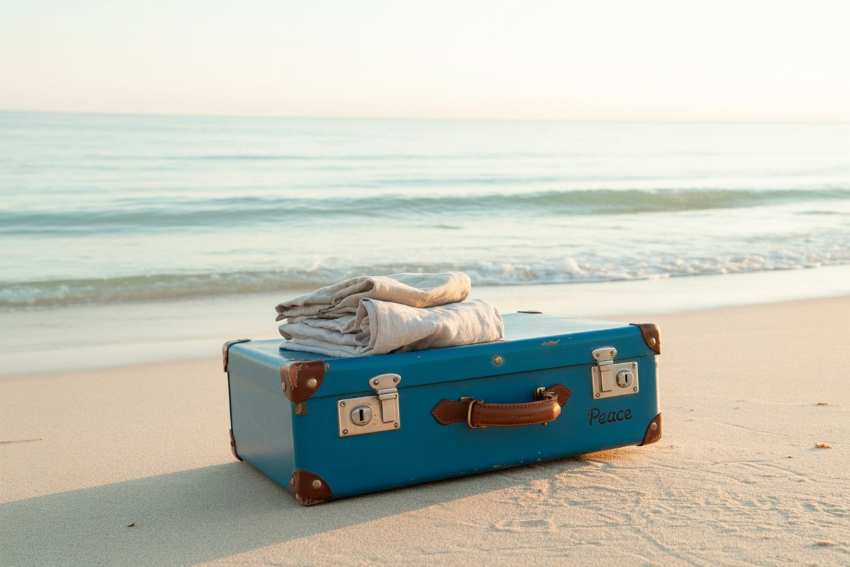 Image generated with Ai
As the travel industry rebounds to pre-pandemic levels, a surprising new trend has begun to emerge, changing the way people approach their vacations. While destinations around the globe still buzz with the excitement of nightlife and celebrations, a growing number of travelers are opting for alcohol-free vacations, embracing what is being referred to as “sober travel” or “dry tripping.” This shift towards alcohol-free vacations reflects a broader societal change and is having a profound effect on tourism and travel experiences worldwide.
The rise of sober travel has been further catalyzed by a marked increase in awareness of wellness practices, mental health, and addiction recovery. According to recent data, searches for terms like “sober travel,” “dry tripping,” and “alcohol-free vacations” have skyrocketed by over 200% in the first quarter of 2025 compared to the previous year. Social media engagement related to these topics has surged by over 2,500%, signaling a significant shift in how travelers are approaching leisure, with a growing interest in vacations that focus on mindfulness, wellness, and authentic experiences—without the distraction of alcohol.
The Shift Towards Alcohol-Free Travel
The surge in interest for sober travel has been driven by several factors. Travelers are increasingly choosing destinations and activities that don’t revolve around drinking, opting instead for experiences that focus on personal growth, wellness, and meaningful connections. As more people become aware of the benefits of alcohol-free living and the importance of mental and emotional well-being, they are seeking out vacations that offer relaxation, reflection, and health-focused activities.
In 2023 and 2024, surveys revealed that over 40% of travelers were likely to book a detox or alcohol-free vacation, with a clear demand for wellness tourism experiences. This growing interest has not gone unnoticed in the industry, with tourism destinations and resorts across the globe tailoring their offerings to cater to those seeking a sober or more mindful vacation experience. The wellness tourism sector, often intertwined with the sober travel movement, is expected to reach a staggering $1.3 trillion by next year, demonstrating the growing market for this type of travel.
Advertisement
Advertisement
Understanding Sober Travel: What It Entails
Sober travel is more than just about avoiding alcohol—it’s about rethinking how vacations are experienced. In the past, vacations were often synonymous with drinking, whether at beach resorts, city bars, or cruise ships. Now, many travelers are discovering the joy of exploring new destinations without the influence of alcohol. This new perspective allows travelers to engage more fully with their surroundings, interact with locals, and truly immerse themselves in the experiences available, from hiking trails to cultural sites and spa retreats.
Traveling sober offers a deeper connection to both the destination and the people around you. Without the haze of alcohol, travelers are more attuned to the sights, sounds, and sensations of their environment, making the journey more authentic. Whether it’s enjoying a serene sunrise over a mountain range or feeling the sand between their toes during a morning walk along the beach, sober travelers are discovering the beauty of fully present travel.
Advertisement
Advertisement
The Impact of Sober Travel on Tourism
The growing demand for sober travel is reshaping the tourism landscape in various ways. Destinations are increasingly offering wellness retreats, spa resorts, and nature-centric activities that cater to those who wish to travel without the presence of alcohol. Wellness tourism, closely tied to sober travel, promotes activities like yoga, meditation, hiking, and spa treatments, which offer guests opportunities for relaxation and self-care without the need for substances.
Tourism providers are also acknowledging the need for alcohol-free spaces, such as alcohol-free resorts or destinations that focus on promoting mental well-being and mindfulness. These offerings range from all-inclusive wellness retreats to eco-friendly destinations that encourage sustainability and personal wellness. As the demand for sober vacations continues to rise, the travel industry is responding by diversifying its services to cater to this growing segment of conscious travelers.
Advertisement
Advertisement
Additionally, sober travel is encouraging destinations to rethink their nightlife offerings. Rather than focusing solely on bars, clubs, and alcohol-centered events, destinations are now offering a broader range of activities that allow visitors to socialize, relax, and have fun without relying on drinking. This includes everything from wellness festivals to outdoor adventure activities, art galleries, music performances, and even sober bars that focus on craft mocktails and non-alcoholic beverages.
Overcoming Challenges in a Boozy World
While the rise of sober travel is a welcome shift for many, it can still be challenging to vacation in a world where drinking often takes center stage. Traveling without alcohol requires thoughtful planning and a shift in mindset, especially in destinations known for their vibrant nightlife scenes.
For those new to sober travel, it’s important to be mindful of the destinations and activities chosen. While some cities and resorts may be heavily focused on alcohol-centric experiences, there are plenty of destinations that offer rich cultural experiences, outdoor adventures, and wellness-focused activities that align with a sober travel philosophy. From serene beach towns to hiking destinations, many places now cater to those who seek an alcohol-free vacation experience.
For example, destinations such as coastal retreats, rural mountain areas, and secluded countryside locations offer travelers the opportunity to connect with nature and find peace away from the hustle and bustle of party destinations. Wellness retreats in places like Bali, Costa Rica, and the Swiss Alps are also becoming increasingly popular for those seeking relaxation and rejuvenation without the distraction of alcohol.
Advertisement
Advertisement
The New Norm of Mindful Travel
One of the most significant shifts in the travel landscape today is the changing definition of what constitutes “fun” during a vacation. For many, fun used to mean parties, nightlife, and indulgence in alcohol. Now, younger generations are embracing a new definition of fun that prioritizes presence, self-care, and meaningful connections with others. This new norm reflects a broader cultural shift toward wellness, mindfulness, and intentional living.
Sober travel is helping to reshape what it means to have a fulfilling and enjoyable vacation. Rather than focusing on fleeting pleasures, sober travelers are discovering a deeper sense of joy in activities that promote physical, mental, and emotional well-being. This includes practices like meditation, yoga, journaling, nature walks, and even volunteering, all of which offer meaningful and rewarding experiences that go beyond traditional vacation activities.
Wellness Travel and Sober Experiences
Wellness tourism, which encompasses activities aimed at improving mental, physical, and emotional health, aligns closely with the sober travel movement. Many wellness retreats now offer specialized programs that help guests detoxify, reset, and rejuvenate without the influence of alcohol. These retreats often combine healthy eating, fitness activities, mindfulness practices, and holistic therapies to create a balanced and enriching travel experience.
The increasing demand for wellness travel has led to a boom in retreats and resorts offering alcohol-free itineraries, with activities centered on mindfulness, yoga, spa treatments, and outdoor adventures. These experiences encourage travelers to focus on self-care, build resilience, and develop healthier habits that extend beyond the duration of the trip.
Shaping the Future of Travel
As the trend of sober travel continues to gain momentum, it is likely to have a lasting impact on the tourism industry. More travelers are seeking meaningful, wellness-focused vacations that allow them to engage with their surroundings, reconnect with nature, and prioritize their health and well-being. As a result, the travel industry is adapting to meet the needs of this growing segment by offering more alcohol-free options, including wellness retreats, nature-based activities, and alcohol-free events.
Sober travel is also encouraging a shift in how travel is marketed and experienced. Destinations and tourism providers are increasingly recognizing the importance of offering diverse experiences that cater to travelers looking for more than just a party or alcohol-focused vacation. Whether it’s an all-inclusive wellness resort, a hiking trip in the mountains, or a beach retreat focused on mindfulness, sober travel is changing the way people view and experience vacation.
The future of travel is becoming more inclusive, with a focus on well-being, mindfulness, and authentic experiences. As sober travel continues to grow in popularity, it is helping to redefine what it means to have a fulfilling and meaningful vacation in the 21st century. This shift offers travelers the opportunity to engage with the world in new and transformative ways, fostering a deeper connection with themselves, others, and the world around them.
Advertisement
