Published on December 31, 2025
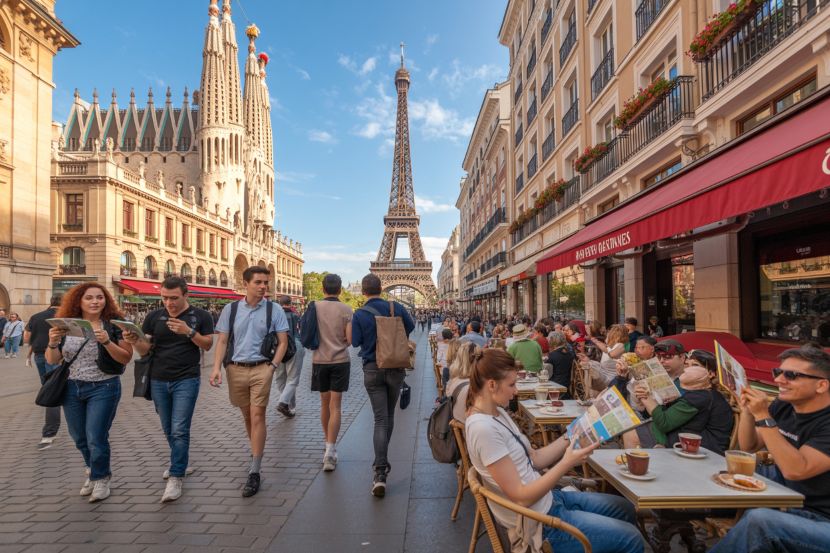
Spain, along with France, Greece, Romania, Cyprus, Belgium, and Estonia, has been ranked among the top EU destinations for European tourists, according to the latest Eurostat data of 2024. These countries are increasingly attracting travelers from within the EU, thanks to their diverse attractions, rich cultural heritage, and growing tourism infrastructure. This shift in tourist preferences reflects the evolving trends in European travel, where longer stays and diversified travel options are becoming more popular.

Spain, known for its sunny beaches, historic cities, and world-class cuisine, remains one of the most visited countries in Europe. In fact, Eurostat data highlights Spain as a consistent leader in European tourism, with millions of Europeans flocking to its regions each year. With the Canary Islands, Balearic Islands, and cities like Barcelona and Madrid drawing crowds, Spain offers something for every type of traveler—whether seeking relaxation, cultural immersion, or nightlife.
Advertisement
Recent trends show that tourists are spending more time in Spain, extending their stays in Costa Brava and Andalusia, as the country continues to serve as a top destination for both business and leisure travelers. The increase in visitors coincides with improved flight connectivity and affordable options, further boosting Spain’s status as a top travel hub in Europe.
France continues to lead as the most popular destination for European tourists, with Paris remaining the world’s most visited city. Travelers are drawn to France’s rich culture, art, cuisine, and wine regions. In addition to Paris, regions such as Provence, Brittany, and Normandy have become increasingly attractive for both short weekend getaways and longer vacations.
Advertisement
France also stands out for its accessibility, making it an ideal choice for both business and leisure travel. The country sees a high number of visitors attending international conferences, cultural festivals, and corporate events, making it a top choice for business travelers.
Greece has also emerged as a top destination for European travelers, with tourists spending longer periods in cities like Athens and island paradises such as Santorini and Mykonos. Greece’s appeal lies in its rich historical sites, stunning coastlines, and year-round sunshine, making it a perfect escape for those seeking a mix of culture, history, and relaxation.
Advertisement
Romania, known for its picturesque landscapes and castles, such as Bran Castle (famously linked to Dracula), has seen a rise in tourism, particularly in regions like Transylvania and Bucharest. Romania’s unique charm lies in its accessibility, natural beauty, and the growing number of cultural events that attract both tourists and business visitors.
Cyprus, with its Mediterranean allure, has seen increasing tourism, particularly from European travelers looking for a mix of beaches, ancient ruins, and a laid-back lifestyle. Limassol, Paphos, and Larnaca are becoming increasingly popular, and the island’s rich historical and cultural experiences continue to attract more visitors each year.
Belgium, with its central location in Europe, serves as a perfect destination for short trips, particularly from neighbouring countries like France and Germany. Cities like Brussels, Antwerp, and Bruges attract cultural and business travelers alike, offering a blend of historical charm and modern amenities.
Estonia is also becoming more popular as a travel destination, particularly for its scenic Tallinn Old Town and vibrant cultural scene. As an accessible and less crowded alternative to many other European capitals, Estonia has experienced a rise in short trips from neighbouring countries.
The growing popularity of these EU destinations has implications for both business and leisure travel. For business travelers, Spain, France, and Greece remain central hubs for international conferences, trade events, and corporate meetings. These countries also offer excellent transportation networks, facilitating easy connections between major cities and other European capitals.
For leisure travelers, the rise of longer stays, especially in places like Spain and Greece, reflects a desire for deeper cultural immersion and relaxation. These destinations are increasingly offering tailored experiences, including wellness retreats, culinary tours, and historical exploration, to attract tourists who want more than just a quick getaway.
Europe’s top tourist destinations—Spain, France, Greece, Romania, Cyprus, Belgium, and Estonia—are each offering something unique for travelers. Whether you’re planning a cultural getaway, a business trip, or a long vacation, these countries are well-equipped to cater to the growing demand for travel in the EU. With more people opting for longer stays and seeking immersive experiences, Europe’s tourism landscape is continuing to evolve, offering travelers a variety of experiences, from the beaches of Cyprus to the medieval streets of Tallinn.
As more people travel within the EU, it’s essential to stay informed and plan ahead. Whether traveling for business or pleasure, these destinations are well-positioned to offer the best of Europe, making them the ultimate choices for any European traveler in 2024.
Disclaimer: The Attached Image in This Article is AI Generated
Advertisement










Wednesday, December 31, 2025

Wednesday, December 31, 2025

Wednesday, December 31, 2025

Wednesday, December 31, 2025

Wednesday, December 31, 2025

Wednesday, December 31, 2025
Wednesday, December 31, 2025

Wednesday, December 31, 2025