
Berlin Festival of Lights Guide: Venues, Commuter Tips, and Art Insights

Updated
Published
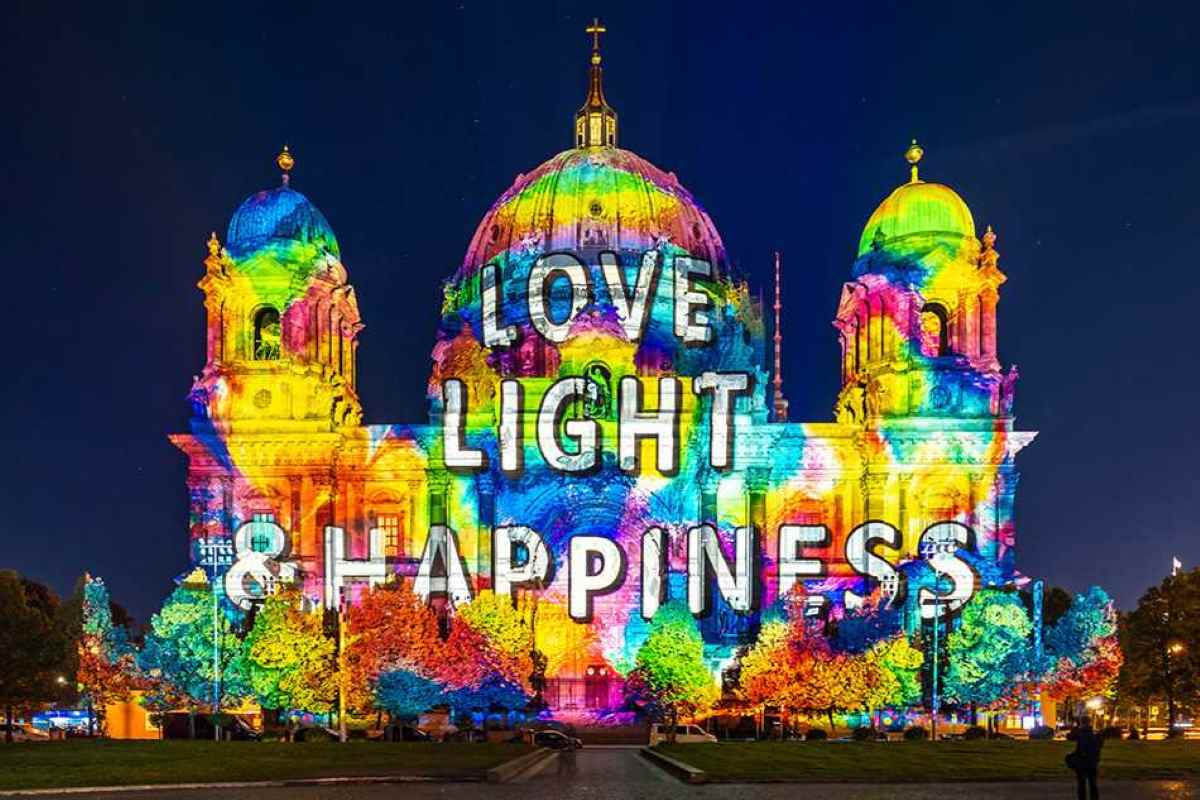
The Festival of Lights in Berlin stands as one of the most prominent international illumination events held annually in the German capital. Every October, historical monuments, architectural masterpieces, notable streets, squares, and diverse districts throughout the city are transformed into vast canvases for creative light installations, 3D video mappings, and artistic projections. Established to celebrate urban spaces through visual artistry, the event operates under the official patronage of the governing mayor of Berlin and frequently collaborates with renowned international light artists. Each edition is organized around a specific thematic concept—such as Colours of Love—to inspire audiences and foster global artistic collaboration across iconic locations like the Brandenburg Gate, the Berlin TV Tower, the Berlin Cathedral, and the Berlin Victory Column.
Impact on Travellers
For domestic and international travellers, the autumn season in the city is profoundly redefined by this luminous spectacle. Visitors are offered a rare opportunity to experience nocturnal urban exploration where landmarks take on entirely new visual identities after dusk. The ambient evening atmosphere encourages extended outdoor strolls, prompting tourism activity to thrive well beyond standard seasonal hours. While the general outdoor viewings are completely free of charge, pedestrian traffic can become dense around major hubs such as Bebelplatz and Potsdamer Platz. Consequently, travellers are encouraged to plan their itineraries carefully to balance daytime sightseeing with evening light spotting, ensuring a seamless and enriching cultural journey.
Advertisement
Advertisement
- Strategic Itinerary Management: Travellers are advised to separate intensive daytime historical sightseeing from evening light viewing to avoid exhaustion and maximize enjoyment across extended hours.
- Peak Crowd Awareness: High-traffic zones around central squares experience heavy congestion after dusk, making early arrival or late-evening visits preferable for a clearer view of key installations.
- Cost-Free Accessibility: Open-air viewings of the artistic projections across public monuments remain entirely free of charge, allowing budget-conscious tourists to experience the full scale of the festival without purchasing tickets. Ryo
- Pace and Comfort Optimization: Because pedestrian routes span significant distances across various districts, comfortable walking gear and flexible scheduling are recommended to fully appreciate the nocturnal urban landscape.
Industry Insights
From an economic and creative perspective, the festival functions as a powerful catalyst for the local hospitality, tourism, and event-technology sectors. Industry professionals view the gathering not merely as a public attraction, but as a premier platform for cutting-edge digital art, projection mapping innovation, and multi-disciplinary creative expression. Partnerships involving local businesses, hotels, and international media networks generate significant economic returns and global media outreach. Furthermore, specialized formats such as immersive 3D musical showcases inside the Berlin Cathedral highlight how traditional cultural venues can successfully integrate contemporary digital entertainment to engage modern audiences.
Practical Information, Venue Details, and Commuter Guidelines
The festival typically unfolds over ten consecutive evenings in October, with daily light displays activating from 7 p.m. until 11 p.m. Primary visual hubs are scattered across the urban landscape, featuring prominent venues such as the Berlin Cathedral, Bebelplatz, and Potsdamer Plate.
Advertisement
Advertisement
- Admission and Tickets: Access to the open-air street installations, historical projections, and public squares is entirely free for all pedestrians. However, specialized ticketed experiences—including guided nocturnal bike tours, open-top double-decker bus tours, Spree river cruises, and premium musical concerts inside the Berlin Cathedral—require advance booking and separate ticketing.
- Commuter Guidelines for Fans and Travellers: Navigating the city during the event is best accomplished using Berlin’s extensive public transportation network (BVG), which includes the U-Bahn (subway), S-Bahn (suburban rail), trams, and buses. Because central areas experience high pedestrian congestion and street closures, the use of public transit is strongly advised over private vehicles. Attendees are encouraged to download the official festival mobile application and map to track specific installation schedules, optimize neighborhood walking routes, and utilize offline navigation tools while moving between major light hotspots in Mitte, Charlottenburg, and Friedrichshain.
Comparison with Previous Policies or Developments
In contrast to earlier years when independent parallel light events occasionally fragmented the autumn calendar, the modern iteration of the festival has consolidated its programming under unified creative management and official civic support. Evolution in projection technology has also shifted the focus from static architectural illuminations to highly complex, synchronized 3D video mappings accompanied by immersive soundscapes. Furthermore, expanded event formats—such as dedicated indoor concert series and interactive artistic collaborations—reflect a strategic transition toward deeper cultural engagement, moving past simple decorative displays to offer fully holistic sensory experiences for contemporary audiences.
Official Image Credits- https://festival-of-lights.de/en/galerie/berliner-dom/
Advertisement
