Published on February 10, 2026
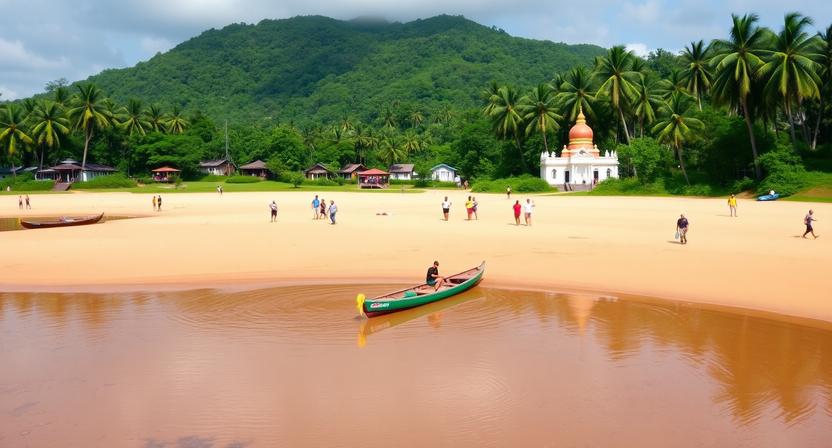
Sri Lanka has officially launched a digital nomad visa to attract foreign remote workers, freelancers, and entrepreneurs looking for an ideal place to live and work. This latest offering is expected to enhance the local economy by encouraging longer stays and more higher-spending visitors, who will contribute to a variety of sectors such as accommodation, food, services, and local businesses. The digital nomad visa can have a telling effect in the near future, with Sri Lanka continuing its rise as a tourist destination.
Sri Lanka’s focus on digital nomads coincides with the growing appeal of the country’s tourism sector, particularly in cities like Jaffna, which recently topped Lonely Planet’s “Most Exciting Destinations 2026” list. Jaffna is the only Asian destination included in the publication’s top 15, signifying a global shift towards Sri Lanka as a must-visit location. This global recognition, combined with easier visa access, places Sri Lanka on the map as a prime destination for remote workers looking for new places to settle and work.
As the country’s tourism profile continues to rise, the government is also expanding its visa policies, including the addition of 33 more countries to its one-month visa program. These initiatives are setting the stage for Sri Lanka to capitalize on the growing trend of long-term stays by remote workers, which is expected to significantly boost local businesses and the tourism sector in the coming years.
To apply for Sri Lanka’s digital nomad visa, applicants must meet specific criteria:
Advertisement
For families, the income threshold increases by $500 per month for each dependent, such as a spouse or child.
The digital nomad visa provides the flexibility to live in Sri Lanka for up to 12 months, with the option to renew annually. This flexibility, combined with benefits like the ability to open bank accounts, buy property, and enroll children in international schools, is a significant draw for international remote workers and entrepreneurs.
Advertisement
Advertisement
The new visa program positions Sri Lanka as a competitive alternative to other well-known digital nomad hubs in Southeast Asia. With its focus on long-term stays, the digital nomad visa aims to generate a more sustainable tourism economy. Unlike traditional tourists who contribute to local economies for short periods, digital nomads spend on accommodation, restaurants, services, and rental markets for longer durations, leading to more consistent revenue for local businesses.
This influx of long-term visitors will likely have a positive impact on Sri Lanka’s economy, diversifying its revenue streams beyond traditional tourism. It will also increase demand for co-working spaces, long-term rentals, and local services, creating new job opportunities and enhancing the local economy in the years to come. By attracting remote workers, Sri Lanka can benefit from the economic activity they generate, while also fostering a thriving digital nomad community that can positively influence the local culture and economy.
As Jaffna takes center stage in the global tourism scene, Sri Lanka’s tourism sector is poised for significant growth. The introduction of the digital nomad visa can further contribute to Sri Lanka’s tourism economy, as remote workers tend to be higher-spending visitors who stay for extended periods, unlike traditional tourists. Over time, this segment of travelers will likely contribute to more stable revenue streams for the hospitality sector, local businesses, and even real estate markets.
The government’s long-term tourism strategy also includes further streamlining visa policies, which will make it easier for digital nomads from across the globe to settle in Sri Lanka. This, in turn, is expected to attract more international talent and contribute to the overall growth of Sri Lanka’s service sectors such as technology, education, and healthcare.
When considering the future, it can be stated that the digital nomad visa will continue to have an important position in Sri Lanka’s economic recovery and development, especially considering the consequences of the pandemic. It can be emphasized that there will be an increase in the need for remote working, and as more people are seeking new and more affordable places to live and work, Sri Lanka will have a leading position as one of the remote worker havens, not only because of the natural beauty of the country.
This program has a long-term impact on Sri Lanka’s tourism industry, with remote workers being an integral part of Sri Lanka’s future tourism strategy. Sri Lanka, therefore, by targeting this demographic, is not only creating a niche travel destination for remote workers but also promoting economic growth, a sustainable tourism strategy, and enhancing its competitiveness as a major travel hub for modern tourists.
Advertisement
Tags: Digital Nomad Visa 2026, freelance visa Sri Lanka, remote workers in Sri Lanka, Sri Lanka digital nomad visa, Sri Lanka economy boost remote workers













Tuesday, February 10, 2026

Tuesday, February 10, 2026

Tuesday, February 10, 2026

Tuesday, February 10, 2026

Tuesday, February 10, 2026

Tuesday, February 10, 2026
Tuesday, February 10, 2026