Published on February 15, 2026
Tampere join Dubrovnik, Braga, and Bruges, Tampere is now celebrated as one of the ultimate smart tourism powerhouses. This recognition comes from the European Commission’s prestigious competition, which highlights cities that excel in innovation, sustainability, and smart mobility. Tampere’s exceptional commitment to sustainable urban tourism and cutting-edge digital solutions has earned it this prestigious title.
The city’s impressive achievements in blending technology with cultural heritage make it a true leader in the field. Meanwhile, cities like Dubrovnik, Braga, and Bruges continue to shine as finalists, proving their dedication to smart, sustainable tourism practices. Together, these cities are transforming the future of urban travel, setting an inspiring example for others to follow.
Tampere, Finland’s second-largest city, is a shining example of how a city can integrate sustainability, innovation, and smart mobility into its tourism strategy. Recognised as the 2026 European Capital of Smart Tourism, Tampere stood out from a pool of seven finalists. The city earned its place due to its commitment to sustainable urban tourism, smart mobility, and innovative digital solutions that improve the visitor experience.
Tampere’s local government was quick to share the exciting news. According to the city’s officials, the European Commission selected Tampere as the winner because of its forward-thinking approach in all areas of urban tourism. The city not only prioritises environmental sustainability but also embraces technology to make tourism more accessible and efficient.
Advertisement
The European Commission’s announcement underscored Tampere’s progress in implementing smart solutions. From sustainable transport options to digital platforms that make exploring the city easier, Tampere is truly leading the way in modern urban tourism. Visitors can easily move around the city using digital tools, and the city’s public transport system is fully integrated with smart technologies. Moreover, Tampere’s efforts to preserve its cultural heritage while embracing innovation make it a top choice for future-focused tourism.
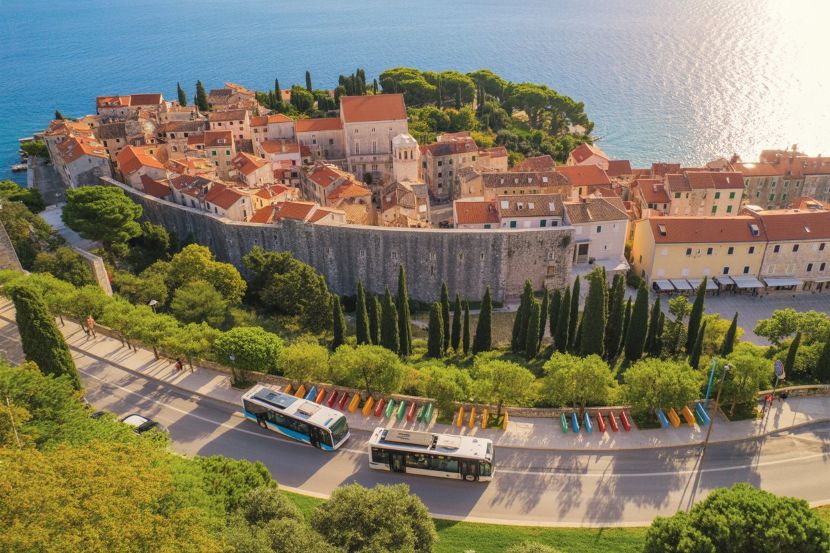
Dubrovnik, the historic coastal city in Croatia, has been awarded the title of European Green Pioneer of Smart Tourism 2026. This prestigious award is given to smaller cities that lead in the areas of sustainability, digital transformation, and smart mobility, while also preserving their cultural heritage. Dubrovnik was chosen as the winner for its efforts to maintain a balance between tourism growth and environmental protection.
Advertisement
Advertisement
The city of Dubrovnik has long been a popular destination for tourists due to its UNESCO World Heritage status and stunning coastal views. However, Dubrovnik’s commitment to sustainable tourism practices sets it apart from other cities. The city has implemented smart solutions to reduce its carbon footprint, improve waste management, and promote eco-friendly practices in the tourism sector. Additionally, Dubrovnik has integrated digital tools to enhance the experience of visitors while ensuring that the city remains environmentally responsible.
In their announcement, Dubrovnik’s city government expressed pride in receiving the title of Green Pioneer. They highlighted the city’s dedication to protecting its historical sites while fostering a sustainable tourism environment. Dubrovnik’s efforts to embrace digital technologies and promote sustainable travel have made it a model for other destinations looking to balance tourism growth with environmental stewardship.
Portugal’s city of Braga earned a spot on the shortlist for the 2026 European Capital of Smart Tourism. Being shortlisted for this prestigious title is an honour in itself, as it signifies Braga’s excellence in sustainable urban travel and smart solutions. Braga’s commitment to improving its tourism offerings with innovative technologies and sustainable practices is evident.
While Braga didn’t claim the top prize, the city’s recognition as one of the finalists demonstrates its dedication to fostering a smart tourism ecosystem. Braga has invested in sustainable mobility options, digital infrastructure, and initiatives to enhance the visitor experience. The city’s inclusion in the shortlist places it among the leaders in the field of smart tourism, and it will likely continue to develop its tourism offerings with sustainability at the forefront.
Belgium made a notable impact in the 2026 competition, with two cities—Bruges and Brussels—being shortlisted for the title of European Capital of Smart Tourism. These two cities have demonstrated a strong commitment to integrating technology into their tourism systems while maintaining a focus on sustainability and cultural heritage.
Bruges, known for its medieval architecture and picturesque canals, has worked hard to embrace digital technologies that enhance the experience of its visitors. From smart city initiatives to eco-friendly transportation options, Bruges is setting the stage for a more sustainable future in tourism. Similarly, Brussels, the capital of Belgium and the European Union, has implemented a range of smart solutions to improve urban mobility and digital accessibility. The city’s efforts to balance modernisation with the preservation of its rich cultural heritage are worthy of recognition.
Although neither Bruges nor Brussels won the title of European Capital of Smart Tourism, their place on the shortlist reflects their progress and potential in the realm of smart tourism. Both cities continue to develop innovative solutions that cater to the needs of modern travellers while prioritising sustainability.

Genoa, a city on the northwest coast of Italy, was also shortlisted for the prestigious European Capital of Smart Tourism award in 2026. As one of Italy’s most important port cities, Genoa has made significant strides in embracing smart technologies and sustainable practices in its tourism offerings.
The city has introduced various smart mobility solutions, such as digital platforms for navigating its historic streets and sustainable transport options for tourists. Genoa’s focus on sustainability and innovation, combined with its rich maritime heritage, makes it an ideal candidate for the European Capital of Smart Tourism title. Although Genoa did not win, its inclusion on the shortlist highlights Italy’s growing commitment to smart tourism and sustainability.
Germany’s presence in the 2026 competition was notable, with Leipzig and Regensburg both making the shortlist for the European Capital of Smart Tourism. These two cities have demonstrated a strong commitment to integrating technology and sustainability into their tourism strategies.
Leipzig, known for its vibrant arts scene and rich history, has worked to improve its tourism infrastructure through smart city initiatives. The city has embraced digital tools to enhance the visitor experience and promote sustainable travel options. Similarly, Regensburg, a UNESCO World Heritage city, has focused on reducing its environmental impact and improving mobility for both residents and tourists. Both cities have made significant progress in advancing sustainable tourism practices, and their recognition as finalists speaks to Germany’s leadership in the field of urban travel innovation.
The European Capital of Smart Tourism and European Green Pioneer of Smart Tourism competitions are more than just awards. They represent a movement towards more sustainable and innovative urban tourism across Europe. As cities like Tampere and Dubrovnik take the lead, others are following suit, adopting smart mobility solutions, digital innovations, and eco-friendly practices to enhance the visitor experience and reduce their environmental impact.
This shift towards smart tourism is being driven by several factors. First, there is growing awareness among travellers about the importance of sustainability and the impact of their travel choices on the environment. Cities are responding to this demand by implementing green technologies and practices that make it easier for visitors to enjoy urban spaces while reducing their carbon footprints.
Second, digitalisation is playing a crucial role in modernising the tourism industry. Cities are leveraging digital tools to improve public transport, provide real-time information to tourists, and offer personalised experiences. These innovations are making cities more accessible, efficient, and enjoyable for visitors.
Lastly, the competition is encouraging cities to invest in preserving their cultural heritage while embracing new technologies. Cities like Dubrovnik and Genoa show that it is possible to protect historical sites and traditions while modernising tourism infrastructure.

The 2026 European Capital of Smart Tourism and European Green Pioneer of Smart Tourism competitions have revealed some exciting developments in the world of urban travel. Tampere and Dubrovnik are leading the way, but cities from Portugal, Belgium, Italy, and Germany are also showing incredible promise as they adopt smart, sustainable solutions.
As more cities embrace smart tourism, the future of urban travel looks brighter than ever. With innovation, sustainability, and cultural preservation at the heart of these efforts, cities across Europe are setting the stage for a more sustainable and enjoyable travel experience for generations to come.
Advertisement
Tags: cultural heritage, Digital transformation, dubrovnik, eco-friendly travel, European Capital of Smart Tourism 2026












Sunday, February 15, 2026
Sunday, February 15, 2026

Sunday, February 15, 2026

Sunday, February 15, 2026

Sunday, February 15, 2026

Sunday, February 15, 2026

Sunday, February 15, 2026

Sunday, February 15, 2026