Published on March 5, 2026
By: Paramita Sarkar
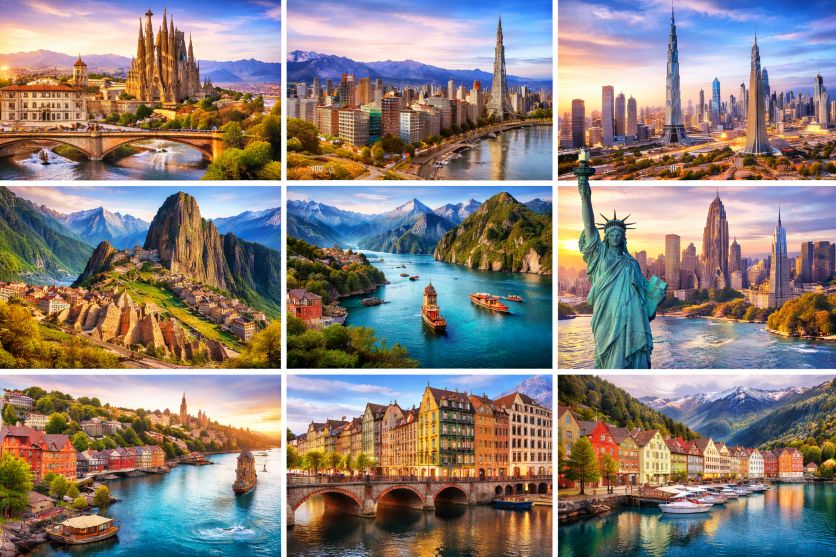
Image generated with Ai
As we move into 2026, the definition of a “beautiful city” is no longer limited to historical monuments or impressive architecture. According to official data from tourism boards and the United Nations World Tourism Organization (UNWTO), destinations with an emphasis on balancing aesthetic appeal with regenerative sustainability are now leading the global tourism scene. This shift signifies a growing commitment from cities around the world to create travel experiences that are not only visually stunning but also environmentally and socially responsible.
Here’s an in-depth look at the top 12 destinations for 2026, analyzed through government data and tourism trends. These cities have embraced sustainable practices that align with growing demands for eco-conscious travel, offering a glimpse into the future of global tourism.

Image generated with Ai
Aesthetic Appeal: Florence is widely regarded as a “living museum,” with its iconic terracotta-tiled Duomo and the Arno River weaving through the city. Known for its unparalleled art history, Florence is home to the highest density of UNESCO World Heritage sites globally.
Sustainability Efforts: In response to overtourism, Florence has pioneered the “Uffizi Diffusi” project, decentralizing its art to villas in the Tuscan countryside. This innovative move aims to ease the crowding in the historic center while still showcasing the city’s cultural treasures.
Advertisement
Tourism Trends: Florence is part of Italy’s record-breaking 185 million national arrivals, with an increasing focus on cultural preservation and sustainable tourism practices.
Aesthetic Appeal: Paris remains a symbol of romance and grandeur, known for its wrought-iron balconies, expansive boulevards, and the shimmering Seine. The city continues to charm visitors with its blend of history and modernity.
Advertisement
Advertisement
Sustainability Efforts: Paris has embraced the “15-minute city” concept, making 100% of streets bike-accessible and reducing its carbon footprint. This urban transformation has drastically reduced smog and improved the local quality of life.
Tourism Trends: After the 2024 Olympic Games, Paris continues to attract 35-40 million annual visitors, with growing focus on sustainable city living.

Image generated with Ai
Aesthetic Appeal: São Paulo’s sprawling concrete jungle is softened by lush vertical gardens and the modernist architecture of the São Paulo Museum of Art (MASP). The city is a blend of cosmopolitan energy and natural beauty.
Sustainability Efforts: The city has implemented “Smart Tourism Security” measures, using AI-powered monitoring systems to ensure the safety and sustainability of tourism in the city’s dense urban environment.
Tourism Trends: São Paulo is Brazil’s primary gateway, attracting millions of visitors, particularly drawn to its culinary scene and cultural landmarks.
Aesthetic Appeal: With its glass skyscrapers reflecting the Pacific Ocean and the towering North Shore Mountains, Vancouver perfectly blends urban sophistication with natural beauty.
Sustainability Efforts: Vancouver is a leader in environmental sustainability, pioneering the “Greenest City Action Plan” with zero-waste initiatives and a carbon-neutral public transit system.
Tourism Trends: Vancouver draws approximately 11 million visitors annually, eager to experience the city’s balance of nature and urban life.

Image generated with Ai
Aesthetic Appeal: Dubai’s futuristic skyline, including the Burj Khalifa and the Museum of the Future, stands as a testament to modern architectural achievement. The city is a global hub for luxury and innovation.
Sustainability Efforts: Dubai is investing heavily in sustainability, particularly through the “Dubai Reef” project, the largest reef restoration effort globally. Despite its high-energy urban environment, Dubai is working to balance its modernity with ecological responsibility.
Tourism Trends: With more than 17 million visitors in 2025, Dubai continues to attract tourists with its luxury, innovation, and cultural experiences.
Aesthetic Appeal: From the iconic Art Deco skyscrapers to the neon-lit streets of Times Square and the green expanse of Central Park, New York City blends architectural grandeur with urban vibrancy.
Sustainability Efforts: New York is implementing the “Climate Budgeting” framework, focusing on flood resiliency and reducing the carbon footprint of its massive hotel industry, alongside green building standards.
Tourism Trends: Projected at 66 million visitors, New York remains one of the world’s top destinations, balancing its cultural and commercial significance with growing sustainable practices.

Image generated with Ai
Aesthetic Appeal: Ha Long Bay’s 1,600 limestone pillars rise dramatically from emerald waters, creating one of the most visually striking landscapes in the world.
Sustainability Efforts: Vietnam has focused on sustainable cruise tourism by implementing high-value, low-impact ticketing. The relocation of floating village residents has minimized the environmental footprint on the bay.
Tourism Trends: Ha Long Bay continues to draw millions of visitors each year, fascinated by its natural beauty and sustainable tourism initiatives.
Aesthetic Appeal: Machu Picchu’s terraced stone ruins perched on a cloud-shrouded mountain ridge offer a unique connection to ancient history and spiritual significance.
Sustainability Efforts: The site has implemented a dynamic ticketing system, limiting daily visitors and carefully managing foot traffic to protect the fragile stonework and preserve the surrounding environment.
Tourism Trends: With daily visitor caps, Machu Picchu remains one of the most revered UNESCO sites in the world, balancing tourism with conservation.

Image generated with Ai
Aesthetic Appeal: Buenos Aires offers a mix of European-style avenues and vibrant districts like La Boca, known for its colorful charm and artistic flair.
Sustainability Efforts: The city has made strides in cultural preservation, focusing on maintaining its tango heritage and traditional architecture while avoiding mass commercialization.
Tourism Trends: Buenos Aires remains a major tourist hub, attracting visitors with its cultural richness, including its world-class steak and tango culture.
Aesthetic Appeal: Patagonia’s electric-blue glaciers and jagged peaks create one of the world’s most pristine and wild landscapes, perfect for adventurous travelers.
Sustainability Efforts: The region is a global leader in regenerative tourism, where visitors engage in reforestation and conservation projects, contributing to the preservation of its delicate ecosystems.
Tourism Trends: Patagonia continues to see growing interest, particularly among slow travel enthusiasts, with approximately 1.5 million visitors annually.

Image generated with Ai
Aesthetic Appeal: Amsterdam’s concentric canals and 17th-century gabled houses offer one of the most picturesque cityscapes in Europe, blending history with modernity.
Sustainability Efforts: Amsterdam is tackling overtourism with a “Stay Away” campaign and has introduced a tourism tax to fund local infrastructure and sustainability projects.
Tourism Trends: With capped arrivals, Amsterdam continues to charm millions of visitors while working to protect its iconic canals and cultural heritage.
Aesthetic Appeal: Oslo’s modern architecture contrasts beautifully with Bergen’s medieval Hanseatic wharf, creating a unique blend of old-world charm and contemporary elegance.
Sustainability Efforts: Norway has introduced electric ferries and carbon-offset hiking initiatives to minimize the environmental impact of tourism in its pristine natural landscapes.
Tourism Trends: As Norway introduces a 3% tourist tax, the country focuses on ensuring that tourism benefits local communities without overburdening the environment.
As the world enters 2026, the most celebrated cities are those that successfully blend aesthetic appeal with sustainability. Florence, Paris, São Paulo, and others are leading the way by offering travelers not just visual splendor, but a promise of sustainable growth that benefits both local communities and the environment. Whether through innovative initiatives like the “Uffizi Diffusi” or “15-minute city” concepts, these cities are creating a new paradigm for tourism that prioritizes long-term ecological and social responsibility.
Advertisement














Thursday, March 5, 2026

Wednesday, March 4, 2026

Thursday, March 5, 2026

Thursday, March 5, 2026

Thursday, March 5, 2026

Wednesday, March 4, 2026