Published on February 25, 2026
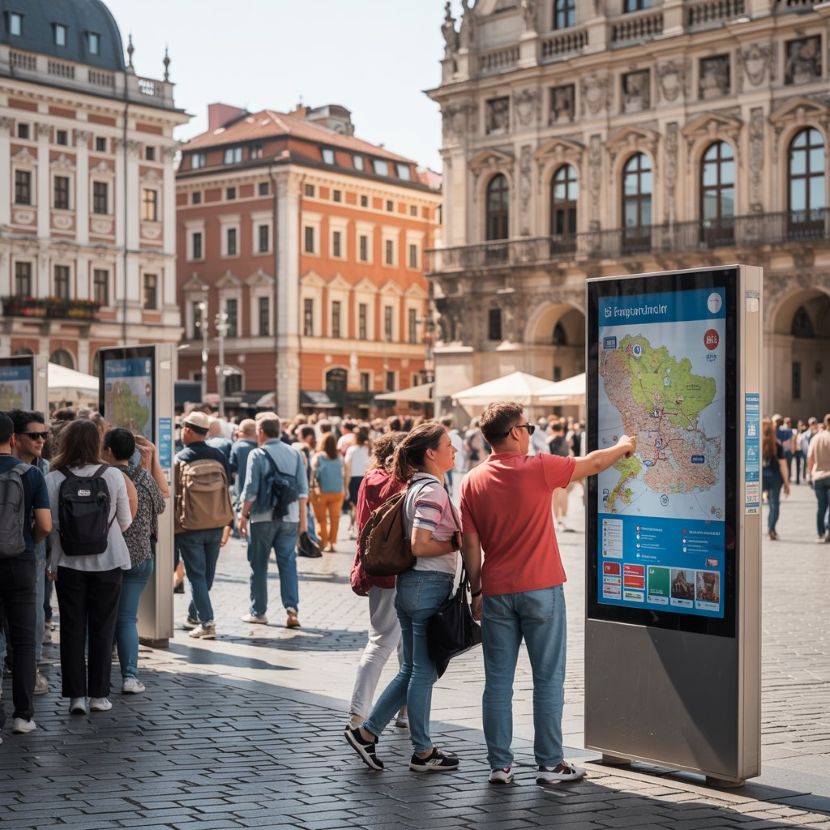
Image generated with Ai
The European Union’s tourism landscape is about to undergo a major transformation. As part of its ongoing efforts to enhance economic competitiveness, the EU has introduced the “One Europe, One Market” initiative, designed to streamline regulations, remove barriers, and boost tourism across the continent. This comprehensive plan promises to make it easier for travellers, businesses, and tourists to navigate the EU’s vast and diverse landscapes, facilitating smoother travel experiences within one of the world’s most visited regions.
The EU has long been a hub for global tourism, with countries like Spain, France, Italy, and Germany consistently ranking among the top tourist destinations worldwide. However, behind the scenes, cross‑border regulations and fragmented policies often created challenges for travellers and tourism businesses. This new strategy aims to simplify these rules, ensuring that both European residents and international visitors can travel more freely, enjoy consistent services, and have better access to tourism-related businesses.
Simplifying Travel and Business Operations
One of the central goals of the “One Europe, One Market” initiative is to eliminate bureaucratic hurdles that hinder the movement of goods and services, including tourism-related businesses. By fostering a more integrated and consistent regulatory environment, the EU plans to reduce the compliance costs faced by businesses in the tourism sector. This, in turn, is expected to lower prices and improve the overall quality of services offered to visitors, making travel across the continent more affordable and accessible.
As part of this strategy, the European Commission intends to harmonise tourism-related laws, particularly those governing transportation, hospitality, and accommodation services. This reform will eliminate discrepancies in standards, allowing businesses to operate more efficiently and consistently across member states. For tourists, it means fewer obstacles and more predictable experiences when booking services, whether for flights, hotels, or excursions.
Advertisement
Advertisement
Supporting Digital and Sustainable Tourism
The EU is also focusing on sustainability and digitalisation to improve the tourism experience. The “One Europe, One Market” strategy includes investments in digital technologies to make booking systems, transportation networks, and accommodation management more efficient. With an increasing number of tourists relying on digital platforms to plan and book their trips, the EU’s focus on enhancing digital infrastructure will create more streamlined and user‑friendly services for travellers.
Additionally, the strategy supports the EU’s broader sustainability goals, such as reducing the environmental impact of tourism. Through improved public transportation systems, enhanced energy efficiency in tourist facilities, and incentives for green tourism initiatives, the EU is paving the way for a more eco-friendly travel sector. This will appeal to the growing number of environmentally conscious travellers who are increasingly prioritising sustainable tourism options.
Advertisement
Advertisement
Strengthening the EU as a Global Competitor
The introduction of these reforms comes as the EU faces stiff competition from other global tourism giants, particularly the United States and China. The “One Europe, One Market” initiative is designed to level the playing field, ensuring that Europe remains an attractive destination for international tourists while boosting its own economic growth. By simplifying regulations and improving accessibility, the EU aims to create a seamless experience for both business and leisure travellers alike.
The strategy also addresses barriers within the EU, making it easier for European citizens to travel and do business within the Union. This will strengthen intra‑EU tourism, making it more convenient for people to visit neighbouring countries. The result will be more vibrant tourism markets, with improved services, better connectivity, and enhanced regional collaboration among member states.
Advertisement
Advertisement
Tourism Growth Across Europe
The expected impact of these reforms is already becoming clear. Spain, for example, saw more than 300 million nights spent in accommodation establishments in 2023, reaffirming its position as a leader in European tourism. Other popular destinations, including France and Italy, are also seeing significant growth in international arrivals. By removing obstacles and streamlining cross‑border operations, the EU’s initiative will further enhance the tourism experience in these countries, encouraging even more visitors to explore the rich cultural, historical, and natural attractions Europe has to offer.
In addition, the introduction of simplified visa procedures, such as the European Travel Information and Authorisation System (ETIAS), will make it easier for non‑EU citizens to visit Europe. With more streamlined entry processes, visitors from around the world will be able to enjoy a smoother experience when travelling to European destinations.
Looking Ahead: A More Integrated and Accessible European Tourism Experience
As the “One Europe, One Market” strategy unfolds over the next few years, the benefits for tourism will become more pronounced. With simpler regulations, improved digital infrastructure, and a focus on sustainability, Europe is set to become even more attractive to both visitors and tourism businesses. The seamless integration of the EU’s single market promises to create a more cohesive, accessible, and competitive tourism sector, one that can keep pace with global trends and position Europe as a top destination for decades to come.
For travellers, this means fewer barriers, more consistent services, and an easier time exploring the best that Europe has to offer. As the EU takes significant strides to boost tourism, it is clear that the future of travel within Europe is looking brighter and more interconnected than ever.
Advertisement
Tags: EU tourism growth, EU tourism reforms, European single market, One Europe One Market, tourism industry competitiveness















Wednesday, February 25, 2026

Wednesday, February 25, 2026

Wednesday, February 25, 2026

Wednesday, February 25, 2026

Wednesday, February 25, 2026

Wednesday, February 25, 2026

Wednesday, February 25, 2026

Wednesday, February 25, 2026