Published on March 1, 2026

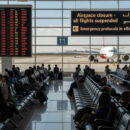
Image generated with Ai
Thousands Of Travellers Abandoned In Dubai International Airport as UAE Shuts Down Airspace, Emirates, Saudia, FlyDubai, Jazeera Airways, Royal Jordanian, and More Freeze Air Travel by 1,117 Cancellations and 117 Delays Amid US-Israel Strike on Iran due to the sudden UAE airspace shutdown prompted by escalating geopolitical tensions following the US-Israel military strikes on Iran. This unprecedented crisis has left thousands of passengers stranded at Dubai International and Abu Dhabi International Airports, as airlines scramble to rebook flights and adjust schedules amid the airspace restrictions. With over 1,100 cancellations and 117 delays reported, travellers face hours, if not days, of uncertainty as the situation continues to unfold.
Dubai International Airport, one of the busiest and most efficient airports in the world, is witnessing an unprecedented crisis today. Thousands of travellers have been left stranded, with operations severely impacted by a devastating mix of factors, most notably the US-Israel military strikes on Iran. These strikes, coupled with the UAE’s sudden airspace shutdown, have caused chaos in the skies, with over 1,117 cancellations and 117 delays across major airlines, including Emirates, FlyDubai, Saudia, Jazeera Airways, and Royal Jordanian.
The airspace shutdown, coupled with strained geopolitical relations, has left passengers scrambling for alternative travel options while the entire region grapples with aviation delays. If you’re planning to travel through Dubai or Abu Dhabi today, brace yourself for potential disruptions.
The UAE’s decision to close its airspace has led to massive operational disruptions, with nearly all airlines serving Dubai International Airport and Abu Dhabi International Airport being heavily impacted. In addition to the geopolitical crisis triggered by the US-Israel strike, the airspace restrictions have forced numerous flights to be cancelled or delayed. This has left travellers stranded at some of the most prominent airports in the world, creating significant congestion and a great deal of uncertainty for thousands of passengers.
Advertisement
Advertisement
At the heart of this aviation mayhem are the major carriers like Emirates, FlyDubai, and Saudia, along with a series of international airlines whose operations are crucial for connecting Dubai to cities across the globe.
Total Cancellations and Delays at Dubai International Airport
Advertisement
Advertisement
| Airline | Cancellations | % of Total | Delays | % of Total |
|---|---|---|---|---|
| Emirates | 476 | 97% | 53 | 10% |
| FlyDubai | 326 | 92% | 26 | 7% |
| Saudia | 22 | 100% | 0 | 0% |
| IndiGo | 28 | 90% | 2 | 6% |
| SpiceJet | 21 | 100% | 1 | 4% |
| Air India Express | 19 | 73% | 4 | 15% |
| Air India | 14 | 63% | 2 | 9% |
| Flynas | 12 | 52% | 2 | 8% |
| Turkish Airlines | 10 | 100% | 1 | 10% |
| Gulf Air | 9 | 90% | 0 | 0% |
| Airblue | 8 | 66% | 0 | 0% |
| Air Astana | 7 | 87% | 0 | 0% |
| Egypt Air | 7 | 100% | 1 | 14% |
| Qatar Airways | 6 | 54% | 1 | 9% |
| Pakistan International Airlines | 6 | 100% | 1 | 16% |
| British Airways | 5 | 83% | 0 | 0% |
| Kuwait Airways Corporation | 5 | 62% | 1 | 12% |
| Aeroflot | 5 | 83% | 0 | 0% |
| Ethiopian Airlines | 5 | 83% | 0 | 0% |
| Mahan Air | 5 | 100% | 0 | 0% |
| China Eastern | 4 | 100% | 1 | 25% |
| MEA | 4 | 100% | 0 | 0% |
| Jazeera Airways | 4 | 100% | 0 | 0% |
| Pegasus Airlines | 4 | 100% | 0 | 0% |
| SunExpress | 4 | 100% | 0 | 0% |
| Iraqi Airways | 4 | 80% | 0 | 0% |
| Air France | 4 | 100% | 1 | 25% |
| Air Sial | 4 | 66% | 2 | 33% |
| Oman Air | 4 | 100% | 0 | 0% |
| Lufthansa | 4 | 100% | 1 | 25% |
| Royal Jordanian | 3 | 60% | 2 | 40% |
| Air Baltic | 3 | 100% | 1 | 33% |
| Air Tanzania | 2 | 100% | 0 | 0% |
| Ariana Afghan | 2 | 100% | 0 | 0% |
| Azerbaijan Airlines | 2 | 100% | 0 | 0% |
Key Routes Affected by Cancellations:
1. Geopolitical Tensions:
The primary trigger for this massive disruption in the skies is the US-Israel strike on Iran, which has significantly escalated geopolitical tensions in the Middle East. With military action now underway, several nations, including the UAE, have imposed security measures that resulted in the temporary closure of their airspace. In addition, both regional and international carriers have had to halt operations or divert flights as a precautionary measure.
2. UAE Airspace Shutdown:
On the heels of the escalating tensions, the UAE authorities made the difficult decision to shut down its airspace. This was done to safeguard flights and air traffic control operations from any potential risks posed by the military strikes and the broader geopolitical fallout. While such decisions are necessary for national security, they severely disrupt the normal flow of air travel, particularly in and out of major hubs like Dubai International and Abu Dhabi International airports.
3. Aviation Infrastructure Strain:
As airlines scrambled to make changes to their flight plans, the stress on aviation infrastructure skyrocketed. Over 1,100 cancellations and 117 delays accumulated in just a few hours, leading to long queues, chaotic scenes at terminals, and mounting frustration for passengers.
Both Dubai International Airport (DXB) and Abu Dhabi International Airport (AUH), two of the world’s busiest aviation hubs, were heavily impacted. Dubai International, in particular, is known for its high number of international connections. The sudden airspace restrictions left passengers stranded in the terminals, with no clear timeline for when normal operations would resume.
As of now, both airports remain heavily congested, with flight schedules thrown into complete disarray. Authorities are working to manage the situation, but the backlog of passengers is expected to persist for some time, especially as the airspace closure continues.
If you’re among the thousands of travellers affected by this disruption, here are some tips to help you navigate through this crisis:
The UAE’s airspace shutdown, coupled with the ongoing US-Israel strike on Iran, has led to one of the most significant travel disruptions Dubai International Airport has ever experienced. With over 1,100 flight cancellations and more than 117 delays, airlines and passengers alike are feeling the pressure. While efforts to resolve the situation continue, it’s clear that the air travel landscape in the UAE is going to remain unstable for the foreseeable future.
Thousands of travellers abandoned in Dubai International Airport as the UAE shuts down its airspace amid escalating tensions from the US-Israel strike on Iran, leading to 1,117 flight cancellations and 117 delays by major airlines like Emirates, FlyDubai, and Saudia. The sudden airspace restrictions have caused massive disruption at both Dubai and Abu Dhabi airports, stranding passengers across the region.
For those planning to travel through Dubai or Abu Dhabi, it’s essential to stay updated, be patient, and, most importantly, be prepared for the unexpected. The political and security issues causing these disruptions are beyond the control of airlines and passengers, but with the right strategies, you can minimize the inconvenience and ensure a safer, smoother journey when the skies clear.
Advertisement
Tags: dubai international airport, Emirates cancellations, Travel News, UAE airspace shutdown, US-Israel Strike on Iran

















Sunday, March 1, 2026

Sunday, March 1, 2026

Sunday, March 1, 2026

Sunday, March 1, 2026