Published on March 3, 2026

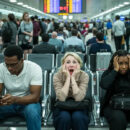
Image generated with Ai
Thousands of travellers were left stranded across Europe as major disruptions hit key airports in the United Kingdom, Spain, the Netherlands, and Germany, with 781 flights delayed and 180 cancelled on a single day. The chaos grounded top airlines like British Airways, Emirates, SAS, and KLM, causing widespread knock‑on effects to major destinations such as Dubai, Munich, Edinburgh, Nice, and Helsinki. The disruptions were caused by a combination of operational setbacks, including crew shortages, air traffic congestion, and adverse weather conditions, leaving thousands of passengers scrambling for alternative flights and rebooking options.
Europe’s skies were thrown into chaos yesterday, as cascading flight delays and cancellations rocked major hubs across the United Kingdom, Spain, the Netherlands and Germany. A staggering 781 flights were delayed and 180 were cancelled across five key European international airports in a single 24‑hour period. This disruption left tens of thousands of passengers stranded, with busy connections to key global gateways like Dubai International (DXB), Munich (MUC), Edinburgh (EDI), Nice (NCE) and Helsinki (HEL) severely impacted.
This unprecedented turbulence in Europe’s flight operations saw major carriers including British Airways, Emirates, SAS and KLM bearing the brunt of operational setbacks. Today’s in‑depth report provides a comprehensive breakdown of the data, routes affected, airports most impacted, airline performance, and guidance for passengers caught in the disruption.
At London Heathrow Airport (LHR), Europe’s busiest international airport, the situation was unusually severe. A total of 106 flights were delayed and 70 flights were cancelled on the same day — figures not typically seen outside of major strikes or severe weather events.
Advertisement
Advertisement
Heathrow’s disruption spanned many international routes and airlines. Detailed airline performance shows:
Other carriers including China Southern, Japan Airlines, Singapore Airlines, Saudia, TAP Air Portugal and Air Canada all reported flight delays with no cancellations.
Advertisement
Advertisement
Heathrow experienced outsized disruption on key long‑haul gateways, particularly:
Other affected destinations included Chicago O’Hare (ORD), Los Angeles (LAX), Washington Dulles (IAD), Nancy (NCE), Singapore (SIN), Kuala Lumpur (KUL), and Stockholm (ARN), among many others — painting a picture of widespread operational impacts centered on Heathrow’s dense global network.
Advertisement
Advertisement
At Madrid‑Barajas (MAD) — Spain’s primary international gateway — airport officials recorded 158 total delays and 17 cancellations. The bulk of the disruption was tied to airline scheduling challenges, particularly among regional carriers and European short‑haul sectors.
Airline performance included:
Spain’s busiest airport saw cancellations on:
Delays populated European and transatlantic sectors including Munich (MUC), Barcelona (BCN), Malaga (AGP), Lisbon (LIS), São Paulo (GRU) and Miami (MIA).
At the Netherlands’ flagship hub Amsterdam Schiphol (AMS), disruption was widespread but slightly more contained. Schiphol reported 125 flight delays and 37 cancellations.
Key movements affected included:
Other carriers like Lufthansa, China Southern and ebay flights on Transavia and easyJet contributed to the delays.
Significant cancellations came from:
Delays also appeared in key European city routes including London Heathrow, Zurich (ZRH), Barcelona (BCN) and Madrid (MAD).
Frankfurt International Airport (FRA) — Germany’s largest airport — recorded 129 delayed flights and 20 cancellations. Lufthansa Group carriers formed a large share of affected movements.
Among top airline results:
Cancellations focused on:
Delays marred flights to Chicago O’Hare, Washington Dulles (IAD), Denver (DEN), Nice (NCE) and Rome (FCO) among others.
At Barcelona International Airport (BCN), Spain’s second‑largest gateway, operational chaos included 130 delays and 21 cancellations, disproportionately affecting Middle Eastern carriers.
Major outcomes:
Barcelona cancellations were seen on routes including:
Delayed operations affected Munich, Manchester, Dublin, Bilbao, Malaga, Lisbon and Berlin connections.
Across the board, the following carriers faced the highest operational disruptions:
This combined impact from Gulf carriers to major European networks underlines the interconnected nature of airline operations and how disruptions ripple across global schedules.
The simultaneous spike in delays and cancellations across five major European hubs suggests systemic operational pressures. While authorities have yet to pinpoint a single cause, contributing factors likely include:
Experts note that even small delays early in the day can magnify into mass cancellations later, especially at hubs with dense connecting flights.
Passengers impacted by flight disruption have several options:
Airlines provide real‑time updates via apps and text alerts. Early checking reduces last‑minute surprises.
Rebooking alternatives can be arranged sooner by contacting an airline’s customer service desk or hotline.
In Europe, EU Regulation EC 261/2004 entitles passengers to compensation or refunds for cancellations and long delays, including food vouchers and hotel stays in certain circumstances.
Airports typically have rebooking desks, lounges and passenger assistance teams to help stranded travellers.
With widespread disruption, travellers should expect the possibility of overnight stays and arrange accommodations early.
Yesterday’s data paints a stark picture of Europe’s aviation network under stress. With 781 delays and 180 cancellations, airports from London to Barcelona saw routes to Dubai, Munich, Edinburgh, Nice and Helsinki disrupted. From major carriers like Emirates and British Airways to budget networks like Ryanair, the impact was widespread and indiscriminate.
Thousands of travellers were stranded in Europe as 781 flights were delayed and 180 cancelled across major hubs in the UK, Spain, Netherlands, and Germany, grounding airlines like British Airways, Emirates, SAS, and KLM due to crew shortages, air traffic congestion, and weather disruptions.
As passengers and airlines alike navigate recovery, the message is clear: Europe’s interconnected flight system can propagate disruption rapidly, making contingency planning essential for travellers and carriers alike.
Advertisement

















Tuesday, March 3, 2026

Tuesday, March 3, 2026

Tuesday, March 3, 2026

Tuesday, March 3, 2026
Tuesday, March 3, 2026

Tuesday, March 3, 2026

Tuesday, March 3, 2026

Tuesday, March 3, 2026