Published on March 1, 2026

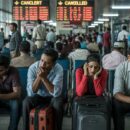
Image generated with Ai
A large number of travellers found themselves unable to continue their journeys at Kangra Airport in Himachal Pradesh due to abrupt cancellations of overseas flights amid escalating conflict in West Asia. The cancellations followed intensified tensions between Israel and Iran, which have led to widespread closures and restrictions of airspace over parts of the Middle East, significantly affecting international airline operations. Many visitors in Dharamshala and surrounding areas were left waiting at the airport uncertain about their travel plans.
Kangra Airport, officially known as Kangra‑Gaggal Airport, is a key domestic aviation gateway in Himachal Pradesh operated by the Airports Authority of India and the Indian Air Force. It primarily handles regional flights but also serves as a connection point for travellers heading on international journeys via major Indian hubs.
The sudden travel disruption stems from ongoing geopolitical conflict in the Middle East. Strategic military strikes involving Israel and the United States against Iranian targets triggered sharp retaliation and prompted a slew of airspace closures and safety warnings over Iran, Iraq and neighbouring regions. These actions have jeopardised normal flight paths for international airlines and resulted in both preventative suspensions and rerouting of services.
As airlines refrained from flying through potentially dangerous airspace, scheduled departures from Kangra and other Indian airports were cancelled or indefinitely postponed. This included flights for onward travel to destinations affected by the airspace restrictions. The knock‑on effect has left many foreign tourists and domestic travellers in limbo, leading to crowded terminals and increasing logistical stress on airport facilities.
Advertisement
Tourists at Kangra Airport expressed frustration and worry over the sudden halt in travel arrangements. One Israeli visitor recounted her disrupted itinerary, saying her return flight had been called off without a clear alternative route. She explained her intention to return home had been thwarted by the cancellations, leaving her to seek new travel options at short notice.
Other travellers, including Non‑Resident Indians (NRIs) and domestic visitors, also voiced concern. They noted that flights they had planned for the coming week were now uncertain, leaving holiday plans and commitments in disarray. The larger impact on tourists’ schedules underscores how interconnected global travel has become—where geopolitical events thousands of miles away can abruptly affect journeys in India.
Advertisement
Advertisement
Dharamshala, the hill station served by Kangra Airport, is a popular destination for both domestic and international visitors. In 2025, the region recorded over 30,000 foreign tourists, reflecting its appeal as a travel spot after the pandemic.
The cancellations caused by Middle Eastern tensions have discouraged travellers who had booked accommodation, tours, and return flights. Hospitality providers and local transport services have had to manage last‑minute changes, including extended stays and altered itineraries for guests. The uncertainty has weighed heavily on the tourism ecosystem, which depends significantly on smooth travel connections.
Indian aviation authorities have urged airlines to adhere strictly to official advisories and Notices to Airmen (NOTAMs) issued by civil aviation regulators. These notifications detail restricted airspace and advise carriers to avoid potentially risky sectors until conditions improve. India’s Ministry of Civil Aviation and the Directorate General of Civil Aviation (DGCA) have maintained close coordination with domestic and international airlines, stressing safety as the top priority when planning flight operations under challenging circumstances.
Airlines operating flights to and via the Middle East have been monitoring developments continuously and adjusting flight plans as needed based on international safety guidance. With the situation evolving daily, coordination among airline operators, airports and regulatory bodies remains critical to managing passenger disruption and ensuring safety.
The spike in hostilities between Israel and Iran has prompted many nations to declare parts of the West Asian airspace as high‑risk zones. This has led to a wave of cancellations and detours across key travel corridors linking Asia, Europe and Africa. Major airlines, including carriers from India and abroad, have suspended flights or shifted routes to avoid the conflict‑affected areas.
These disruptions have created significant backlogs in international travel, with thousands of passengers stranded at airports around India and in the Gulf region. Navies, foreign ministries and civil aviation authorities worldwide are closely monitoring the conflict’s effect on air travel logistics.
Passengers facing cancellations are encouraged to stay in contact with their airlines to receive updated information about rescheduled flights or refunds. Airports and airline help desks have been set up to assist stranded travellers with re‑booking and accommodation where required. As the conflict continues to unfold, travellers are advised to remain flexible with travel dates and maintain direct communication with airline customer service teams for timely updates.
The unforeseen interruption at Kangra Airport highlights how international crises can ripple into regional travel hubs. For tourism in Himachal Pradesh, this episode serves as a reminder of vulnerability to external geopolitical events. Authorities may need to strengthen contingency plans to support tourists during similar future disruptions.
As airspace restrictions and flight cancellations continue to evolve, the tourism sector and aviation stakeholders will need to adapt swiftly to mitigate long‑term impacts on travellers and local economies alike.
Advertisement
Tags: aviation safety, flight cancellations, Himachal tourism, international travel disruption, Israel Iran tensions


















Sunday, March 1, 2026

Sunday, March 1, 2026
Sunday, March 1, 2026

Sunday, March 1, 2026
Sunday, March 1, 2026

Sunday, March 1, 2026